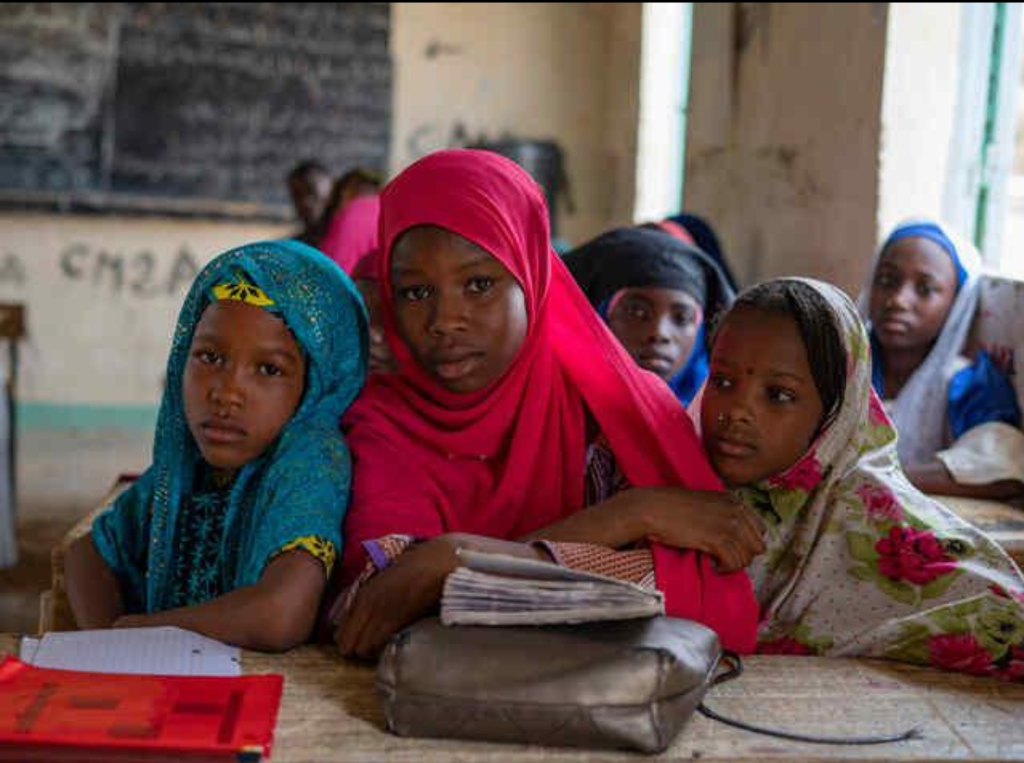
In a decisive move, schools across Diffa have reopened their doors to all communities, ending contentious measures that raised serious questions about fundamental rights in Niger. This shift follows administrative actions targeting specific groups, highlighting the delicate balance between security imperatives and children’s right to education.
DIFFA — The inclusive reopening of schools in Diffa marks a critical development in restoring access to education for all children, regardless of their origin or community affiliation. While this decision signals progress, it also reopens a broader debate: to what extent can security concerns justify administrative restrictions that disproportionately impact civilian populations?
What led to the closure and reversal of school access
Administrative measures reported in early October 2026 affected the Mohamid community in Diffa and Zinder, with reports of school closures, teacher reassignments, and restricted access to critical infrastructure such as health facilities and civil registry services. The decision to reverse these restrictions reflects growing concerns over the collateral impact on children’s education and community cohesion.
The initial closures were framed as essential for security, particularly in a region grappling with insurgencies linked to Boko Haram. However, the measures extended beyond isolated high-risk zones, raising questions about their proportionality and fairness. The Mohamid community became a focal point, with authorities citing concerns over the exclusive use of public infrastructure—though critics argue such blanket restrictions unfairly penalize entire groups.
Why unrestricted school access matters for children
Education is a cornerstone of individual and societal development, and its denial—whether temporary or prolonged—can have lasting consequences. For children in Diffa, interrupted schooling means delayed learning, lost opportunities, and increased vulnerability to exploitation or recruitment by armed groups. The reopening of schools is not just a logistical shift; it is a restoration of a fundamental right.
International conventions, including the Convention on the Rights of the Child, underscore the obligation of states to protect children from discrimination and ensure their right to education. The Nigerien government’s about-face on school access underscores the need to align security policies with these legal and ethical commitments.
Balancing security and rights: A challenge for Niger
The region of Diffa has faced relentless security challenges, from attacks by armed groups to mass displacements. In response, authorities have often prioritized hardline measures to mitigate risks. Yet, collective punishments undermine public trust and risk deepening societal fractures.
Experts argue that targeted, rights-respecting security strategies are far more effective than blanket restrictions. For instance, localized security patrols, community engagement, and adaptive school scheduling could address threats without stripping children of their right to learn. The challenge now is to implement such measures consistently.
Concrete steps for sustainable reopening
- Ensure teacher availability: Reassigned educators must be reinstated, and new hires prioritized to compensate for lost staff.
- Maintain infrastructure: Schools must be repaired and equipped to handle increased enrollment without overburdening resources.
- Protect student safety: Enhanced security protocols should target actual threats, not entire communities.
- Clarify administrative policies: Clear, public guidelines must prevent future restrictions based on community affiliation.
Looking ahead: Education as a pillar of stability
The inclusive reopening of schools in Diffa is more than a policy correction—it is a test of Niger’s commitment to equality and justice. By guaranteeing all children access to education, the government can rebuild trust, reduce inequalities, and foster long-term stability.
Yet, this progress hinges on follow-through. Authorities must not only open doors but also ensure that schools remain open, safe, and accessible. For the children of Diffa, every day in a classroom represents a step toward a brighter, more secure future. The challenge now is to turn this moment into lasting change.