Friday’s holy terror: when prayer turned into captivity
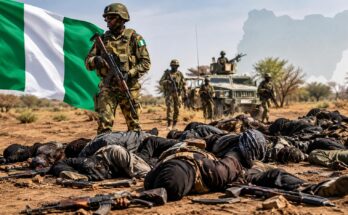
On August 21, 2026, a peaceful weekly gathering of believers outside mosques in Niger’s southern regions turned into a nightmare of systematic abduction. As Friday prayers concluded just after 1 p.m. local time, heavily armed gunmen sealed off multiple prayer sites, trapping nearly 500 worshippers—men, women and children—in a coordinated ambush. Under duress, the hostages were marched into dense forest cover, their fate now shrouded in official silence and public dread.
The precision of the assault signals deep tactical planning and local reconnaissance. No faction has yet claimed responsibility, nor have any ransom demands surfaced in the days following the kidnapping. For families still scanning the treeline for signs of life, each passing hour magnifies the agony of the unknown.
Broken promises: the reality behind Niger’s security rhetoric
The CNSP junta, led by General Abdourahamane Tiani, seized power in 2023 under the banner of restoring state authority and curbing terrorism. Three years later, the pledge lies in tatters. The expulsion of international partners and anti-Western rhetoric have yielded neither security upgrades nor operational capacity for the national armed forces. Rural communities, once reliant on joint military-civilian patrols, now face insurgent factions with growing impunity.
Public announcements of tactical victories ring hollow against a backdrop of dwindling government presence in the countryside. Villages report intermittent contact with security posts, while jihadist groups continue to expand their zones of influence, exploiting the void created by the junta’s withdrawal from allied coalitions.
State retreat creates a lawless frontier
The abduction of 500 worshippers is not an isolated atrocity—it is the latest symptom of a broader state failure across Niger’s peripheries. In districts where civilian administration and military outposts have thinned, armed gangs and extremist cells have filled the security gap, imposing illegal taxes, enforcing brutal justice, and displacing tens of thousands of residents.
Journalists and monitors describe towns where telephone networks collapse at night, where marketplaces operate under armed guard, and where local leaders plead for assistance that never arrives. The psychological toll is as severe as the physical danger: families hide their children indoors, farmers abandon fertile land, and the social fabric frays under constant fear.
Niamey’s deafening silence deepens the crisis
In the hours and days after the kidnapping, the CNSP issued no public statement outlining rescue plans, lists of detainees, or conditions for dialogue. Official channels that once condemned foreign interference now refrain from any substantive comment. The absence of credible leadership during a national emergency has eroded public trust to historic lows.
Critics argue that the regime’s preoccupation with political consolidation in the capital has come at the expense of its constitutional duty to protect citizens. Religious sites that once enjoyed visible military escorts now stand as unguarded targets. The growing disconnect between presidential speeches and rural realities has sparked rare protests in towns like Zinder and Maradi, where residents demand accountability rather than slogans.
A nation at a crossroads: security versus survival
The August 21 abduction marks a dangerous inflection point. By striking at a sacred weekly ritual, armed groups have demonstrated they can penetrate deep into civilian life without triggering immediate state countermeasures. Families of the missing now face a grim choice: continue daily vigils with diminishing hope, or risk organizing self-protection groups that may provoke further violence.
The junta’s insistence on sovereignty has left it without allies or operational tools to counter the insurgency. As the world watches, Niger’s citizens are left to wonder how many more worshippers, farmers, and schoolchildren must disappear before the gap between rhetoric and reality is finally bridged.