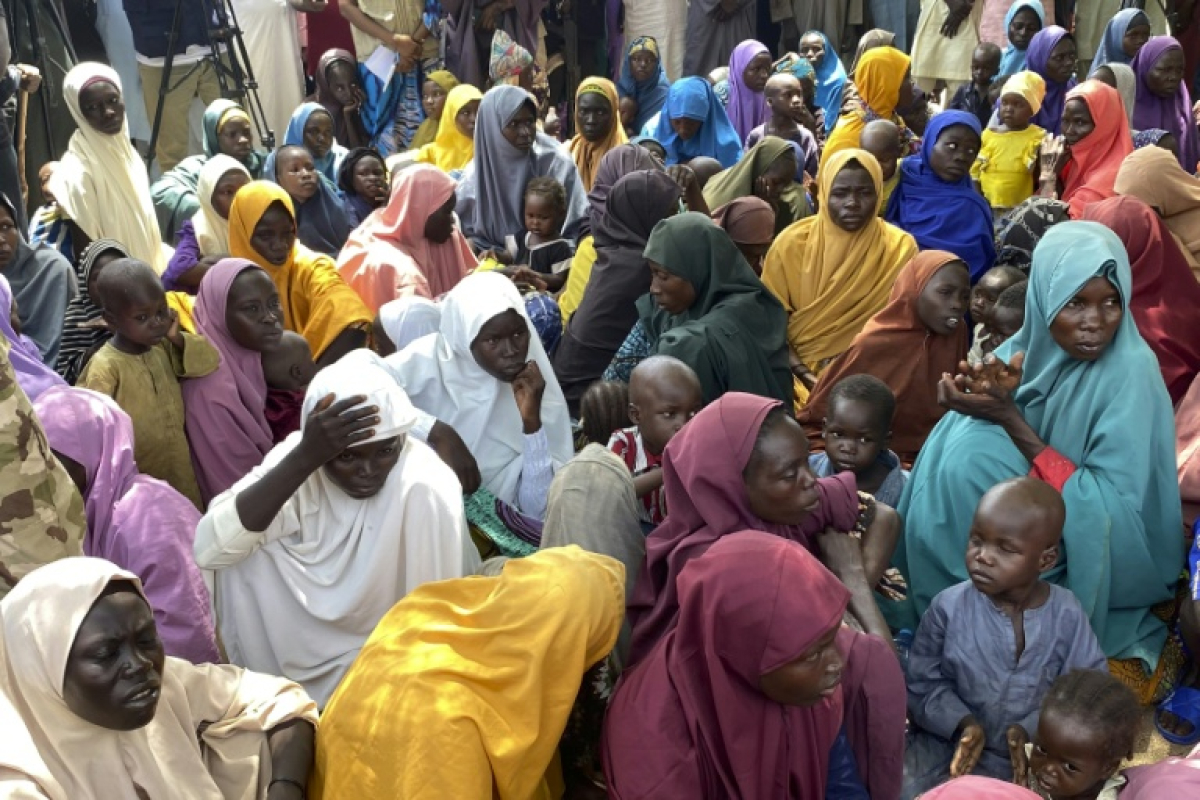
More than 400 women and children, previously abducted by the jihadist group Boko Haram, were handed over to local authorities in the Nigerian state of Borno on Monday. The rescued individuals had been seized earlier this year in the Gwoza region, a known stronghold of the insurgent movement.
The Nigerian military confirmed the release of approximately 360 people over the weekend, emphasizing that the operation was conducted through intelligence-based military action rather than direct negotiations with the extremists. Governor Babagana Umara Zulum of Borno State later disclosed that an additional 82 individuals had been freed weeks prior, bringing the total number of rescued hostages to around 434.
Mass abductions in Borno: a persistent threat
The victims were taken from Ngoshe, a village situated fewer than 10 kilometers from the Cameroonian border, nestled in the rugged terrain of the Gwoza hills. This area has long been a focal point for Boko Haram attacks, with communities frequently targeted in mass abductions, often involving ransom demands.
Since the insurgency began in 2009, the conflict perpetrated by Boko Haram and its splinter faction, the Islamic State’s West Africa Province (ISWAP), has claimed tens of thousands of lives and displaced millions across Nigeria’s northeast. The crisis remains one of the most severe humanitarian emergencies in West Africa.
Emotional reunions in displacement camps
In Pulka’s displacement camp, where the freed captives were reunited with authorities, one of the rescued women, 43-year-old Hassana Buba, expressed profound relief. “We are overwhelmed with gratitude to Allah for this miracle,” she shared. “This is a moment of immense joy, and we will never forget the day our freedom was restored.”
Ransom controversies and security challenges
While Nigerian officials deny paying ransoms to secure releases, reports suggest such transactions occur regularly, involving not only extremist groups but also criminal gangs and separatist factions. Between July 2024 and June 2025 alone, an estimated $1.66 million was reportedly paid to armed groups in Nigeria, according to security intelligence firm SBM Intelligence.
The military’s recent operation underscores the ongoing battle against insurgency in the region, where communities continue to suffer despite efforts to restore stability.