A sudden crude oil eruption, environmental alarms, disputes over foreign expert intervention, and a 45-day ultimatum to Chinese partners. In Niger, the Goumeri W8 incident has escalated far beyond an industrial mishap—it has laid bare the fractures in a high-stakes oil partnership just as Niamey seeks greater control over its natural resources.
An industrial emergency with mounting questions
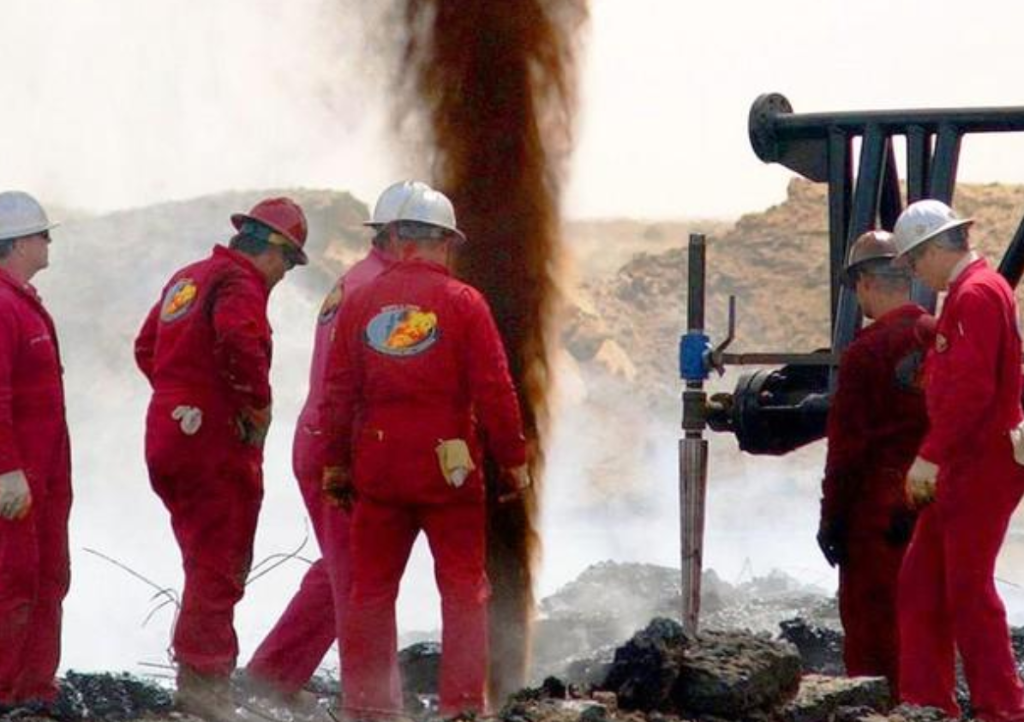
In the Agadem basin’s Goumeri W8 well, operated by CNPC Niger Petroleum, a September 25 eruption of crude oil and gas triggered a crisis with effects rippling far wider than the immediate site. The incident damaged the platform and raised urgent concerns about nearby installations, including Goumeri W3 and W4.
By October 12, Niger’s Ministry of Petroleum acknowledged the incident as “exceptionally severe,” with two workers hospitalized during the initial response. While officials claimed partial containment, full control of the eruption remained elusive. In an industry where precision is non-negotiable, every decision—from coordination to risk assessment—carries outsized weight.
Disagreements soon surfaced over operational leadership. According to a source close to the case, disputes arose when Nigerien authorities requested assistance from Algerian technicians while CNPC teams were already working to contain the leak. The arrival of Sonatrach experts—Algeria’s state-owned oil giant—reportedly sparked tensions over command structures and the role of the Chinese operator. However, without independent operational documents or corroborated accounts, it remains unverified whether Algeria’s involvement conflicted with CNPC’s procedures or worsened the situation.
One critical question persists: in a crisis of this scale, who holds decision-making authority, how are technical choices validated, and how do multiple stakeholders coordinate? The answers will define whether the response prioritizes safety over political or commercial interests.
Algeria’s role: technical aid or geopolitical move?
Niger’s decision to enlist Algerian expertise reflects a strategic choice: leveraging regional proficiency in hydrocarbon emergencies. Officially framed as a technical support measure, the deployment of Sonatrach specialists aligns with standard industry practice when facing complex failures.
Yet the context adds layers of complexity. Prior tensions had allegedly surfaced over operational parameters at the SORAZ refinery, where adjustments to hydrocarbon flow raised technical concerns. While these claims remain unconfirmed, they underscore the need for clarity in multi-party interventions.
On a site operated by CNPC, the integration of Algerian-mandated experts demands a transparent chain of command, defined responsibilities, and adherence to safety protocols. Niger has every right to seek the expertise it deems necessary—but urgency cannot come at the expense of coherence. Protocols must ensure that technical decisions are data-driven, not politicking-driven.
Environmental containment: a superficial fix?
Beyond damaged equipment, the spill’s impact on soil, water, and local communities is a pressing concern. Containment measures—such as bulldozed sand barriers and retention dikes—have been deployed to limit surface spread. Yet these stopgaps address symptoms, not root causes.
Burying oil under sand does not equate to depollution. Hydrocarbons may persist beneath the surface, while volatile components risk seeping into groundwater or emitting hazardous vapors. For local herders, farmers, and workers, the stakes are immediate: Are water sources safe? Is the land contaminated? Who monitors health impacts, and who bears remediation costs?
As of October 20, Niger’s Petroleum and Environment ministries declared the spill contained, with securitization ongoing. Plans for a directional relief well (Goumeri W-8R), slated for completion between October 24 and December 26, could mark a turning point. But containment alone is insufficient. Comprehensive environmental assessments, regular sampling, and public disclosure of findings are non-negotiable to ensure lasting restoration.
The $400 million pressure point
The Goumeri W8 crisis cannot be isolated from Niger’s broader oil economy. China’s CNPC has been instrumental in developing the country’s petroleum sector, from Agadem’s production blocks to the Zinder refinery and export pipelines. This integration has brought infrastructure and revenue—but also deep interdependence.
In April 2024, Niger secured a $400 million advance from CNPC against future oil revenues, repayable over 12 months at a 7% interest rate. While this deal provided immediate liquidity, it also highlighted the financial ties binding the two parties. With cumulative sector investments totaling $8.34 billion by June 2026 (per Nigerien Press Agency data), the stakes are colossal.
Against this backdrop, every disagreement takes on added weight. For Niamey, the priority is ensuring oil revenues benefit the nation. For Beijing, contractual obligations and operational continuity are vital to protecting its investments. Balancing these interests requires clarity, verifiable data, and mutually respected procedures.
Niamey’s ultimatum: a warning shot with far-reaching implications
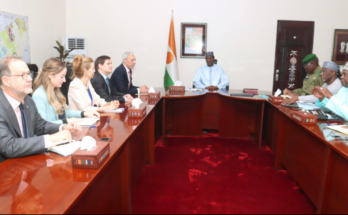
On October 13, 2026, Niger’s government issued a 45-day ultimatum to CNPC, WAPCO, and SORAZ, demanding compliance with contractual commitments. The allegations are stark: over 3 trillion CFA francs in unrepatiated export earnings since April 2024, and a 17.4 billion CFA franc shortfall for the public treasury.
Foreign Minister Bakary Yaou Sangaré’s statements underscore a hardening stance. Niger is demanding accountability on revenue repatriation, local hiring, and contractual obligations. Yet the ultimatum’s resolution remains uncertain: Will companies meet the demands? Can negotiations bridge the divide? Or will non-compliance trigger further escalation?
The Goumeri W8 crisis has thus arrived at a pivotal moment, amplifying existing financial and contractual disputes. A prolonged standoff could disrupt operations, erode partner trust, and hinder efforts to secure the well.
China’s test: adapting to a more assertive Niger
The Niamey-Beijing relationship is entering a phase where economic cooperation alone cannot smooth over divergences. Niger’s push for greater control over oil revenues reflects a broader assertion of economic sovereignty. But sovereignty extends beyond issuing ultimatums—it requires operational oversight, financial transparency, and contract enforcement.
CNPC remains a cornerstone of Niger’s oil sector. A protracted conflict risks destabilizing operations, yet Niger cannot afford to surrender its demands. The solution lies in verifiable data, clear procedures, and a long-term strategy that safeguards national interests without undermining the industrial backbone that sustains them.
Algeria’s delicate position in a three-way equation
By summoning Sonatrach, Niger introduced a regional player with the expertise to address a complex emergency. Yet this move occurs in a climate where every action is scrutinized through the lens of Niger-China relations.
Algeria’s involvement does not inherently signal an attempt to sideline CNPC. However, unresolved questions remain: Who approves on-site operations? Who assumes liability for decisions? How are expert recommendations integrated into CNPC’s intervention plan? Clarifying these points is essential to prevent diplomatic speculation from overshadowing safety imperatives.
Algeria can contribute technical support, CNPC must retain operational authority within a defined framework, and Niger must ensure oversight, coordination, and protection of public interest. Only then can international assistance effectively resolve the crisis.
Beyond rivalries: the imperative of factual clarity
In this affair, suspicions and questions abound—but answers must not rely on anonymous testimonials or political interpretations. Niger has announced an independent investigation to determine the eruption’s causes, evaluate early decisions, assign responsibilities, and assess environmental damage.
This inquiry must also clarify coordination efforts and identify measures that could have mitigated harm. Publishing its findings is critical to rebuilding trust. It will distinguish technical challenges from potential breaches, contractual disputes from safety liabilities, and established facts from unverified claims.
CNPC, Sonatrach, and Nigerien authorities must present their perspectives with supporting evidence. The severity of the incident demands rigorous examination, not assumption-based blame.
Goumeri w8: a stress test for resource sovereignty
Ultimately, the Goumeri W8 saga forces Niger to confront a fundamental question: How can it assert sovereignty over its natural resources without compromising the safety of its infrastructure or the stability of its partnerships?
The $400 million advance, the billions invested in oil infrastructure, Niger’s financial demands, and Algeria’s technical presence each tell part of this story. Together, they reveal a relationship where economic interests, technical decisions, and diplomatic balances are now inextricably linked.
Yet oil does not care for capital rivalries or contract negotiations. Until the well is secured and contaminated land is treated, the risk endures. For Niger, the dual priority is clear: extract accountability from its partners and ensure the industrial crisis leaves no lasting harm to its people or environment.
For China and Algeria, the challenge is proving that their cooperation with Niger can thrive within a transparent, responsibility-based framework that delivers tangible results. At Goumeri W8, the real test is not which partner emerges stronger from this standoff—it is whether Niger can master the eruption, protect its citizens, and turn its oil wealth into a driver of development rather than another source of tension.