Senegal’s inherited liabilities under scrutiny
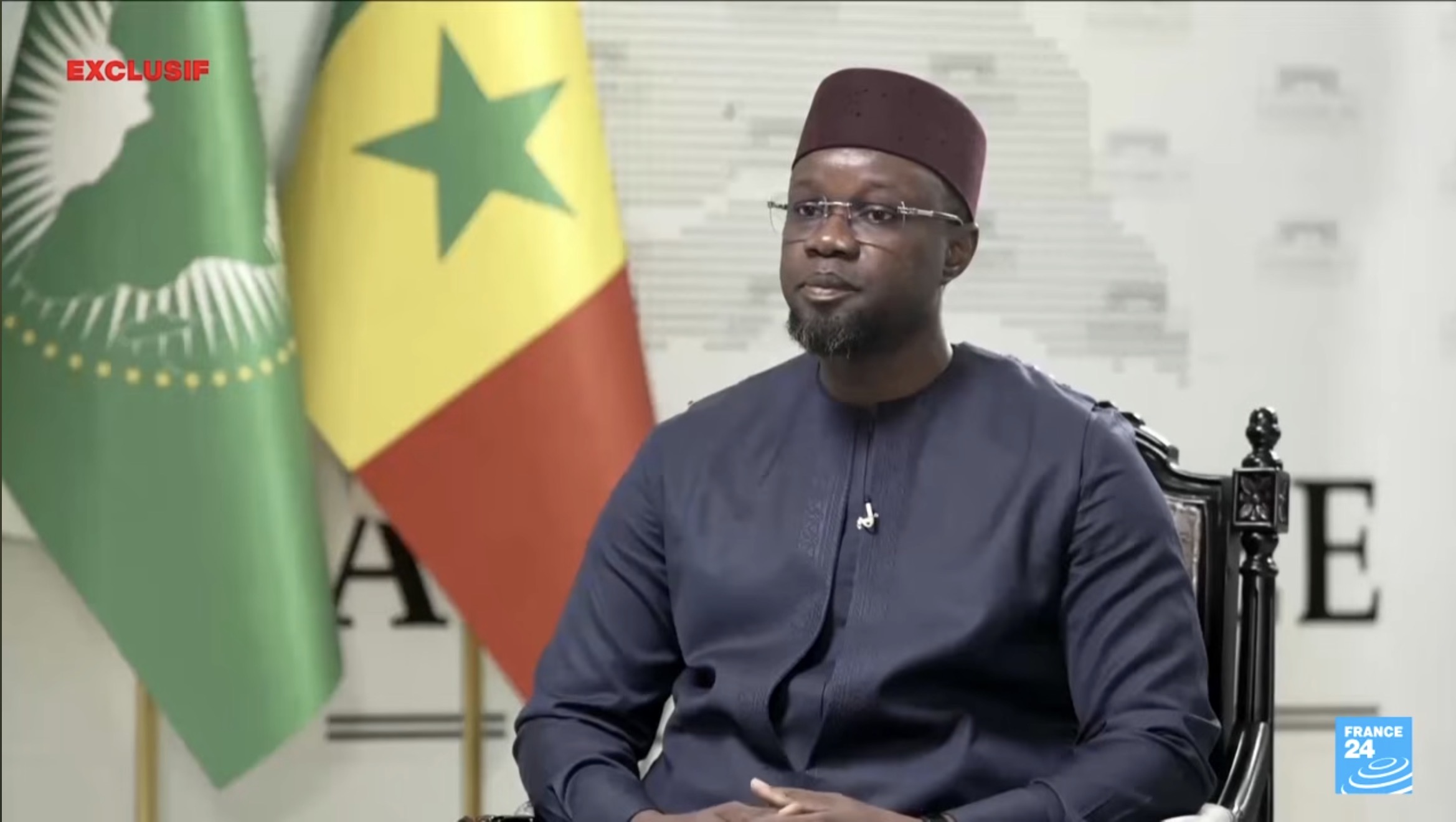
Ousmane Sonko, President of the National Assembly, has brought the issue of Senegal’s public debt back into the spotlight, raising the possibility that some financial commitments from the previous government could be classified as “odious debt.”
The leader of the PASTEF party defended the new administration’s decision to present a transparent account of public finances to citizens and international partners alike. He stressed that this commitment to transparency was crucial for building a foundation of credible and lasting economic governance.
“We have chosen to start from a healthy foundation,” Mr. Sonko stated, explaining that concealing the country’s budgetary realities would have risked further destabilizing the national economy.
A call for international dialogue
While acknowledging that a sovereign state must honor its financial obligations, the President of the National Assembly argued that certain debts, incurred under particular circumstances, require careful evaluation. He advocated for launching an international discussion to better define and manage what constitutes “odious debt.”
This term, which originates in international law, generally applies to debts taken on by a regime without the consent of its people and without benefiting them, though its legal application is still debated globally.
Reflecting on his previous role as Prime Minister, Ousmane Sonko mentioned he lacked the full institutional authority at the time to advance this issue. He did, however, highlight his complete agreement with the President of the Republic, Bassirou Diomaye Faye, on the proper management of public funds.
Balancing credibility and sovereignty
The political leader also made it clear he opposes any drastic restructuring of the debt. He insisted on the importance of preserving Senegal’s financial credibility with partners such as the International Monetary Fund (FMI).
According to him, addressing the debt crisis requires a strategy that combines budgetary discipline, economic sovereignty, and the implementation of structural reforms essential for national development.
In a global climate of economic uncertainty and geopolitical friction, the sustainability of public debt remains one of the foremost economic challenges facing Senegal.