Senegal’s political landscape is once again stirred by a parliamentary inquiry commission set to scrutinize the management of the ‘One Student, One Laptop’ program, a flagship initiative launched in 2017 under the Ministry of Higher Education, Research and Innovation (MESRI). With a total financial commitment estimated at 48 billion West African CFA francs, this commission has become the epicenter of a growing debate: is this a genuine effort to uncover financial mismanagement or a politically motivated move against former minister Abdourahmane Diouf?
Political rivalry overshadows financial scrutiny
The inquiry commission, convened during an extraordinary parliamentary session on August 10, 2026, covers a decade of program management from 2017 to 2026. This period spans the tenures of three ministers at the MESRI: Abdourahmane Diouf, followed by Daouda Ngom, and currently Boubacar Camara, who took office on June 1, 2026. While the official text does not explicitly name any individual, the timing of the commission’s launch coincides with Diouf’s departure from the presidential coalition to join Kiiraay – Les Patriotes républicains, a party aligned with President Bassirou Diomaye Faye.
Former Prime Minister Ousmane Sonko first raised concerns about financial irregularities in higher education programs as early as November 8, 2025, during his tenure as prime minister. At the time, Abdourahmane Diouf, then minister, publicly called for a parliamentary inquiry to investigate these allegations, including the construction of five university sites, while acknowledging shared responsibility with Sonko.
From political allies to adversaries
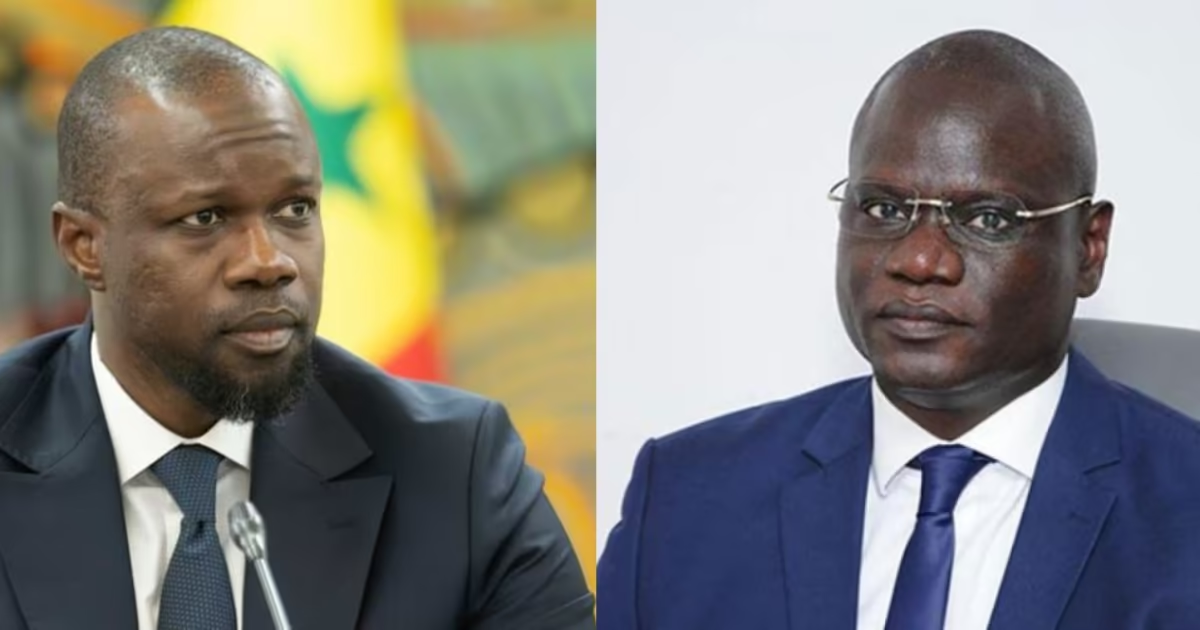
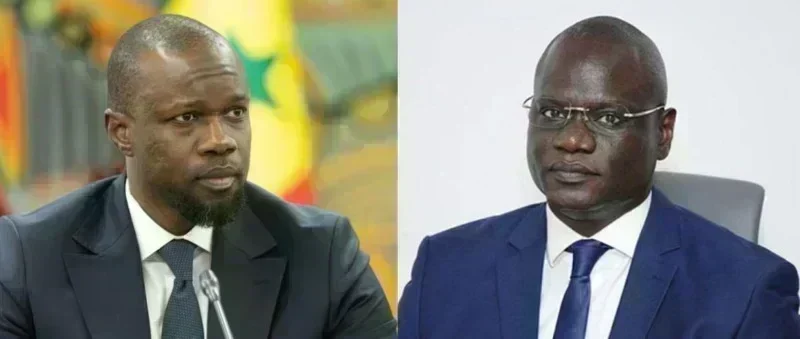
The current inquiry has intensified longstanding tensions between Sonko and Diouf. Diouf, a former leader of the Awalé party and an early ally of the ruling coalition, publicly distanced himself from Pastef after joining Kiiraay. This political shift has fueled speculation that the inquiry may serve as a tool to settle scores rather than address financial mismanagement.
While the inquiry’s scope technically includes the entire period from 2017 onward, no specific allegations or names are mentioned in the official decree. The absence of targeted accusations leaves room for interpretation: is this a legitimate attempt to rectify past financial errors, or a politically driven maneuver to undermine a former government member?
Only the findings of the commission, once completed and published, will provide definitive answers about the management of the 48 billion West African CFA francs allocated to the program.