Polisario’s military disadvantage in face of Morocco’s advances

The Polisario Front continues to pursue dialogue with Morocco despite the loss of a key military leader in a precision strike. This contradictory stance reveals the movement’s struggle—militarily outmatched and diplomatically sidelined.
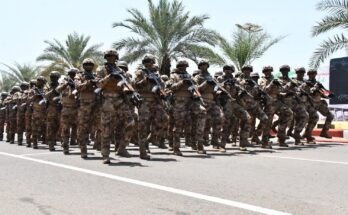
The death of Lahbib Mohamed Abdelaziz, a prominent figure in the Sahrawi army and son of a former Polisario president, starkly highlights the harsh realities on the ground. Killed by a high-precision strike during a withdrawal operation, his death adds to the growing toll of drone casualties over recent years. As the asymmetric conflict intensifies, the movement’s reliance on outdated military equipment—such as modified Spanish Land Rovers—has become glaringly insufficient. Jalil Mohamed Abdelaziz, the group’s delegate in Madrid, acknowledges the “steep cost” of defending their cause in the face of Morocco’s technological superiority.
Diplomatic ambiguity amid military decline
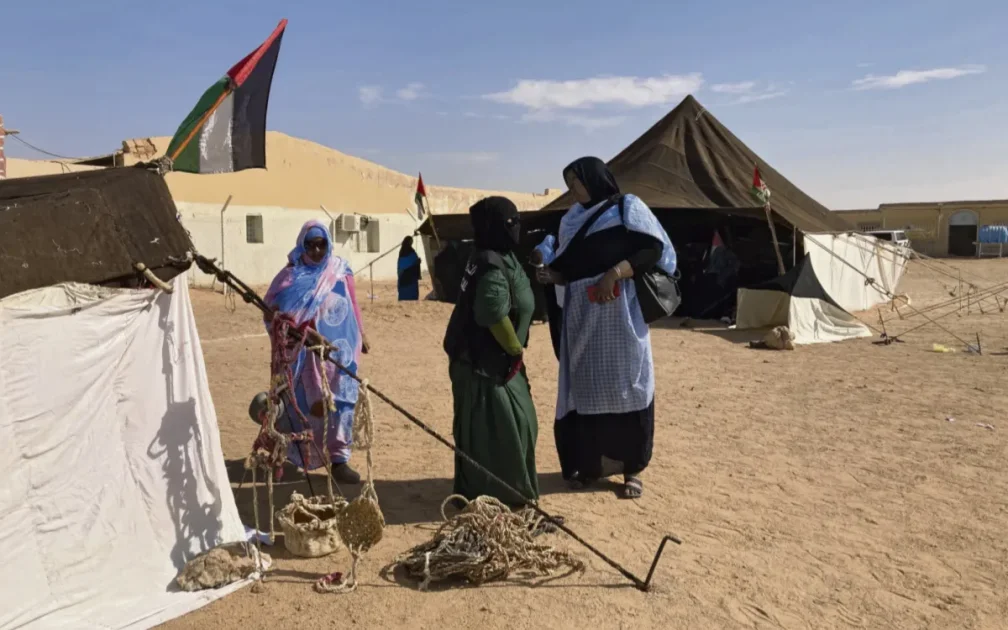
Despite this crushing disadvantage, the Polisario maintains a dual strategy. Abdullah Arabi, the group’s representative in Spain, insists that the movement is “accustomed to dialogue in all circumstances”, refusing to abandon bilateral negotiations. This fluctuating approach was evident in April, when leader Brahim Ghali, speaking from the Tindouf camps in Algeria, softened his rhetoric. Ghali emphasized his movement’s willingness to engage as a peaceful partner with neighboring states, including Morocco, while demanding strict adherence to United Nations resolutions.
International isolation and shifting alliances
This diplomatic limbo stems from the conflict’s dwindling global relevance. While Western powers like the United States and France have increasingly sided with Morocco, the movement faces growing isolation. Even Spain, once a vocal advocate for Sahrawi rights, shifted its stance in 2022 when Prime Minister Pedro Sánchez endorsed Morocco’s autonomy plan as the most credible solution. Abdullah Arabi has sharply criticized Madrid’s about-face, condemning what he describes as “deafening silence” and “double standards” when Sahrawi lives are at stake.
A fortified barrier reshaping the battlefield
Geographically, the conflict has reached a stalemate, marked by the 1980s-era Moroccan-built sand berm. This imposing military barrier splits the 250,000-square-kilometer region, confining the Polisario to just 20% of the inland territory. Human rights advocate Aminatou Haidar insists that Sahrawi resolve remains unbroken, yet even the vast desert’s intimate knowledge can no longer counter Morocco’s advanced military capabilities.