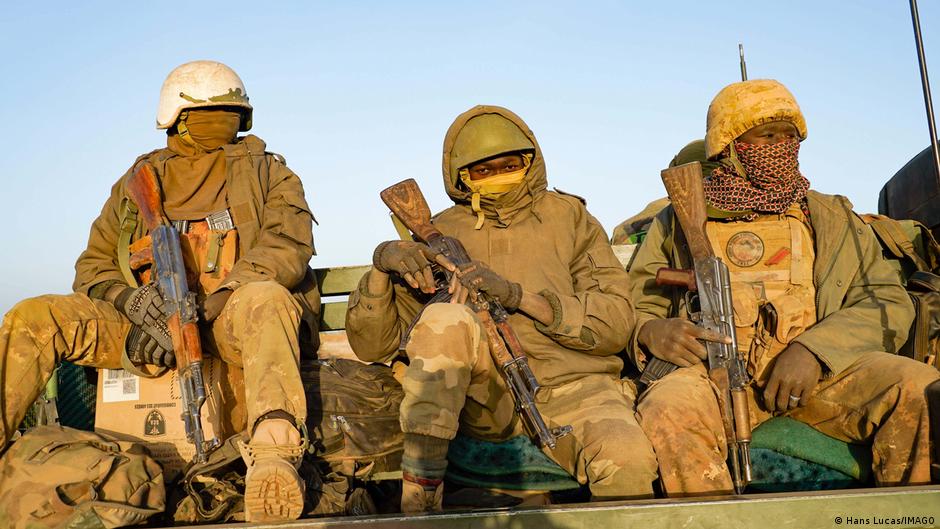
The presence of Russian paramilitaries in Mali has raised questions about their surprisingly low casualty rates compared to Malian forces. As attacks by jihadist groups continue, the disparity in losses between the two forces warrants closer examination.
Why the stark difference in casualties?
Observers have noted that while Malian troops frequently bear the brunt of attacks, Russian mercenaries operating under Africa Corps appear far less affected. This phenomenon can be attributed to several key factors that differentiate their roles and capabilities.
Numerical disparity plays a role
Military analysts point to a fundamental difference in troop numbers. While the Malian Armed Forces (FAMa) deploy over 13,000 soldiers across the country, Africa Corps’ paramilitary contingent remains significantly smaller—estimated between 1,500 and 2,000 fighters. This numerical imbalance means Malian troops are more exposed to attacks simply due to their larger presence on the ground.
Moreover, their roles are not identical. Russian mercenaries primarily serve as support forces rather than frontline combatants. Mamadou Mouth Bane, a researcher specializing in Sahel security, explains: “Malian soldiers are almost always the first to engage, positioned in high-risk zones where jihadist attacks are most frequent. Russian forces, by contrast, operate in a back-office capacity, focusing on drone surveillance, data analysis, and strategic coordination—roles that inherently carry less immediate danger.”
Experience and equipment make a difference
Another critical factor is the background of the Russian mercenaries. Many are veterans of conflicts in Syria, Libya, and Ukraine, bringing extensive combat experience to Mali. Unlike Malian troops, who often receive basic training, these fighters are battle-hardened professionals with sophisticated training in asymmetric warfare.
Abdoulaye Sounaye, a Sahel security analyst at the Leibniz Centre Modern Orient in Berlin, highlights their advantages: “These are not conscripts but seasoned mercenaries who have faced combat in multiple theaters. Their expertise, combined with advanced weaponry and protective gear—including aerial assets and armored vehicles—gives them a tactical edge that reduces their vulnerability in engagements.”
Strategic priorities shape engagement
Russia’s limited troop deployment in Mali suggests a calculated approach. Rather than spreading thin across the front lines, Africa Corps focuses on securing high-value targets and executing critical operations. This strategy leaves Malian forces to hold ground in less strategically vital areas, where they bear the highest risks.
The combination of smaller numbers, supportive roles, veteran experience, and strategic prioritization helps explain why Russian mercenaries in Mali face fewer casualties than their Malian counterparts.