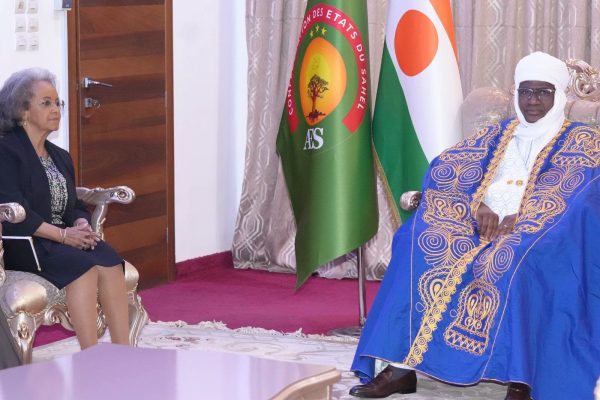
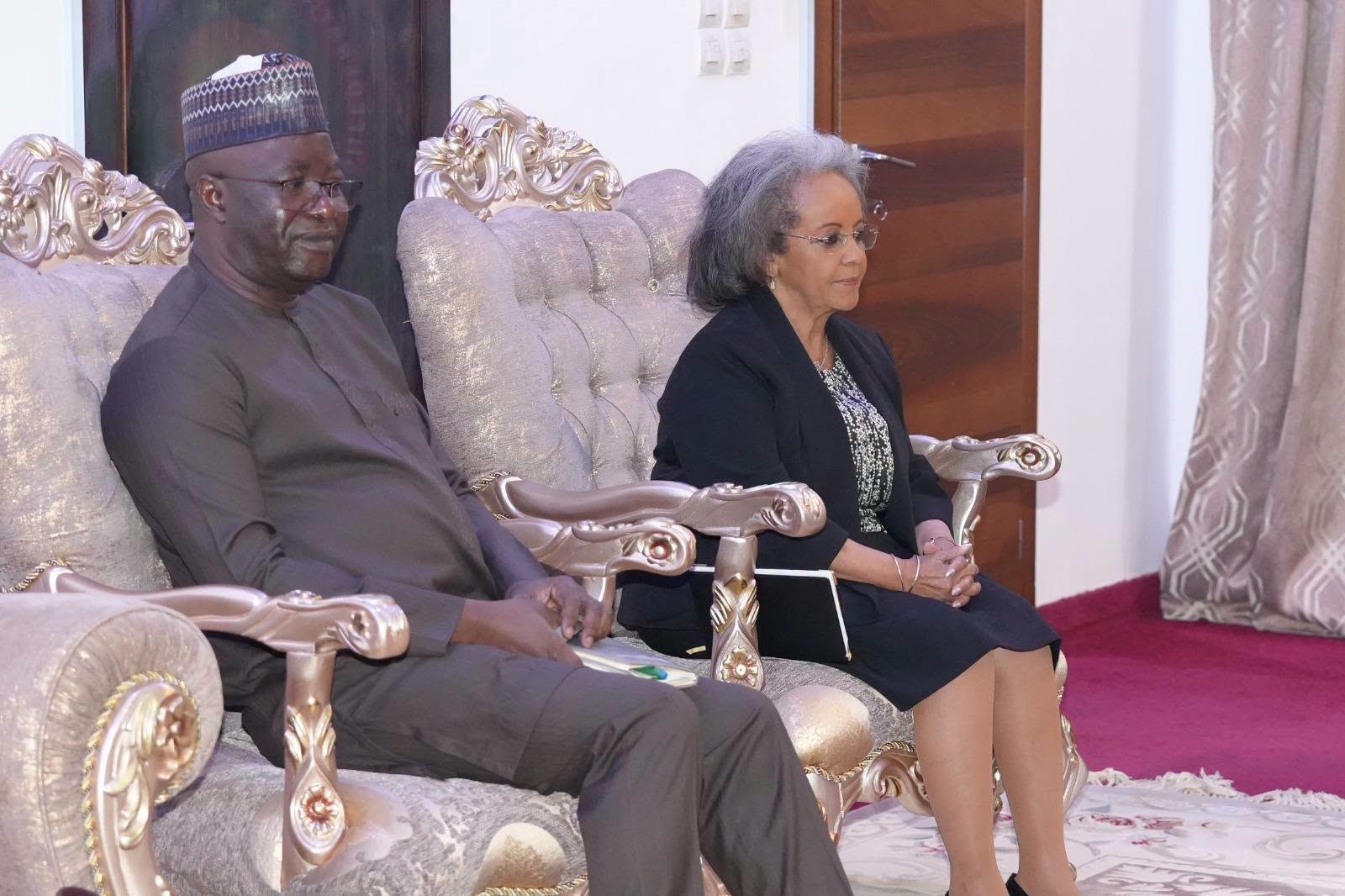
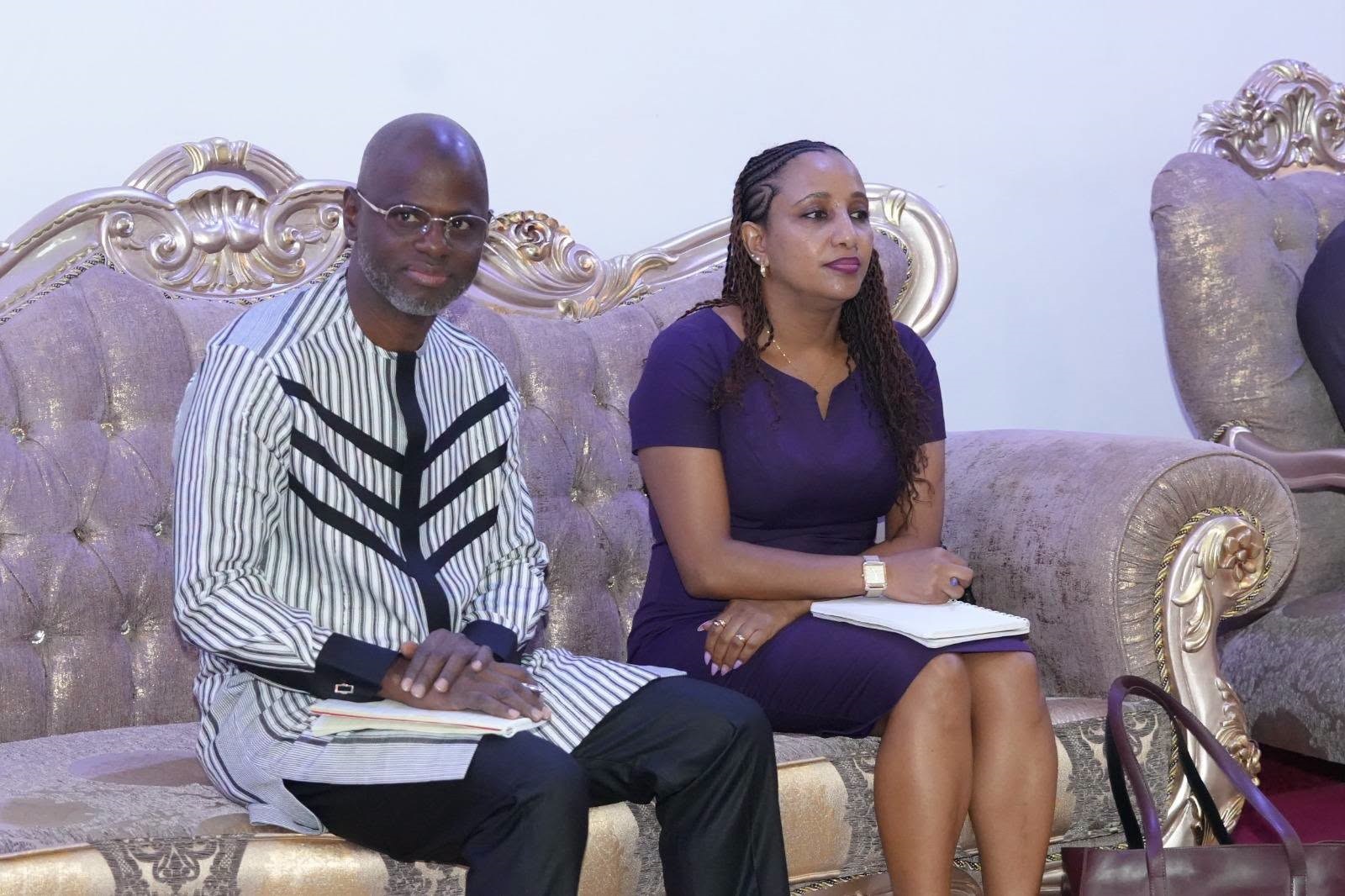
Niamey hosts critical discussions as Niger takes the lead in shaping the future of the United Nations Office for West Africa and the Sahel (UNOWAS). Dr. Mamoudou Harouna Djingarey, Chairman of Niger’s Refoundation Advisory Council (CCR), engaged in high-level talks with Sahle-Work Zewde, former President of Ethiopia, who is spearheading an independent strategic review of UNOWAS. The meeting, held in the capital, reflects Niger’s determination to voice its priorities in the evolving geopolitical landscape of the Sahel.
At the heart of these discussions is the need to adapt the UN’s regional presence to the shifting realities of West Africa and the Sahel. On July 20, 2026, Dr. Djingarey and Ms. Zewde convened in Niamey to assess the effectiveness of UNOWAS and explore ways to strengthen its mandate amid escalating security threats, political transitions, and humanitarian crises.
Niger’s vision for sovereignty and regional stability
The CCR Chairman outlined the institution’s role in supporting Niger’s refoundation process, emphasizing three core objectives: reinforcing national sovereignty, fostering social cohesion, and promoting lasting peace. These pillars, he argued, are vital not only for Niger but also for addressing the Sahel’s most pressing challenges, including governance deficits, conflict prevention, and cross-border cooperation.
The talks covered broader themes such as regional stability, conflict mitigation, and the need for stronger collaboration among West African and Sahelian states. Dr. Djingarey underscored that Niger’s approach prioritizes dialogue and cooperation, provided they align with the country’s strategic autonomy.
UNOWAS review seeks to realign with Sahel’s evolving challenges
The visit by Sahle-Work Zewde is part of an independent strategic review aimed at recalibrating UNOWAS’s mission to better address the Sahel’s current realities. The region faces a complex web of threats—security instability, political transitions, humanitarian emergencies, and developmental hurdles—all of which demand a more agile and effective UN response.
During the meeting, the former Ethiopian leader commended Niger’s leadership and the depth of the discussions. She confirmed that insights gathered from national institutions would shape the final recommendations of the strategic review, ultimately guiding the future direction of UNOWAS in the region.
Strengthening international partnerships with a focus on sovereignty
This engagement highlights Niger’s commitment to maintaining open channels of communication with global partners while upholding its national sovereignty. The CCR’s position remains clear: international cooperation must respect Niger’s autonomy and align with its national priorities.
The discussions were also attended by Abdou Moustapha, General Rapporteur of the CCR, marking another milestone in the independent strategic review’s consultations. The findings from this review are expected to play a pivotal role in redefining UNOWAS’s role amid the region’s profound transformations.