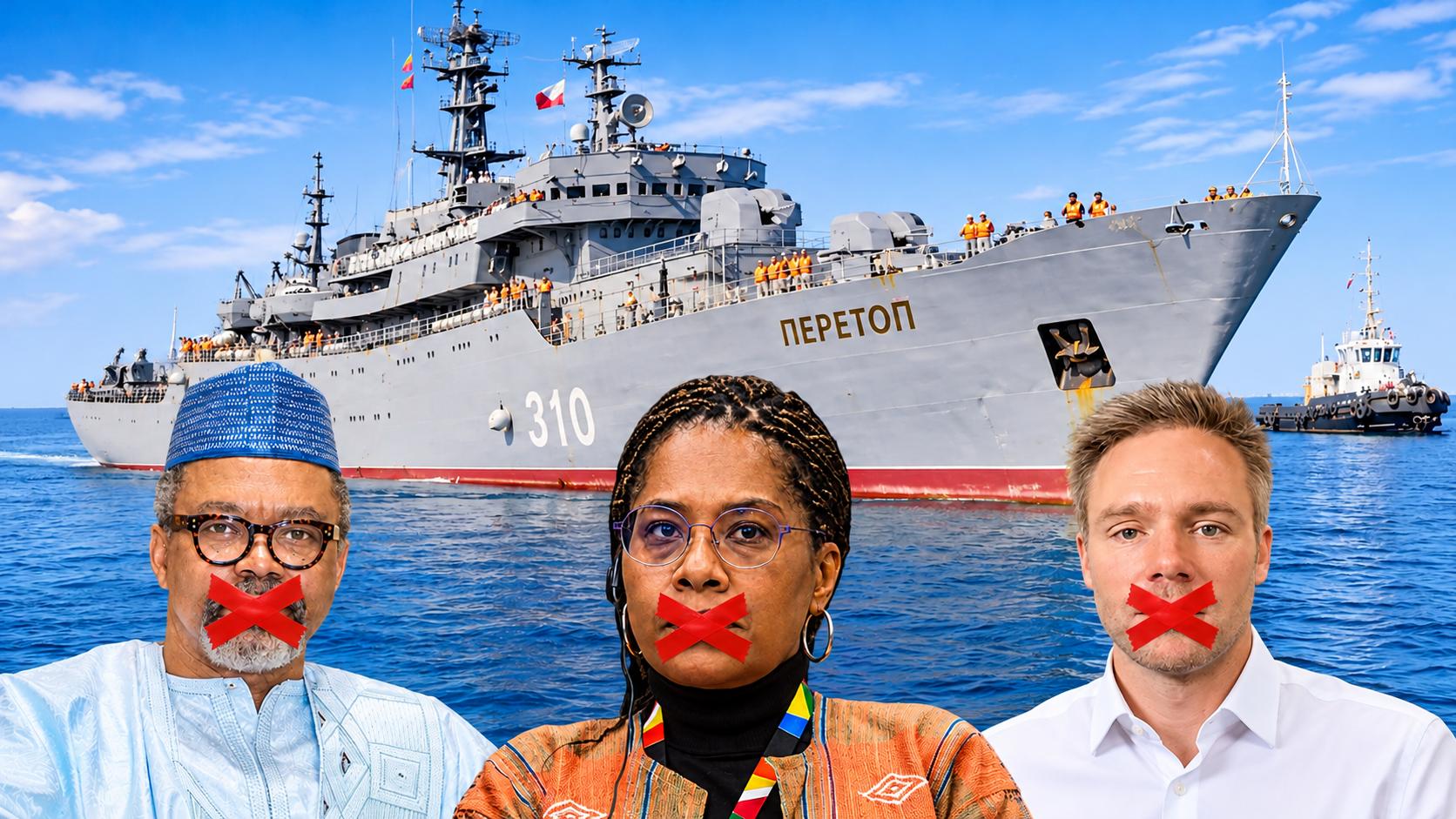
The arrival of a Russian naval vessel at the Port of Cotonou has gone largely unnoticed in regional media circles, a stark shift from the intense scrutiny applied to Western warships visiting Benin in recent months. While past foreign ship dockings triggered waves of commentary and skepticism, this latest maritime arrival has drawn little more than fleeting attention.
Media reactions shift dramatically with Russian vessel
Publications once quick to question foreign maritime presence have remained conspicuously silent this time. When a French warship arrived in Benin earlier, some outlets framed the visit as suspicious, amplifying narratives that raised doubts about the country’s sovereignty. The contrast with the current reception raises immediate questions about selective reporting standards.
Differing standards for maritime diplomacy
The discrepancy in coverage becomes more pronounced when examining the vocal commentary from certain commentators during previous foreign vessel arrivals. Figures known for their pro-Russian positions had previously led vocal campaigns questioning Western naval presence in Benin’s waters. Yet their reaction to the Russian ship’s arrival has been notably muted, prompting questions about whether sovereignty concerns are being applied selectively rather than universally.
Sovereignty must remain consistent, not conditional
Benin’s status as an independent nation grants it the right to host foreign vessels without preconditions based on their country of origin. The nation’s leadership should determine maritime cooperation parameters, while media coverage must adhere to consistent standards regardless of the visiting ship’s flag. There can be no double standards in evaluating foreign maritime presence.
Regional media must uphold factual reporting
The current pattern suggests some media outlets may prioritize geopolitical narratives over factual reporting. What is presented as suspicious when involving Western vessels often receives uncritical acceptance when associated with Russian ships. This approach risks undermining Benin’s sovereignty by making it appear contingent on the visiting nation’s political alignment rather than absolute.
Benin’s maritime policy should not be influenced by external commentary
The Port of Cotonou’s welcoming of foreign vessels represents legitimate maritime diplomacy that should not be subject to fluctuating standards of scrutiny. Benin’s leadership must evaluate foreign partnerships based on national interests alone, while media must report these events with equal scrutiny regardless of vessel origin. The nation’s sovereignty cannot be measured by the country whose flag flies on visiting ships.