
Moscow’s stealthy supply line reshapes Sahel security
The skies over West Africa’s Sahel are witnessing an unprecedented surge in military and logistical activity, with Moscow at the helm. A fleet of Russian-operated aircraft, led by the Africa Corps, is quietly but systematically transporting troops and weaponry to the region’s most volatile zones. This covert air bridge, now a critical artery for regional power dynamics, has raised eyebrows among regional analysts and neighboring governments alike.
The Africa Corps: a Russian footprint in the Sahel
The Africa Corps, a shadowy military unit under Kremlin control, has emerged as Moscow’s preferred instrument for projecting influence in the Sahel. Unlike traditional mercenary outfits, this group operates with a veneer of legitimacy, blending state-backed air transport with private aviation networks. Reports from regional airports confirm a steady flow of flights, often under the radar of international oversight.
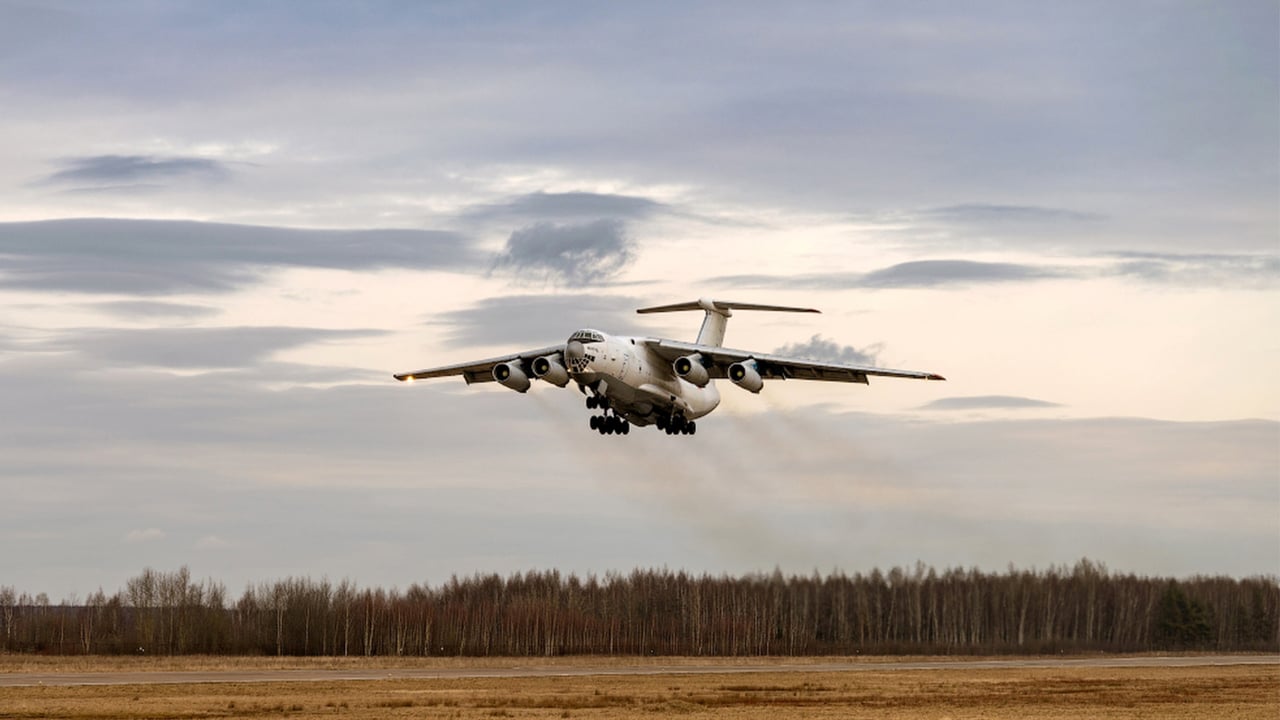
Key destinations include Bamako in Mali, Niamey in Niger, and Ouagadougou in Burkina Faso—three capitals that have recently realigned their foreign policies toward Moscow. The aircraft deployed, primarily IL-76 models, are known for their heavy-lift capabilities and long-range endurance, making them ideal for hauling troops and military hardware across vast distances.
Zitotrans: the airlift backbone of Moscow’s Sahel strategy
A central player in this operation is Zitotrans, a Russian aviation company with deep ties to the Kremlin. While officially a private entity, its fleet of IL-76 aircraft has become synonymous with Africa Corps’ logistical operations. Flight logs and satellite imagery reveal a pattern of regular flights between Russian military hubs and Sahelian airfields, often bypassing standard customs and inspection protocols.
The use of private aviation firms allows Moscow to evade scrutiny while maintaining plausible deniability. This strategy mirrors tactics employed by the Wagner Group in past years, though the Africa Corps represents a more institutionalized approach, aligning closely with Russian state objectives.
Implications for regional stability
The rapid militarization of the Sahel through Russian airlift operations carries profound implications. For governments in Bamako, Niamey, and Ouagadougou, this influx of military support bolsters their capacity to counter jihadist insurgencies. However, it also deepens their dependence on Moscow, raising concerns about long-term sovereignty and regional autonomy.
Neighboring countries, particularly those in the Economic Community of West African States (ECOWAS), view this development with skepticism. The growing Russian presence in the Sahel challenges existing security frameworks and risks exacerbating tensions between Sahelian states and their Western partners.
What’s next for the Sahel?
As the Africa Corps’ air operations continue to expand, the region finds itself at a crossroads. The influx of Russian troops and weapons could tip the balance in ongoing conflicts, but it may also provoke a stronger response from international actors seeking to curb Moscow’s influence. One thing is certain: the Sahel’s security landscape will never be the same.
Silent skies, loud consequences
While the world’s attention remains focused on other global flashpoints, Russia’s air bridge to the Sahel is quietly reshaping the power dynamics of West Africa. The Africa Corps’ stealthy operations underscore a broader trend: Moscow’s determination to expand its footprint in Africa, one flight at a time.