Sahel alliance addresses Nigerian president’s security claims
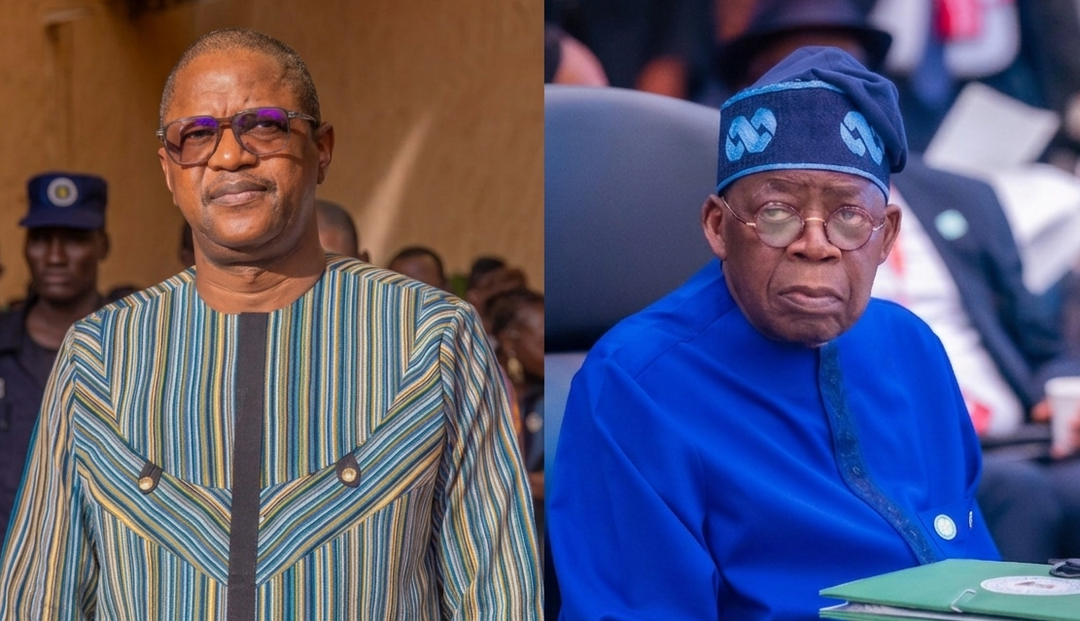
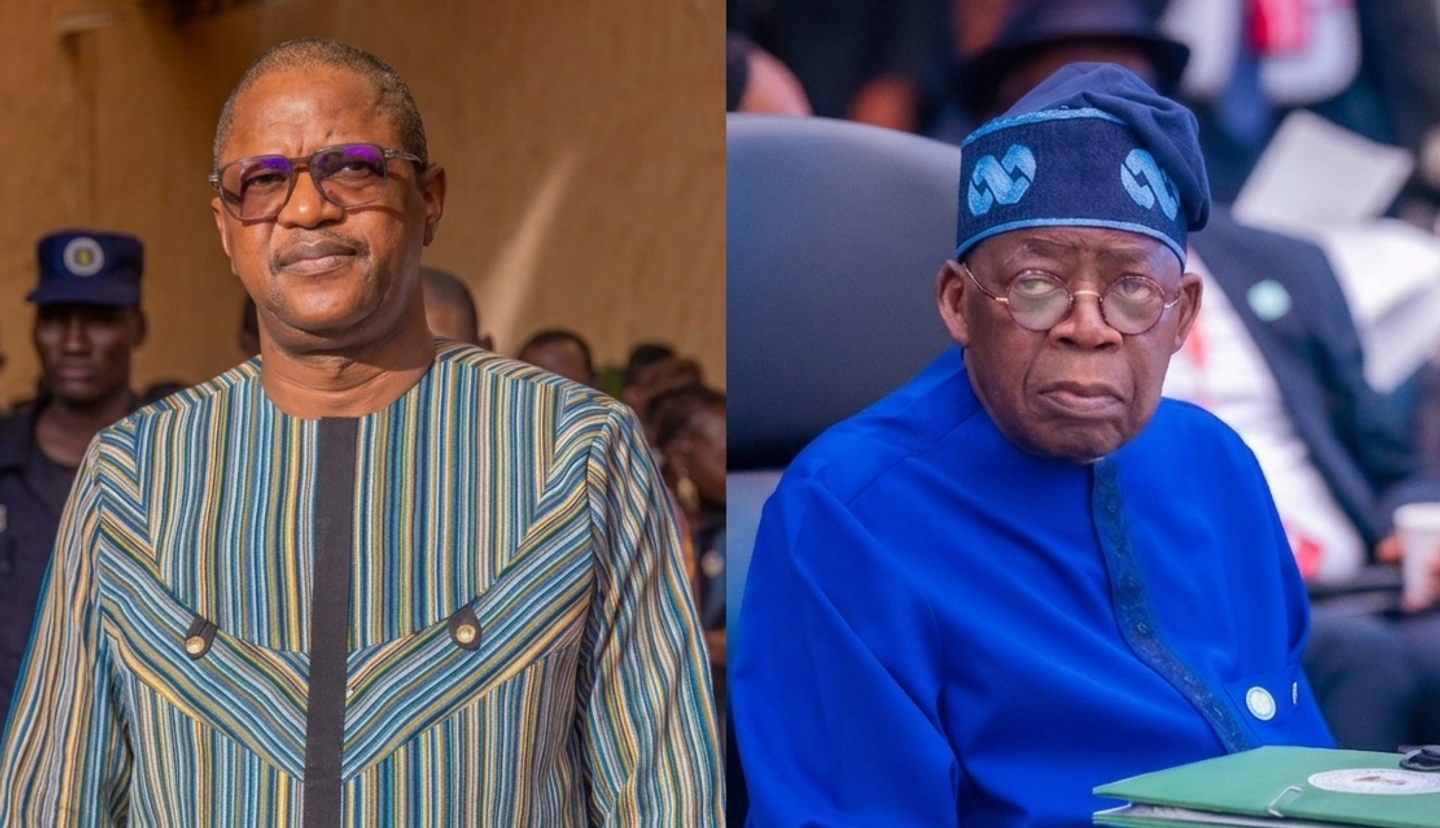
Ouagadougou recently hosted a pivotal diplomatic meeting following statements made by Nigerian President Bola Ahmed Tinubu concerning the security situation in the Alliance of Sahel States (AES) member countries. Karamoko Jean Marie Traoré, Burkina Faso’s Foreign Minister, received Nigeria’s Chargé d’Affaires. Representatives from the embassies of Mali and Niger were also present, signaling a united front from the three West African nations.
President tinubu’s assessment of regional insecurity
On July 30, during a discussion with traditional Nigerian leaders, President Tinubu linked the surge in kidnappings and terrorist attacks in Nigeria to what he termed a “collapse” of security in neighboring Sahelian states. He articulated his view, stating, “Some of them (the terrorists) are not Nigerians. You see, the problem of insecurity in Mali, in Burkina Faso and in Niger only aggravates our difficulties.” This assertion, as detailed in a communiqué from Burkina Faso’s Ministry of Foreign Affairs, prompted the diplomatic response.
Burkina Faso’s chief diplomat, Traoré, strongly refuted President Tinubu’s analysis of the security landscape. He characterized the Nigerian leader’s interpretation as “quick, very simplistic and surprising,” suggesting it revealed a “concerning bias.” Traoré emphasized that such a perspective “obscures the considerable sacrifices” made daily by the defense and security forces, as well as the populations of Burkina Faso, Mali, and Niger, in their ongoing battle against terrorism.
A call for shared responsibility in west african security
Traoré underscored that Nigeria has itself contended with the Boko Haram insurgency for many years, even before the widespread advent of terrorism in the nations now comprising the AES. He pointed out that despite known links between Boko Haram and various terrorist factions active across the Sahel, AES member states have consistently refrained from public accusations against Nigeria. Instead, they have advocated for an approach built on cooperation and mutual responsibility, acknowledging the intricate nature of regional security challenges.
He further affirmed that Burkina Faso, Mali, Niger, and Nigeria are confronting a shared enemy. Consequently, the operational successes achieved by the defense and security forces within the AES directly contribute to the overall security of the entire West African sub-region, including Nigeria, by curtailing the destructive capabilities and mobility of terrorist organizations. Traoré concluded by urging Nigerian authorities to adopt a unifying discourse that fosters solidarity, rather than making statements that could deepen divisions or misunderstandings among peoples bound by history, geography, and fraternity.
In response, the Nigerian Chargé d’Affaires confirmed that he had duly noted the message conveyed and committed to relaying its contents accurately to his authorities in Abuja, as stated by the Burkina Faso Ministry of Foreign Affairs.