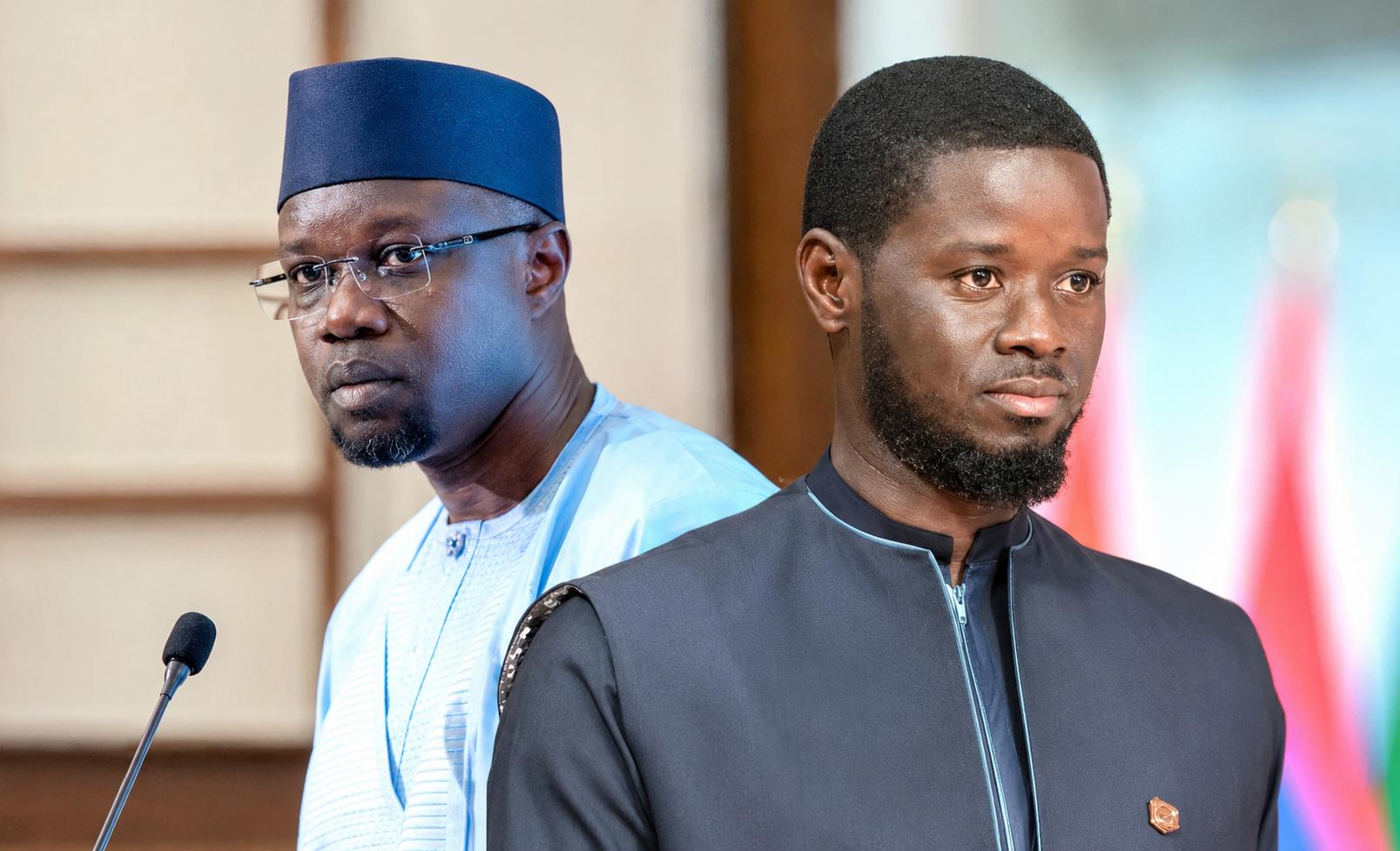
Historic ruling puts brakes on constitutional changes in Senegal
The Constitutional Council of Senegal has delivered a landmark decision that has sent shockwaves through the nation’s political landscape. In a ruling announced on July 9, 2026, the Council invalidated a sweeping constitutional reform bill that had been narrowly approved by the National Assembly just days earlier. The decision underscores the court’s pivotal role as a guardian of constitutional integrity, while exposing deep procedural fissures within the government’s legislative strategy.
Presidential intervention triggers constitutional review
What makes this case particularly noteworthy is the unprecedented nature of its initiation. The reform package, which sought to fundamentally reshape Senegal’s institutional framework—including measures to rebalance executive and legislative powers, prohibit the president from leading a political party, and establish a dedicated Constitutional Court—had successfully cleared the National Assembly on June 29, 2026. Yet, in a surprising twist, President Bassirou Diomaye Faye opted to refer the matter directly to the Constitutional Council on July 6, 2026. Rather than contesting the substance of the reforms, the presidency’s legal team focused solely on procedural violations in the bill’s passage through parliament. A comprehensive dossier was submitted to the Council, complete with transcribed debates, rejected government amendments, and audiovisual recordings of Assembly proceedings, all meticulously compiled to support the claim of constitutional breach.
Financial and procedural violations sink reform bill
The Council’s ruling hinged on two decisive constitutional violations as outlined in Article 82 of Senegal’s fundamental law. First, it found that the bill violated the principle prohibiting the creation of new public offices or financial burdens without compensatory revenue measures. The Assembly’s adoption of the reform package, as drafted, would have reduced state resources or increased public expenditure without corresponding fiscal safeguards—a direct contravention of constitutional norms.
Secondly, the Council ruled that the National Assembly had failed to respect the executive branch’s prerogatives during the legislative process. Specifically, the Assembly ignored repeated objections from the government, refusing to adjourn debate or remove contentious provisions at the executive’s request. This disregard for the executive’s role in the legislative process was deemed a fatal procedural flaw, rendering the entire reform bill unconstitutional before it could even be enacted or put to a public vote.
In its official statement, the Constitutional Council declared, “The procedural irregularities identified render the revision law invalid in its entirety, precluding any possibility of promulgation or submission to referendum.”
Political fallout tests democratic resilience
The Council’s decision has ignited a fierce debate about the balance of power in Senegal’s democracy. While supporters of the ruling party view the ruling as a necessary correction—a call for greater rigor in constitutional reform—the opposition has hailed it as a victory for the rule of law over legislative haste. Far from undermining Senegal’s institutions, the ruling reaffirms the judiciary’s independence and its capacity to mediate high-stakes conflicts between the presidency and parliament.
For President Bassirou Diomaye Faye and his administration, the path forward now requires a strategic reassessment. The government must either draft a revised version of the reform bill that complies strictly with constitutional procedures or pursue an alternative route, such as a national referendum, to secure public endorsement for its institutional agenda. The message from the Constitutional Council is clear: ambitious reforms must never come at the expense of constitutional discipline.