The public broadcaster’s decision to withhold live coverage of a critical constitutional review session has ignited a fresh wave of debate across Senegal. While the National Assembly convened to deliberate on proposal n°17/2026—a sweeping constitutional amendment—RTS 1 opted out of the live broadcast, triggering immediate backlash online.
The omission has drawn sharp criticism from citizens and digital observers alike. On social platforms, particularly X, discussions erupted within minutes of the parliamentary proceedings commencing, with many questioning the broadcaster’s editorial judgment. Some users condemned the move as politically motivated, while others framed it as part of a broader pattern of selective visibility in national media coverage.
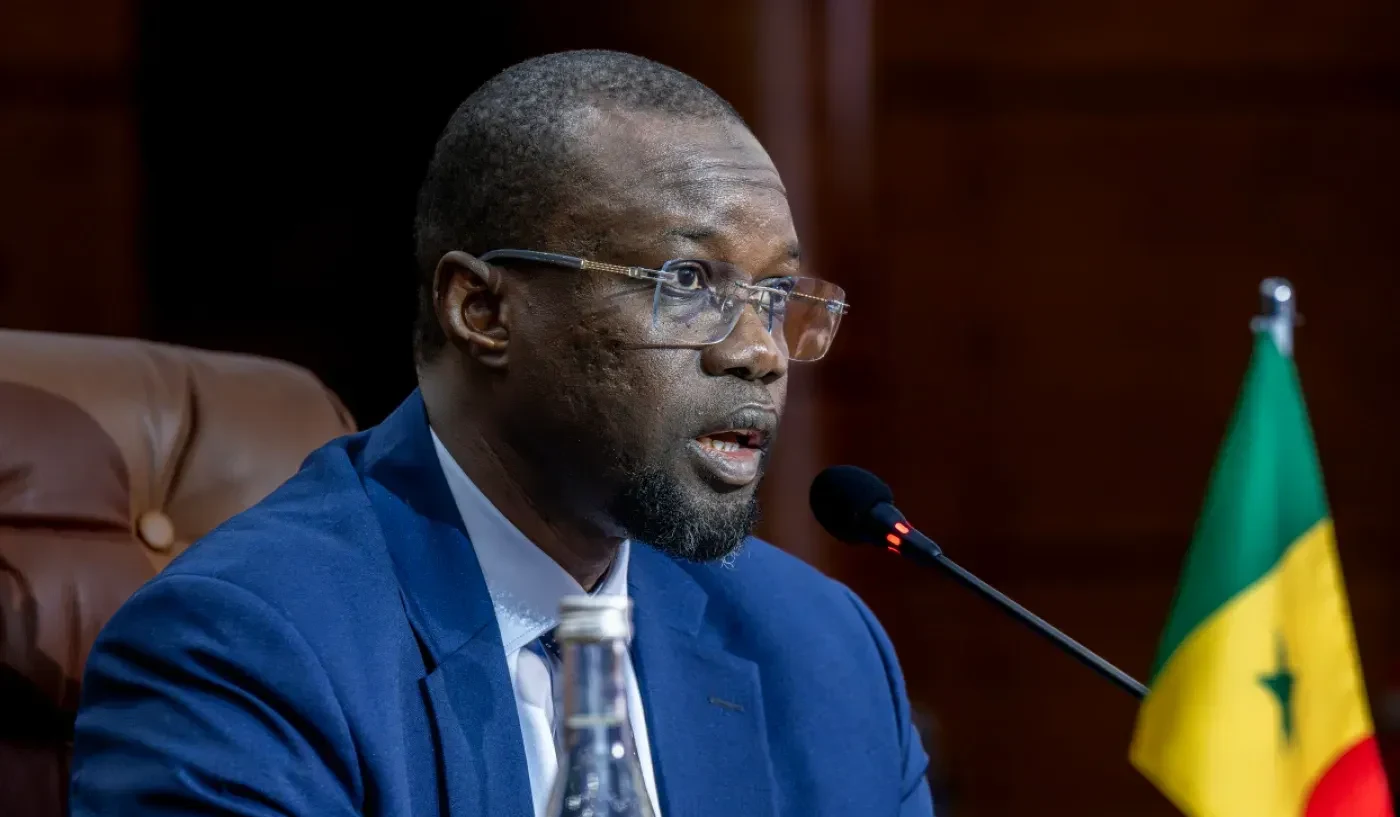
The controversy deepens when examining how certain political figures—Ousmane Sonko among them—are represented—or omitted—from televised state affairs. The absence of live coverage for this constitutional debate has only fueled perceptions of institutional bias. Social media reactions ranged from resigned disappointment to outright condemnation of what some described as a ‘persistent failure’ in the public broadcaster’s role.
With the proposal n°17/2026 still under review, the decision by RTS 1 to bypass the session has become a lightning rod for broader discussions on media transparency and the responsibilities of public television in Senegal.