The human rights situation in the eastern Democratic Republic of the Congo (DRC) has reached an ‘exceptional gravity’, the independent United Nations Commission of Inquiry warned this Monday, citing alarming allegations of grave violence against civilians.
Presenting its first update to the Human Rights Council in Geneva, the independent UN Commission of Inquiry on the human rights situation in the provinces of South Kivu and North Kivu painted a worrying picture. It denounces a continuous deterioration of the security environment, marked by mass displacements, the weakening of public institutions, and a complex regional conflict.
‘The information brought to our attention describes a situation of exceptional gravity,’ said Arnauld Akodjenou, chair of the Commission.
Grave violence and human rights violations
According to the Commission, numerous testimonies report serious abuses against civilians, including conflict-related sexual violence, including cases of sexual slavery. Investigators also mention unlawful killings, arbitrary arrests, and forced recruitment, including of children.
Attacks on essential infrastructure, such as schools and health facilities, are also among the documented violations.
‘We have received deeply concerning testimonies regarding children and conflict-related sexual violence,’ insisted Arnauld Akodjenou.
A vulnerable civilian population without protection
The Commission stresses that residents of affected areas find themselves particularly vulnerable, often without protection against violence. Displaced people, women, children, and already weakened communities are the most exposed.
The humanitarian crisis is worsened by obstacles to humanitarian aid access, while cases of ill-treatment have been reported in detention facilities that do not respect basic legal guarantees.
‘No actor should be subjected to reprisals for having cooperated with United Nations mechanisms,’ recalled Commissioner Clément Voule.
Investigation still at a preliminary stage
Established by the Human Rights Council, the Commission is tasked with investigating alleged violations of international humanitarian law and human rights in eastern DRC. At this stage, its investigations remain preliminary.
‘The Commission does not prejudge either the facts or responsibilities,’ said Commissioner Maxine Marcus, stressing the importance of a victim- and survivor-centered approach.
Since the start of its work, the Commission has conducted over 50 online consultations and over 30 in-person meetings with various stakeholders. During a mission to Kinshasa in early June, it met victims, civil society organizations, government representatives, and international partners. Thirty-five civil society organizations alone were able to speak during group meetings.
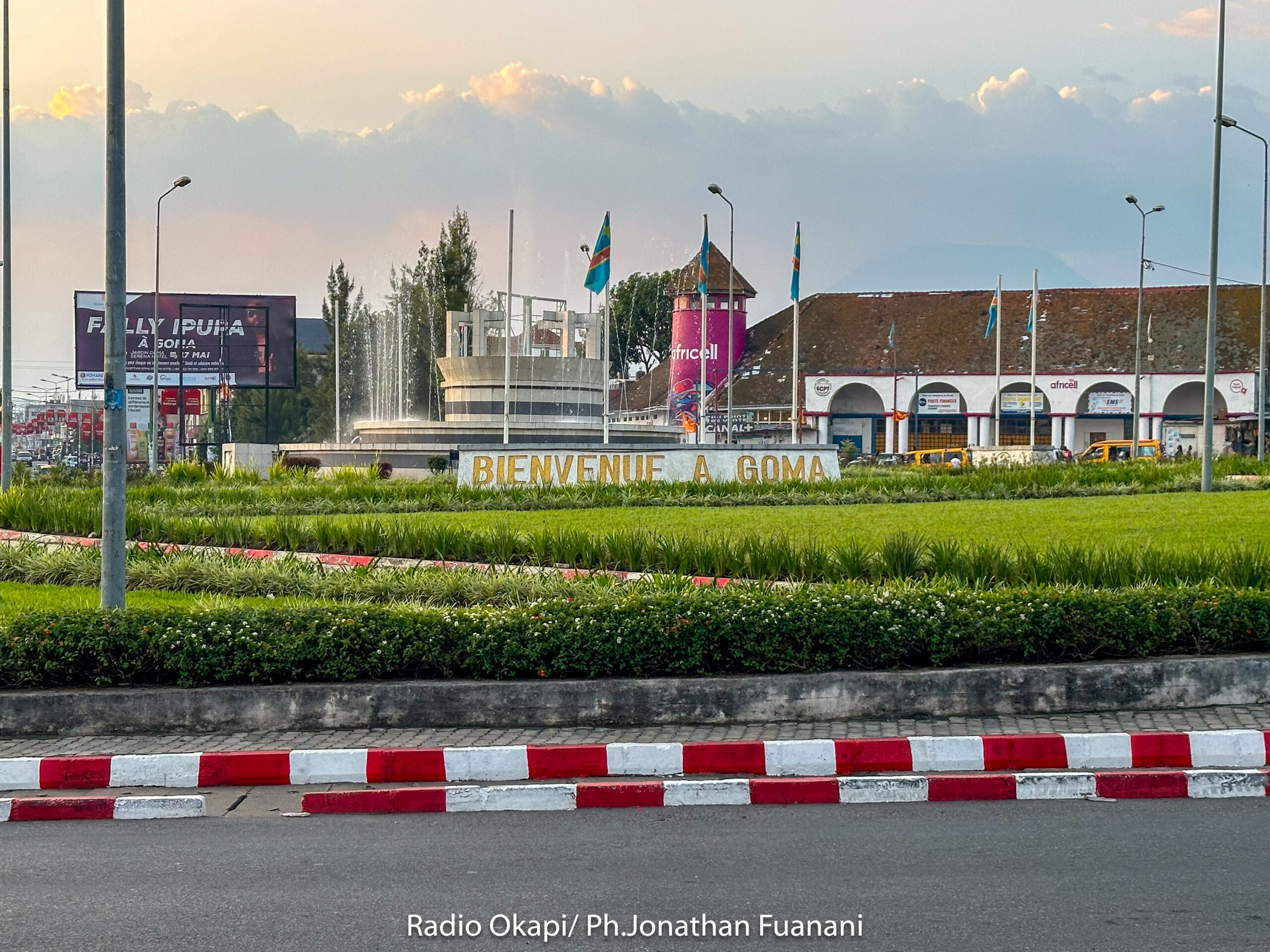
However, the security situation has not yet allowed investigators to travel to Goma and some affected areas in the east, although visits are planned as soon as conditions permit.
A multidimensional crisis
Beyond the violence, the Commission describes a crisis with multiple dimensions, affecting security, health, governance, education, and the economy. This situation is exacerbated by ongoing fighting, population displacements, and health risks, including the Ebola epidemic.
Faced with this context, the UN body calls on all parties to the conflict to guarantee safe, rapid, and unimpeded humanitarian access, especially for the most vulnerable groups.
Urgent call for action
The Commission insists on the need to place victims at the center of efforts to combat impunity and calls on national authorities and the international community to act urgently.
It particularly recommends:
- preserving humanitarian corridors,
- protecting human rights defenders and local observers,
- supporting independent and credible investigations.
‘The suffering brought to our attention demands more than concern. It demands rigorous investigation and determined international engagement,’ concluded Arnauld Akodjenou.
The Commission reaffirms its commitment to conducting independent and impartial investigations to establish the facts and contribute to justice, in a context where victims’ expectations remain particularly high.