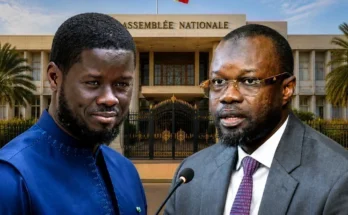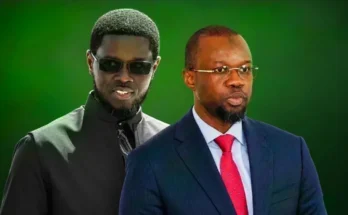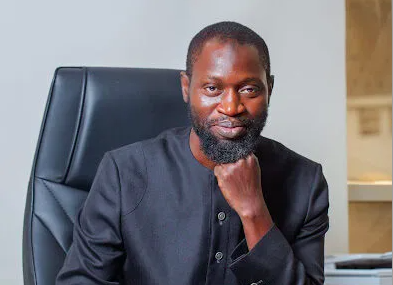
The Managing Director of Senegal’s State Property Management and Exploitation Company (SOGEPA), Elimane Pouye, has firmly rejected assertions that former Prime Minister Ousmane Sonko was the sole recipient of political funds during his tenure. In a published opinion piece addressing the ongoing debate over public fund allocations, he argues that such claims lack factual basis and fail to acknowledge broader budgetary practices.
Pouye emphasizes the importance of examining official budget documents rather than relying on political rhetoric. He points out that Sonko was neither the first nor the only government official to receive political allocations, highlighting that similar funding structures existed under previous administrations. The SOGEPA chief calls for a nuanced discussion, warning against oversimplified narratives that could distort public understanding of state financing.
Analyzing the Prime Minister’s Office budgets for 2023, 2024, and 2025, Pouye notes that the allocation system remained largely consistent across administrations. He attributes minor variations to institutional reorganizations rather than deliberate changes in funding mechanisms. His analysis underscores what he describes as a critical development: Sonko’s unprecedented public acknowledgment of these funds and partial disclosure of their allocation and usage.
This revelation, Pouye suggests, raises legitimate questions about how previous administrations utilized these resources. He contends that the debate should focus on transparency and responsible fund management rather than technical details like daily allocation amounts or frequency. The SOGEPA director advocates for a democratic discussion grounded in verifiable evidence, arguing that constructive dialogue could strengthen Senegal’s democratic institutions and rule of law.
In his piece, Pouye also acknowledges that both the parliamentary majority and the President have publicly addressed the issue. He encourages all stakeholders to engage in substantive debate, positioning this as an opportunity to enhance institutional accountability rather than revive outdated political divisions. The article concludes with a defense of Senegal’s vibrant democratic culture, while criticizing attempts to derail meaningful discussion through divisive tactics.