Tchad: when presidential pardons become a political tool
The recent address by President Mahamat Idriss Déby Itno during Chad’s annual Independence Day celebrations marked a symbolic milestone after years in power. It revealed a classic political communication strategy: blending republican firmness with calculated magnanimity to shape public perception.
By spotlighting corruption and favoritism as undeniable scourges while simultaneously announcing an imminent presidential pardon, the central government deploys a discourse of rupture that obscures deeper political calculations.
Semantic firewalls: condemning flaws to evade accountability
The first layer of manipulation involves appropriating opposition rhetoric. By labeling corruption and embezzlement as “obstacles to development,” the head of state neutralizes systemic criticism. This stance allows him to adopt the mantle of reformer and guardian of public interest, while sidelining the legacy of governance since April 2021.
The promise of “sudden inspections” and sanctions creates the illusion of decisive action, shifting responsibility for structural failures onto anonymous subordinates.
Pardons versus amnesties: the trap of implied guilt
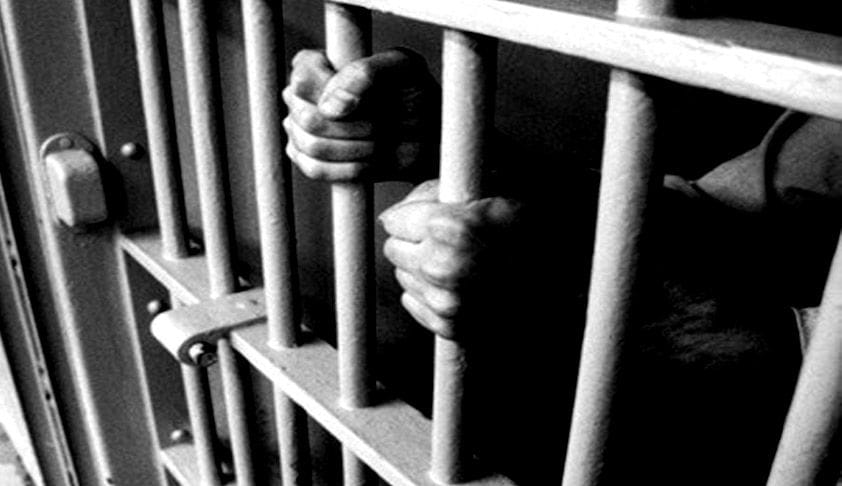
The crux of this political theater lies in the choice of clemency instruments. The announcement of a presidential pardon, framed as a gesture of national reconciliation, is in fact a powerful political tool. Unlike a blanket amnesty, which erases the offense and may allow broader legal rehabilitation, a pardon only suspends the execution of a sentence. The conviction remains intact.
This distinction is critical for the regime. It maintains a sword of Damocles over recipients, whose status as pardoned convicts can restrict future political engagement and undermine their legitimacy as opposition leaders. It also reinforces the president’s supremacy: social peace is not negotiated bilaterally; it is granted unilaterally.
It is a staged triumph in which Mahamat Idriss Déby Itno’s power to forgive implicitly places beneficiaries in a position of indebtedness—or silence.
Unequal treatment and the specter of division
A closer look at this discourse reveals a stark duality in how dissent is managed. Armed movements have at times benefited from amnesty measures in the name of transition and peace, while leaders of peaceful democratic opposition—such as figures from the Transformateurs movement—face criminalization and marginalization under heavy accusations.
This two-tier approach fuels perceptions of favoritism and targeted persecution, risking deeper regional or identity-based divisions rather than fostering the proclaimed national unity.
Contemporary history, including past reconciliation processes, shows that sustainable peace requires inclusive mechanisms, thorough political dialogue, and equitable treatment—not selective acts of clemency.
The gap between rhetoric and social reality
Finally, the enumeration of pressing needs—water, electricity, infrastructure, justice—may come across as a superficial appeal to empathy. Saying “I understand your suffering” acknowledges public distress without committing to measurable targets or clear timelines.
Ultimately, this speech can be seen as a media operation designed to dominate the news cycle through emotion and the appearance of consensus. Beneath its conciliatory tone lies, in this critical reading, a strategy to preserve the political upper hand for the ruling power.