Senegal’s political landscape shaken by Ousmane Sonko’s ethical stand against Bassirou Diomaye Faye
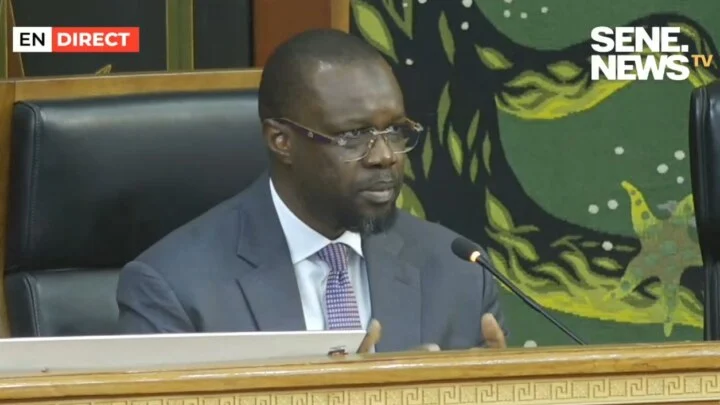
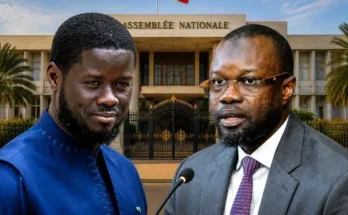
In a philosophical address following his election as President of the National Assembly, Ousmane Sonko exposed the core reasons behind his political break with President Bassirou Diomaye Faye. The former Prime Minister framed the dispute not as a personal rift, but as a fundamental clash over the very essence of governance and public service.
Beyond power struggles: the moral dimension of Senegal’s political divide
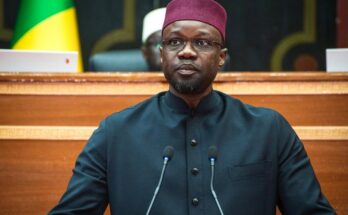
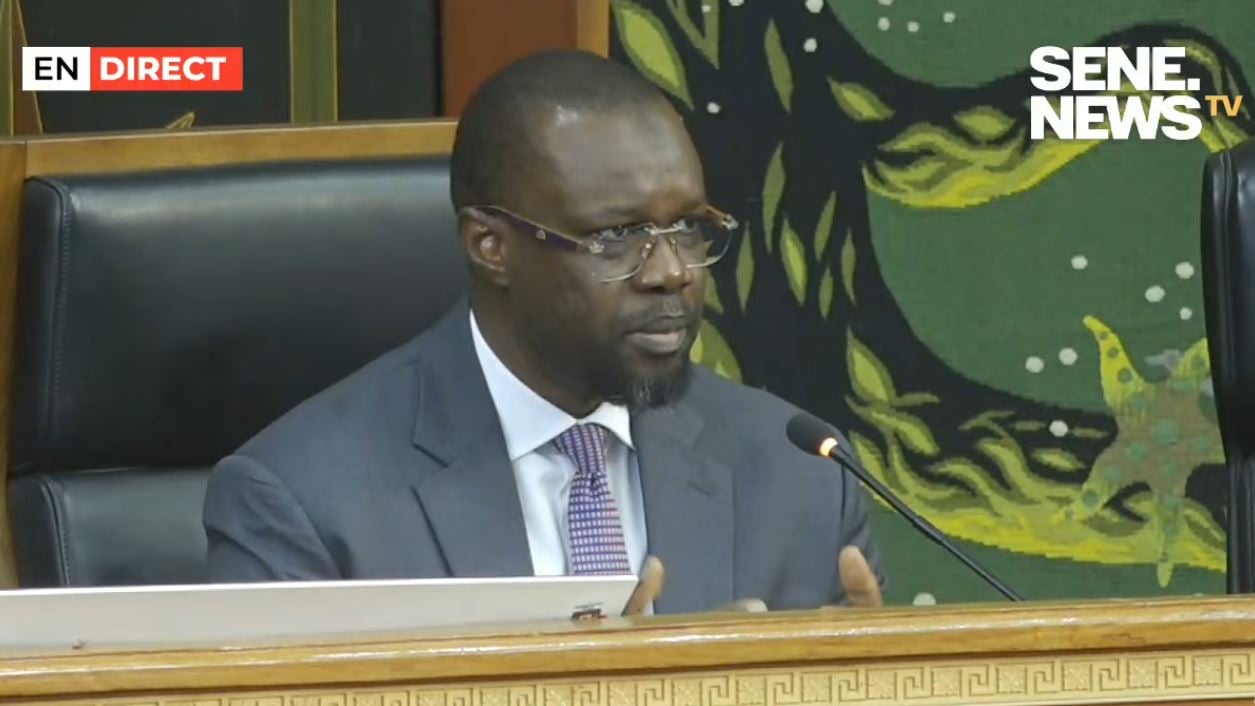
Within days of his removal from the Prime Minister’s office and his ascent to the Assembly’s presidency, Ousmane Sonko delivered a speech laden with historical and philosophical depth. He framed the political rupture with Bassirou Diomaye Faye not as a clash of personalities, but as a confrontation between two fundamentally different visions of leadership and statecraft.
« This isn’t about individuals — it’s about the relationship between morality and politics, » Sonko declared, setting the tone for a discourse that transcended mere political rivalry. Drawing on the philosophy of Aristotle, he reaffirmed his belief that politics, when practiced with integrity, is the highest form of human endeavor — one dedicated to the collective good. His argument pivoted on a stark warning: no nation can endure when its leaders abandon virtue and the pursuit of the common interest.
Revisiting Senegal’s founding principles under Sonko’s lens
Sonko expanded his critique by invoking the legacy of Senegal’s second post-independence leader, Mamadou Dia. He recalled how Dia, in the early years of nationhood, cautioned against the conflation of state authority with private interests. For Sonko, true sovereignty demands more than institutions and symbols — it requires moral, economic, and social integrity. « A country may possess a flag, an anthem, and functioning institutions, yet remain enslaved by practices that drain the Republic of its meaning, » he observed, cautioning against the slow erosion of public ethics across African states.
How moral fatigue threatens Senegal’s democratic foundations
In dissecting contemporary political crises, Sonko introduced a compelling thesis: nations do not crumble solely from material deprivation, but from a deeper « moral fatigue. » When institutions cease serving the people and instead become tools for personal gain or political comfort, the very spirit of the Republic weakens. While avoiding direct accusations, his remarks subtly underscored that his split with the President stemmed from fundamental disagreements over governance ethics and the purpose of power.
This intervention marks a pivotal moment in Senegal’s political dialogue, positioning Sonko not merely as a parliamentary leader, but as a moral voice challenging the trajectory of governance in one of West Africa’s most stable democracies.