As the Tabaski festivities approached, the government in Burkina Faso implemented a significant policy choice: an outright prohibition on cattle exports. This decision aimed to prioritize the affordability for local consumers over the dynamics of the regional market. While the social intentions behind this move appear commendable, it simultaneously conceals profound contradictions and presents a double-edged sword of economic perils.
The purchasing power paradox: urban relief, rural hardship
This measure’s primary contradiction becomes immediately apparent. To appease urban dwellers, particularly civil servants and families in Ouagadougou, the government sought to artificially depress the price of sheep. However, this comes at a considerable cost.
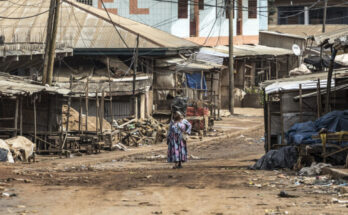
The burden falls squarely on rural livestock breeders. These producers are already grappling with severe insecurity, rampant cattle theft, and dwindling pastures, all exacerbated by the ongoing security crisis in Burkina Faso. By denying them access to lucrative export markets in countries like Côte d’Ivoire and Bénin, where they typically secure better prices, the state significantly diminishes the income of an already highly vulnerable rural population. Essentially, the celebratory spending of city residents is subsidized through the impoverishment of the countryside, a pressing issue in Burkina Faso news today.
The domestic market myth: can Burkina Faso consume it all?
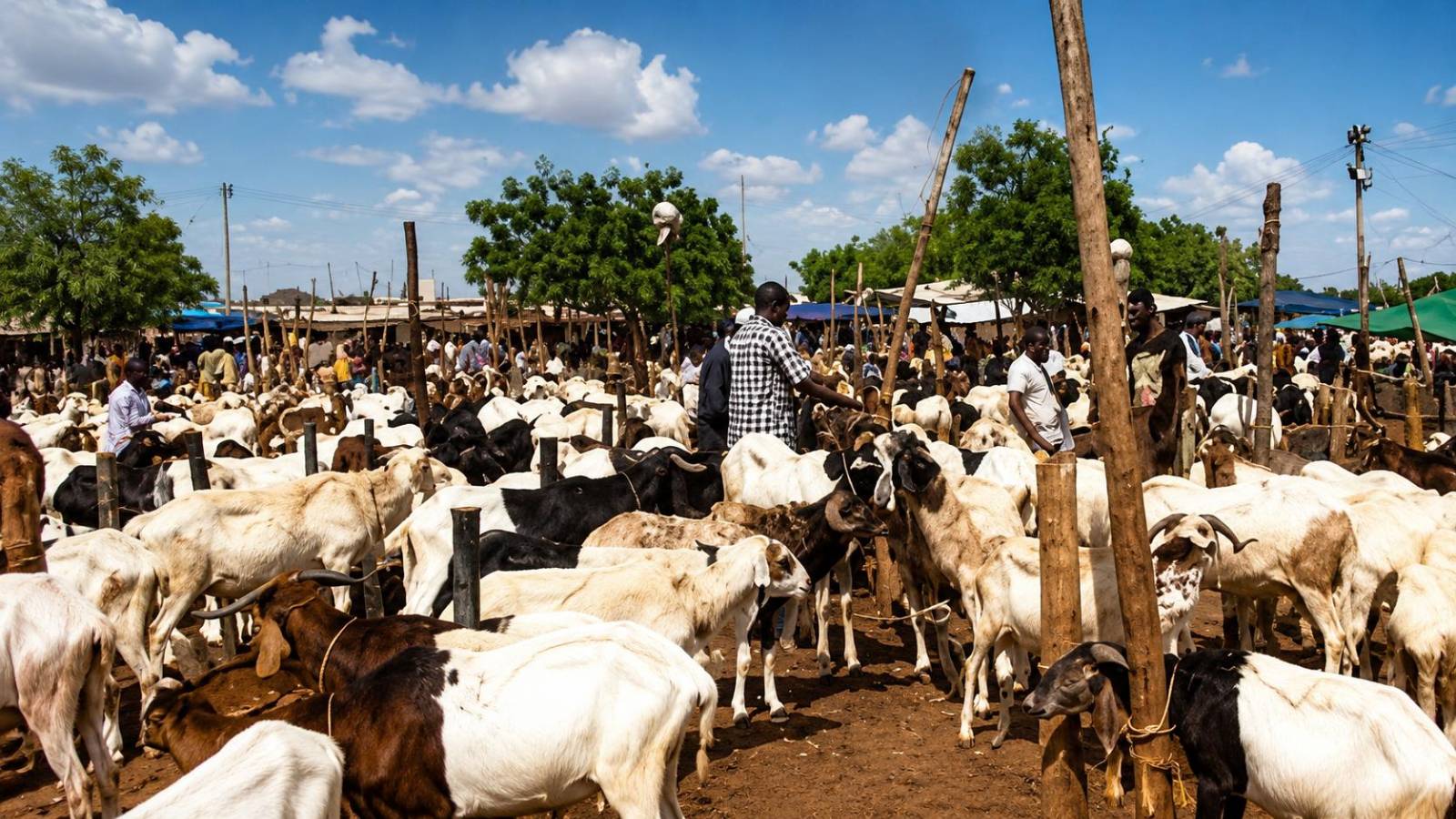
The initial rationale was straightforward: block borders to flood and saturate the national market. Yet, the Burkinabè market possesses inherent limitations. Tabaski represents a singular, time-bound event. Once the holiday concludes, a critical question emerges: what becomes of the inevitable surplus of animals?
Livestock constitutes a living commodity, incurring daily feeding expenses. Should breeders fail to find buyers within Burkina Faso, or be compelled to sell their animals at a loss, the entire sector faces financial asphyxiation within a matter of months. While the state’s long-term vision to process meat domestically through modern abattoirs is a sound strategy, current infrastructure is simply not equipped to absorb such a massive volume instantaneously. This is a critical point for Faso breaking news regarding economic policy.
Geopolitical ramifications: widening rifts with coastal nations
This decision underscores Burkina Faso’s willingness to sever regional economic ties in pursuit of perceived sovereignty. By halting the flow of livestock to Côte d’Ivoire or Bénin, Ouagadougou is effectively leveraging its national herd as an instrument of economic pressure. This move sends a clear message across West Africa Burkina.
However, trade operates on a reciprocal basis. If Burkina Faso obstructs its exports, it inevitably prompts its neighbors to seek alternative supply chains. Côte d’Ivoire, for instance, is already exploring options with Mauritania. In the long run, Burkina Faso risks permanently forfeiting valuable historical markets. Furthermore, this situation exposes the inherent limits of regional integration, where the immediate pursuit of self-sufficiency appears to override established West African commercial agreements. From a macroeconomic standpoint, this represents an exceptionally risky gamble that weakens breeders, jeopardizes the future of the livestock sector, and further isolates the nation from its natural economic partners.