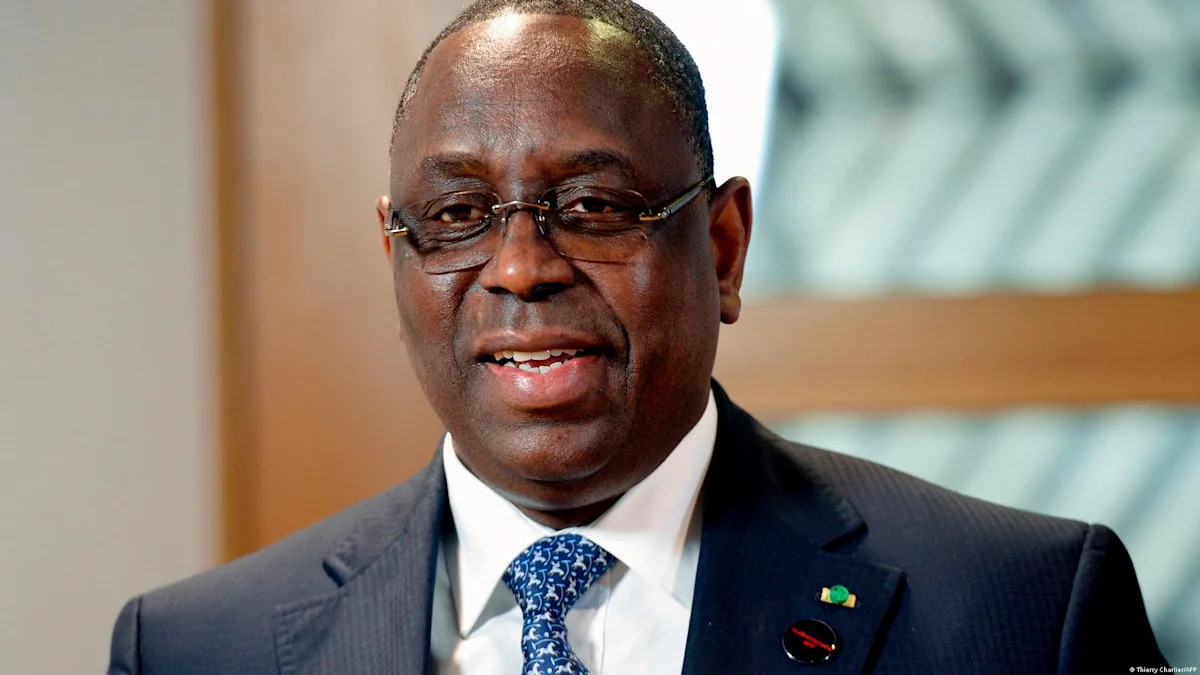
Senegal political tensions rise over Diomaye Faye and Macky Sall meeting
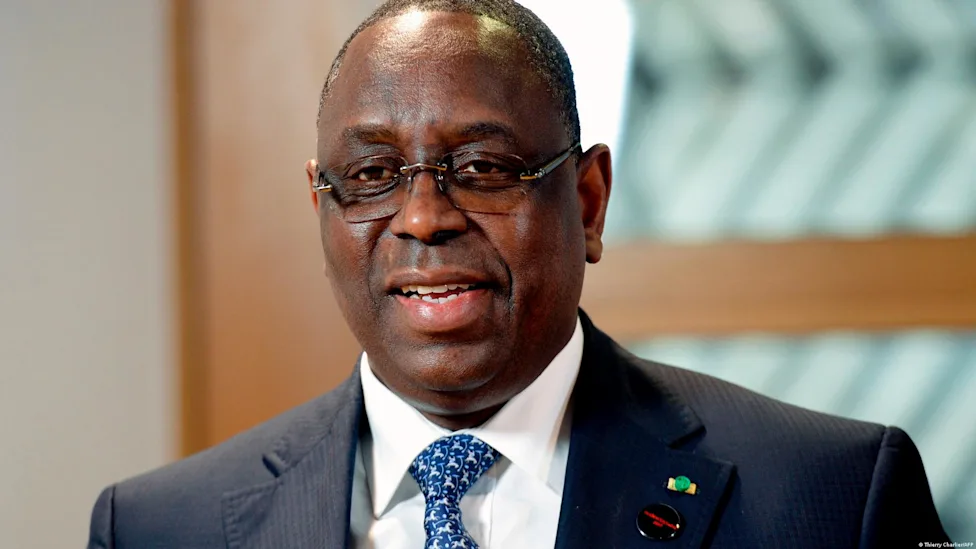
In Senegal, the scheduled meeting between President Bassirou Diomaye Faye and his predecessor Macky Sall has sparked outrage among families of victims of political repression during Sall’s tenure. These families argue that the visit occurs while they continue to await justice and reparations.
What lies behind this controversy? How might this meeting impact Senegal’s political landscape? To address these questions, political analyst Assane Samb weighs in. He first examines the significance of this encounter within Senegal’s current political context.
Exclusive interview with Assane Samb
Assane Samb: This meeting was anticipated, despite the vocal opposition it has provoked.
Given his candidacy for Secretary-General of the United Nations, it became impossible for his bid to gain backing from African nations, including Burundi. With the President of China playing a pivotal role, compromises were inevitable.
Why does this meeting generate such strong reactions from victims’ associations and civil society?
The answer lies in the turbulent period between 2021 and 2024. The clashes between protesters and security forces during that time fueled a revolutionary spirit among the population.
Is the president facing a dilemma between diplomatic imperatives and justice for victims?
When he was still associated with the Pastef movement, he hesitated to openly support Macky Sall. Now that he has distanced himself from that stance, he no longer does so.
Could Macky Sall’s UN Secretary-General bid further polarize Senegal’s political debate?
Beyond the victims’ grievances, concerns stem from fears of Sall’s political return. Many dread the potential ramifications of such a comeback.
What impact could this meeting have on national reconciliation and Senegal’s international standing?
Internationally, the meeting is likely to be well-received, particularly by African heads of state. Domestically, however, the political landscape may grow increasingly polarized.