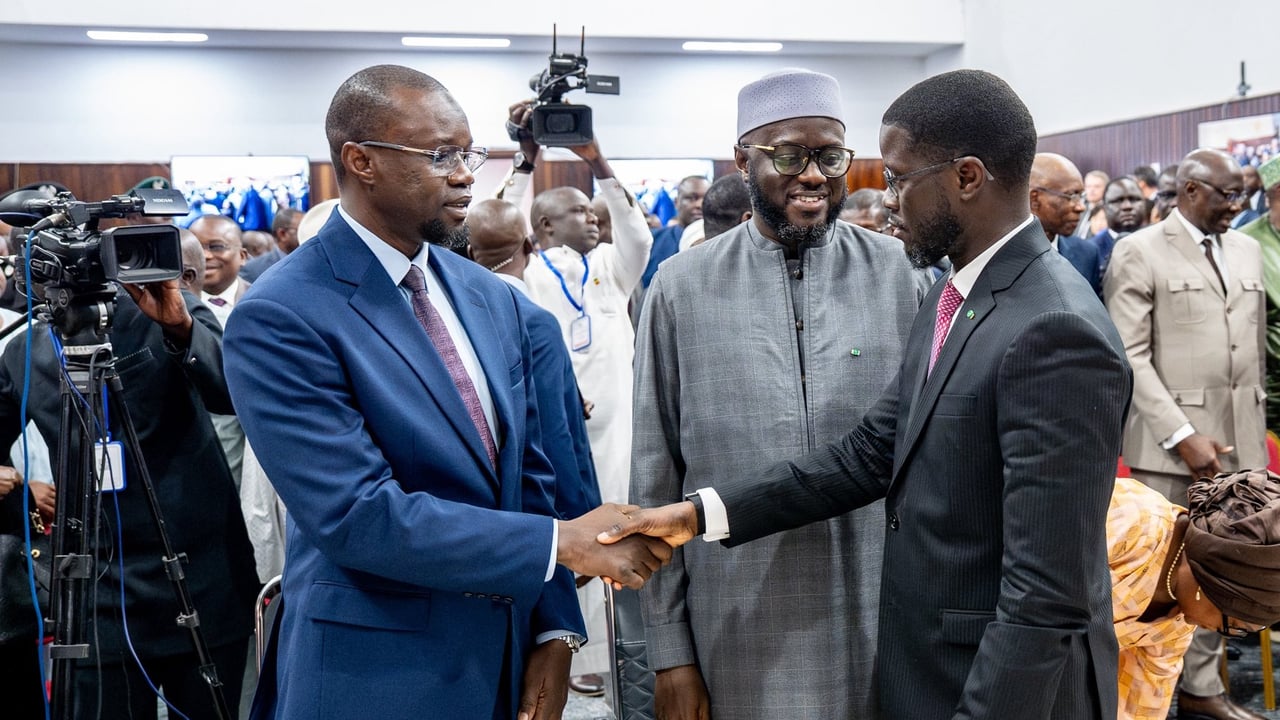
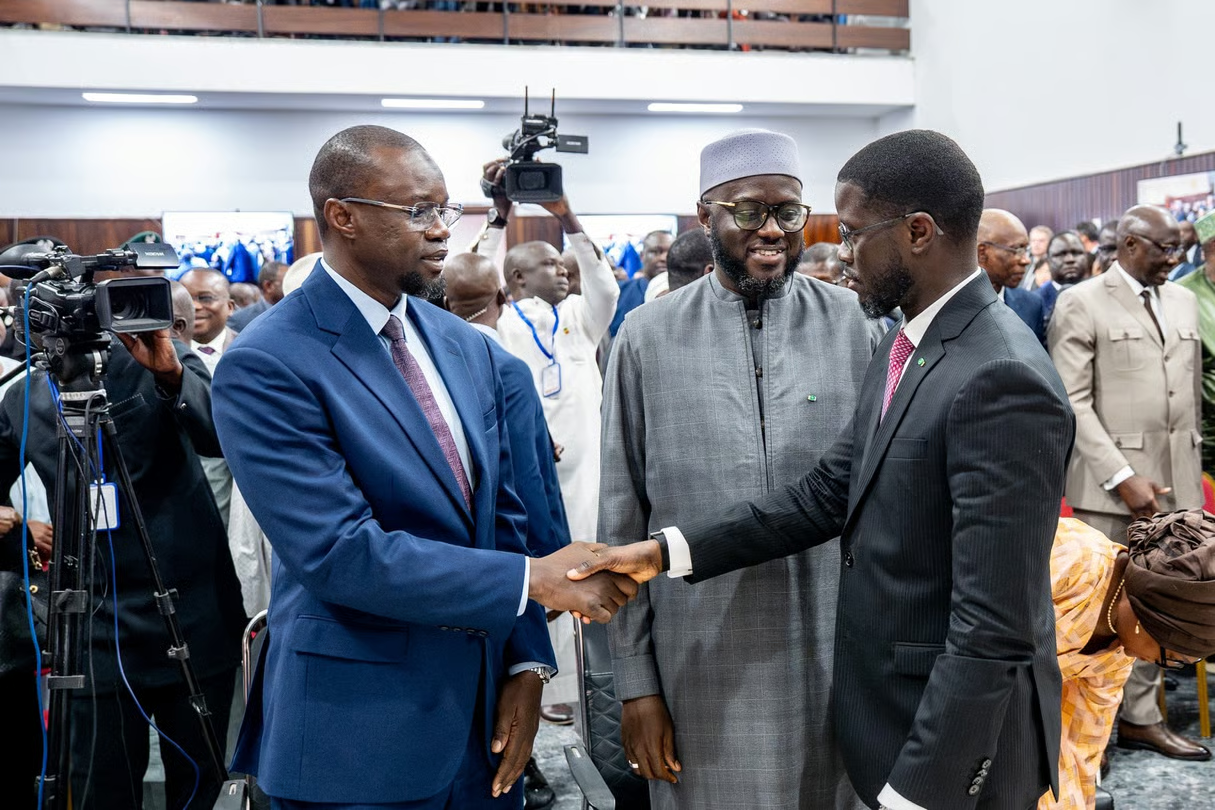
Dakar witnessed a major political shift as President Bassirou Diomaye Faye announced the immediate termination of Ousmane Sonko’s duties as Prime Minister of Senegal. This unexpected decision marks a significant turning point in the country’s governance landscape.
Consequences of the dismissal on Senegal’s political scene
President Bassirou Diomaye Faye’s decision to relieve Ousmane Sonko of his position as Prime Minister sends a clear signal about the evolving priorities of the Senegalese government. Sonko, a prominent political figure, has been at the forefront of national discussions, and his removal reshapes the power dynamics within the administration.
Reasons behind the sudden change
The move has sparked widespread speculation about the underlying factors driving this decision. While official statements have not provided detailed explanations, insiders suggest that strategic realignments and policy adjustments may have played a role in the president’s choice.
Next steps for Senegal’s leadership
The void left by Sonko’s departure raises questions about the future direction of Senegal’s governance. President Faye is expected to appoint a successor promptly to maintain stability and continuity in the country’s leadership. The political community and citizens alike are closely watching for further developments.
Public and political reactions
Reactions to the announcement have been varied. Supporters of both leaders have voiced their opinions, with some expressing confidence in the president’s decision while others remain cautious about the implications. Political analysts are dissecting the move, emphasizing its potential impact on upcoming policies and national cohesion.
The dismissal underscores the fluid nature of Senegal’s political environment and highlights the challenges leaders face in balancing diverse interests. As the nation adapts to this change, the spotlight remains on President Faye and his next steps.