A handshake in Bamako that says more than any communiqué
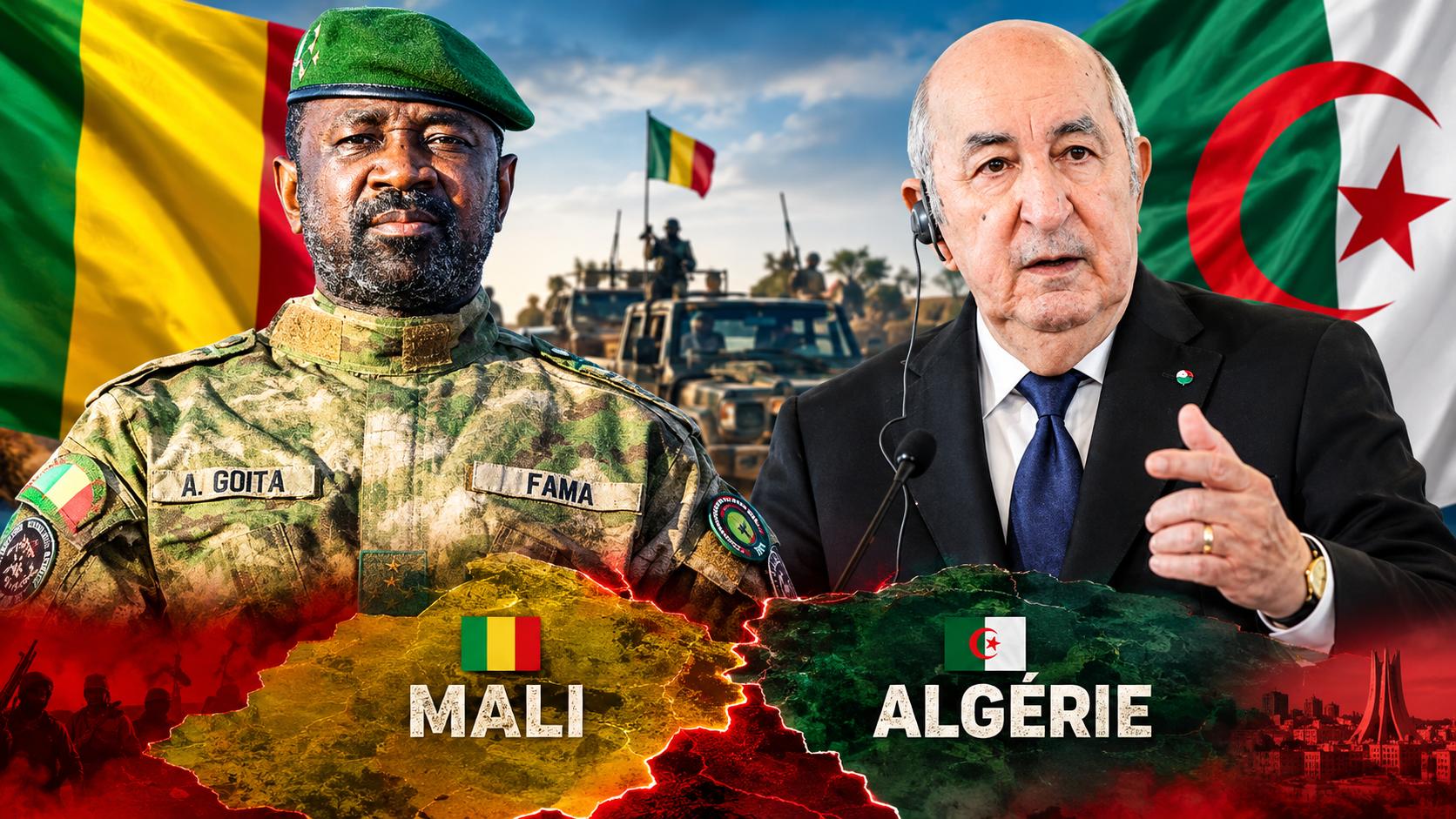
Algeria’s Prime Minister Sifi Grine arrived in Bamako this Monday for an official visit, standing shoulder to shoulder with the man who runs Mali, army general Assimi Goïta. The choreography was polished, the handshakes warm, the speeches carefully worded. Yet the scene at the Koulouba palace told a more complicated story than the official line about two Sahelian neighbours drawing closer.
On paper, the agenda covered tighter bilateral ties, security cooperation and fresh momentum for economic exchanges in a region under constant pressure. In practice, this was a diplomatic reset staged over the wreckage of one of the worst spells in Algerian-Malian relations in years.
Why Algiers chose this moment to move
For Algerian diplomacy, the trip fits a clear pattern: reasserting influence in its southern backyard after a period in which that influence was openly questioned. For Bamako, parading a heavyweight diplomatic partner offers a way out of deepening international isolation.
Neither side is acting out of affection. Both are acting out of necessity, and both know it.
The accusations Bamako would rather forget
Only months ago, the military government in Bamako was firing off some of its sharpest rhetoric at Algiers. In a sovereigntist surge that became its trademark, the junta accused its northern neighbour of meddling in Mali’s internal affairs.
The grievances were repeated loudly and often: Algeria was said to be hosting Malian opposition figures and influential religious leaders, and, more seriously, to be backing the autonomy-seeking rebel groups in the north. By framing Algiers as a sponsor of “hostile acts” hidden behind the language of peacemaking, the junta found an external scapegoat to explain a security situation that kept deteriorating on its watch.
A partnership built on convenience, not conviction
What was celebrated this Monday looks less like a sincere alliance than a marriage of convenience under duress. Bamako has burned bridges with its traditional Western partners and is navigating uncertain regional arrangements, leaving it hungry for new diplomatic backing.
Algiers, for its part, cannot afford a permanent zone of instability along its southern border, where militant networks and cross-border trafficking thrive. The Grine-Goïta meeting is therefore an exercise in hard pragmatism: preserve appearances, avoid the point of no return, and leave the deep mutual distrust untouched.
The 2015 peace framework that never really went away
Algeria still holds a strategic card in this quiet tug of war. Long seen as the Sahel’s security gatekeeper and indispensable mediator, it shaped the region’s peace agenda for years, most notably through the 2015 Algiers Accord.
When the junta unilaterally denounced that agreement in early 2024, it believed it was asserting sovereignty and casting off outside tutelage. The ground reality proved otherwise. Walking away from the Algerian negotiating framework brought neither peace to northern Mali nor an end to the security threat.
By returning to Bamako now to press its terms and restart dialogue, Algiers is making a point about its own centrality: Bamako may try to ignore Algerian diplomacy, but it always ends up having to deal with it.
What the visit does not fix
The protocol gives General Goïta a welcome media breather, but it resolves none of the underlying problems. The junta continues to base its legitimacy on security rhetoric while indefinitely postponing any return to democratic constitutional order.
Without genuine movement toward internal political stability and a sincere reading of regional balances, the pledges made during this encounter risk amounting to little more than communication. Behind the diplomats’ smiles and the pressed uniforms, Bamako and Algiers remain on mined ground, each waiting for the other to stumble.