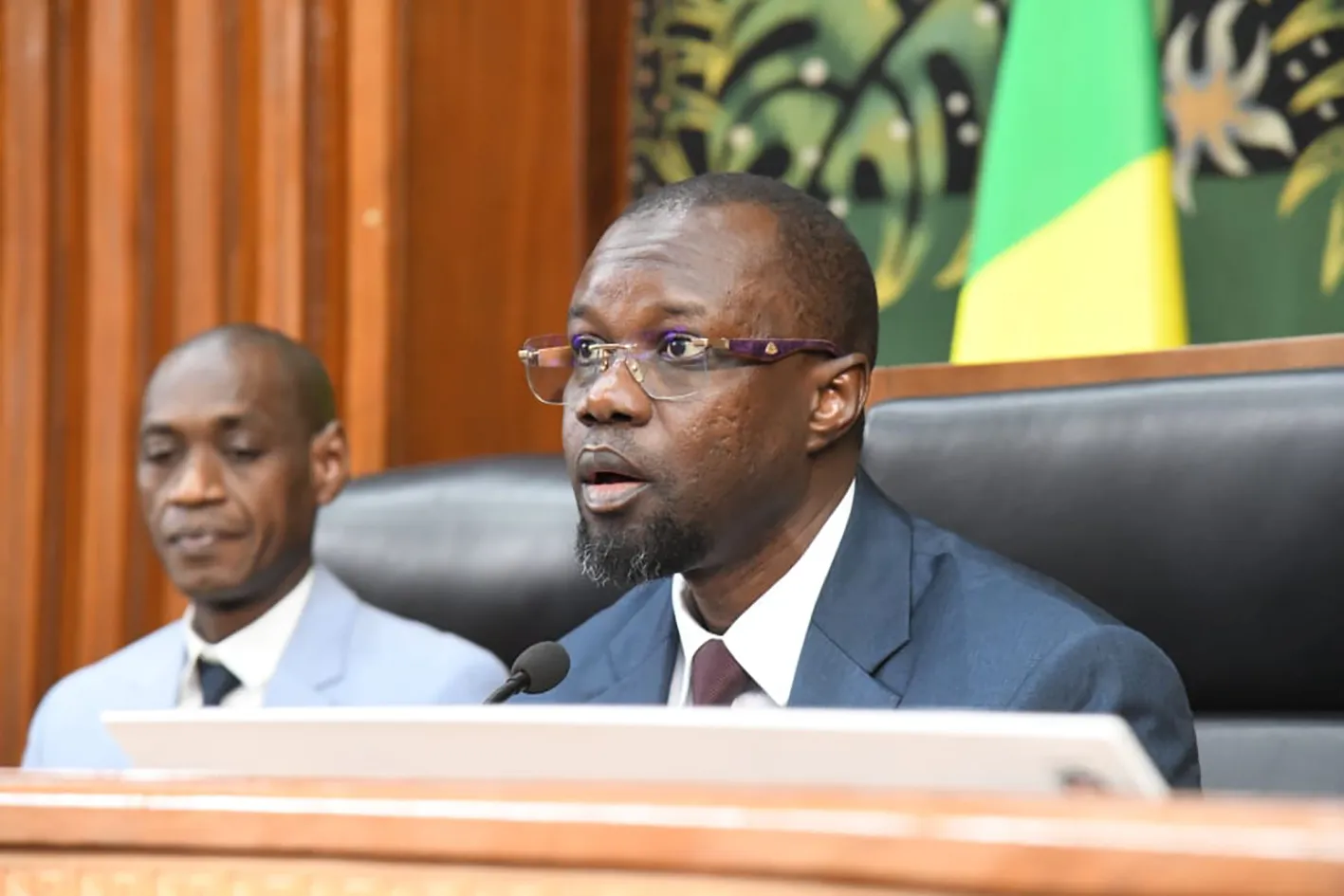
In a decisive address to legislators during a plenary session focused on labor and social security code revisions, Ousmane Sonko, President of Senegal’s National Assembly, firmly refuted allegations of an ultimatum directed at the President of the Republic. The political storm surrounding the ongoing constitutional reform process has been definitively quelled by his categorical denial.
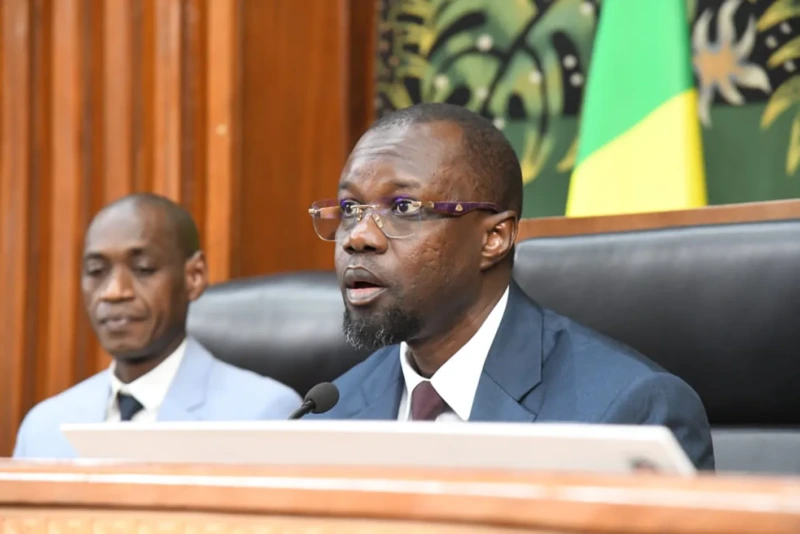
With unwavering clarity, Sonko declared, « It’s false; no ultimatum was ever issued to the president », dismantling speculation of institutional tension or undue pressure on the executive branch. His remarks were a direct response to political interpretations suggesting a confrontation between legislative and presidential powers during the reform process.
The National Assembly leader emphasized that the constitutional revision initiative adheres strictly to parliamentary prerogatives, as outlined by the Constitution and reinforced by the Constitutional Council’s jurisprudence. He highlighted a landmark 2006 ruling affirming parliament’s authority to advance constitutional amendments with a three-fifths majority, underscoring the legitimacy of the ongoing proceedings.
Institutional harmony, not conflict
Sonko dismissed claims of a crisis at the highest levels of government, framing the process as a normal exercise of constitutional dialogue. « There is no crisis between state powers—only the ordinary functioning of institutions, » he asserted. Each branch, he noted, operates within its defined jurisdiction under the oversight of the Constitutional Council, eliminating any possibility of institutional overreach.
The Assembly President rejected assertions that the reform amounted to coercion or encroachment on executive authority. « Those expecting a fracture at the heart of the state will have to look elsewhere, » he concluded, reaffirming that the constitutional revision will proceed in strict accordance with legal frameworks, irrespective of the executive’s formal stance. The path forward, he stressed, remains one of stability and juridical precision.