Ceuta border crisis: spain urges eu to avoid blaming Morocco
EU shifts focus to disinformation campaigns instead of confronting Rabat on migration surge
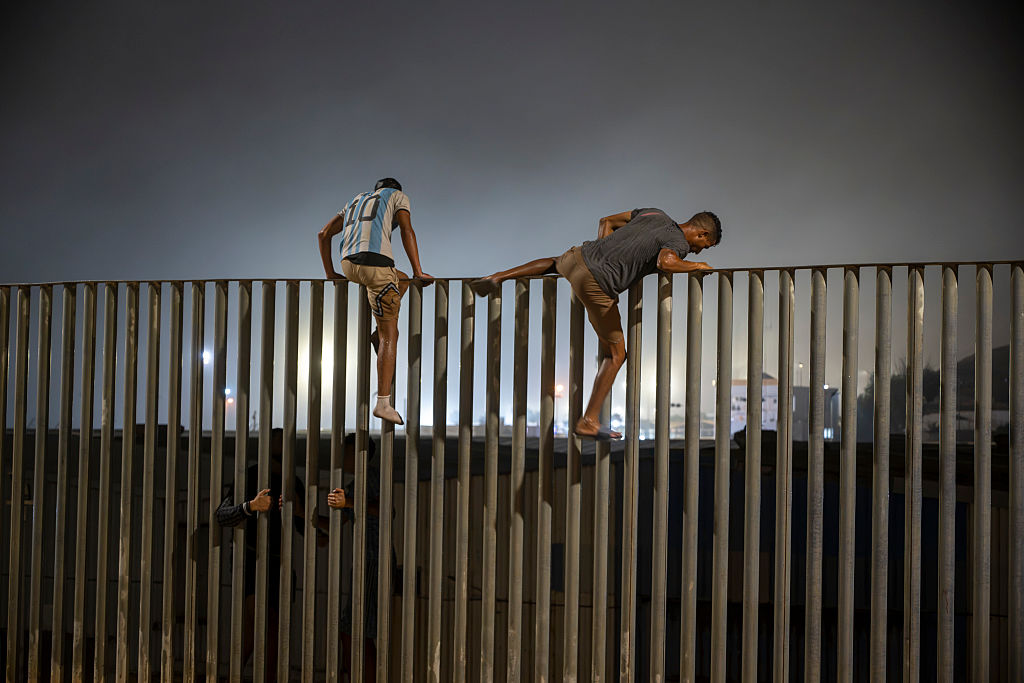
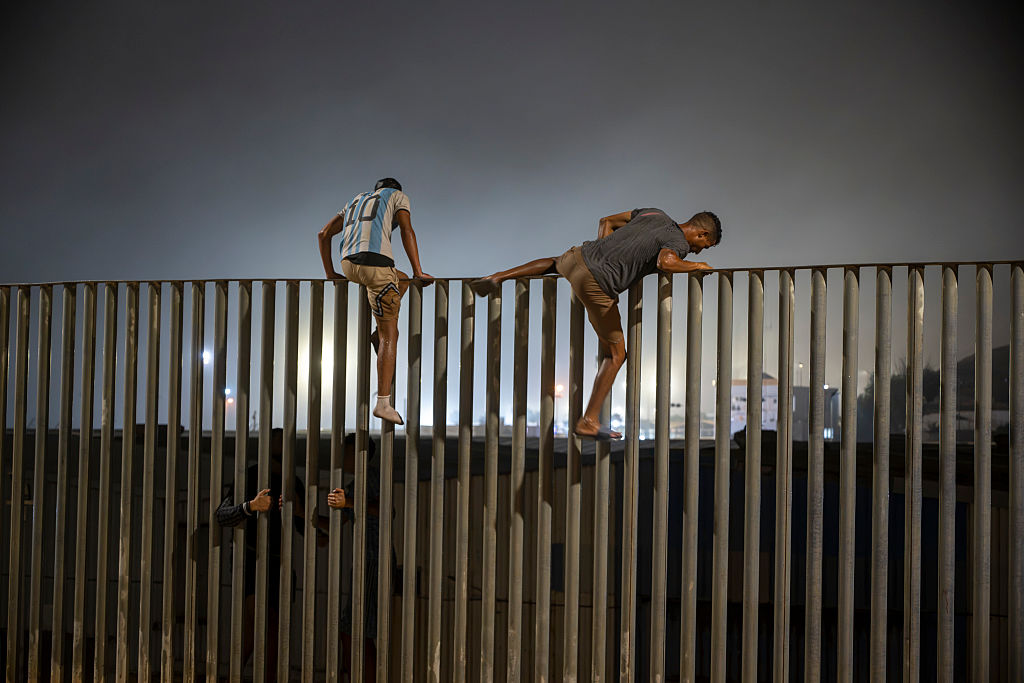
Spanish authorities have privately urged European counterparts to refrain from publicly criticizing Morocco over its role in the sudden influx of 72,000 migrants into Ceuta, a Spanish enclave in North Africa, during an online meeting of interior ministers. The unprecedented surge occurred in an exceptionally short timeframe, raising questions among EU officials about border control mechanisms.
Madrid’s appeal highlights Spain’s strategic interest in maintaining strong relations with Morocco, a key partner in managing future migration flows to Europe. The North African nation also plays a critical role in counter-terrorism efforts and intelligence sharing with the EU.
During a press briefing on Tuesday, Spanish Interior Minister Fernando Grande-Marlaska emphasized that attributing blame may not be constructive, stating, « There isn’t necessarily someone to blame. » The Spanish government has notably refrained from openly criticizing Rabat, despite subtle hints from the Defense Ministry.
According to a Western government source, Morocco likely tacitly approved the influx toward Ceuta, with the move possibly serving as a political signal to Madrid. The situation was further complicated by viral social media claims—later debunked—that Spain’s Supreme Court had barred authorities from conducting immediate forced returns of irregular migrants arriving by sea at Ceuta and Melilla.
Western officials also noted that Russian-linked disinformation networks reacted rapidly and at scale to the unfolding events at the Spanish-Moroccan border.
German Chancellor Friedrich Merz publicly called on Morocco to take responsibility and repatriate the migrants, while other EU leaders avoided directly addressing Rabat’s role. Analysts and media reports questioned how such a large-scale movement could occur without at least a temporary easing of Morocco’s typically stringent border controls.
Ursula von der Leyen, President of the European Commission, reiterated the principle that migrants should not be used as political leverage against the EU—without explicitly naming Morocco. She suggested the possibility of increased financial support to Rabat, as Brussels considers deepening ties with Morocco.
EU’s focus shifts to disinformation and smugglers
Rather than confronting its key partner, the European response has pivoted toward combating disinformation and addressing the role of human traffickers, whose narratives were amplified across social platforms. This narrative aligns with Morocco’s own public statements. On Sunday, Interior Ministry spokesperson Rachid Khalfi attributed the crisis to the « exploitation of the digital space, » which falsely portrayed entry into Europe via Ceuta as risk-free and consequence-free.
Morocco also blamed Spain’s judicial decision for sparking the misinformation, arguing that Madrid should have anticipated the fallout.
Magnus Brunner, EU Commissioner for Migration, announced on Tuesday that Europol is investigating potential disinformation campaigns linked to the crisis. EU ambassadors and interior ministers this week discussed the role of false narratives, agreeing on the need for enhanced intelligence sharing.
The European External Action Service has begun assessing whether Russian actors sought to exploit the situation for geopolitical gain on social media, according to informed sources. Meanwhile, Frontex, the EU’s border agency, is considering expanding its mandate in an upcoming Commission review to monitor disinformation spreading on digital platforms.
However, no clear evidence of a coordinated campaign prior to the events has been established.