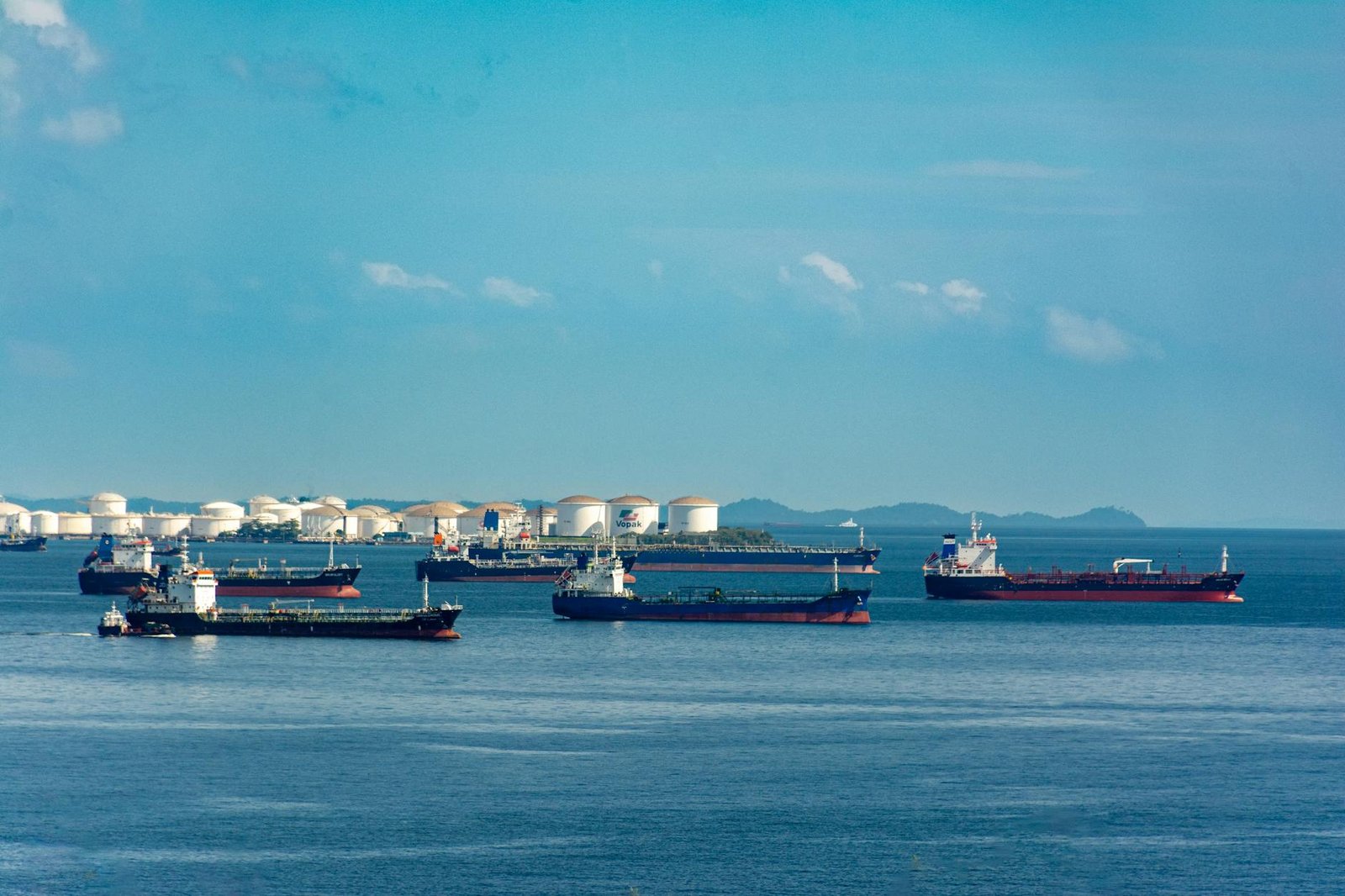
Commodity trading giant Gunvor is once again under criminal investigation in Switzerland, this time concerning an oil contract with Gabon valued at approximately one billion dollars. The federal public prosecutor’s office is examining the conditions of the contract’s award and the intricate financial arrangements surrounding the agreement for Gabonese crude oil shipments. Geneva remains a global hub for hydrocarbon trading, and several major players based there have faced corruption allegations related to African deals in recent years.
Renewed scrutiny on gabonese crude sales
The contract under investigation by Swiss authorities involves Gabonese oil shipments approaching a billion dollars, based on public information. Swiss magistrates are working to determine if intermediaries received commissions intended to influence Gabonese authorities in granting the lucrative market. Gabon, Africa’s twelfth-largest crude producer with approximately 200,000 barrels per day, remains heavily reliant on these oil sales for its national budget revenue.
The scrutinized transaction dates back to a period when Libreville was actively seeking to diversify its buyers and rapidly monetize its production. So-called pre-financing contracts, where a trader advances funds in exchange for future deliveries, have become common practice in African oil economies, often made vulnerable by fluctuating prices. These inherently opaque arrangements are now increasingly attracting the attention of European and North American regulators.
Gunvor, a repeat offender under swiss judicial review
For the Geneva-based group, this new case emerges while it is still grappling with its past African liabilities. In 2019, Gunvor was previously fined nearly 94 million Swiss francs by the public prosecutor’s office for organizational deficiencies linked to corruption cases in Congo-Brazzaville and Côte d’Ivoire. The company had committed to strengthening its internal compliance procedures under pressure from its banking partners and institutional stakeholders.
The recurrence of these legal proceedings raises questions about the actual effectiveness of the control mechanisms adopted since the previous conviction. Swiss authorities, long criticized for their leniency towards trading giants, have significantly toughened their stance. The establishment in 2020 of corporate criminal liability for failing to prevent corruption has expanded the scope of action for the federal public prosecutor. The trading sector, which accounts for roughly 4% of Switzerland’s GDP, has become a priority area for this stricter enforcement policy.
Libreville faces renewed international pressure
For Gabonese authorities, this case comes at a sensitive juncture. The new administration, installed after the 2023 transition, has emphasized the traceability of oil revenues as a key legitimizing argument. The Gabonese Refining Company and the national oil company Gabon Oil Company are being urged to clarify the commercialization channels inherited from the previous decade. Formal cooperation with Swiss justice, if initiated, would offer Libreville an opportunity to demonstrate a clear break from past practices.
However, the stakes extend beyond a bilateral framework. The Extractive Industries Transparency Initiative (ITIE), which Gabon has rejoined, closely monitors the publication of crude oil lifting contracts. Multilateral lenders, particularly the International Monetary Fund, condition their support on improved governance within the hydrocarbon sector. Documented allegations against Gabonese intermediaries could significantly impact ongoing discussions surrounding a new program.
Within the Swiss trading community, the repercussions could spread further. Several Gunvor competitors, already targeted by investigations for similar activities in Angola, Nigeria, or the Republic of Congo, will closely monitor the legal classification adopted by the magistrates. The potential confiscation of illicit profits, which could amount to tens of millions of dollars in comparable cases, remains a powerful deterrent. The Swiss investigation is now formally open and could see further developments in the coming months.