Displaced families struggle with Tabaski celebrations in Bamako
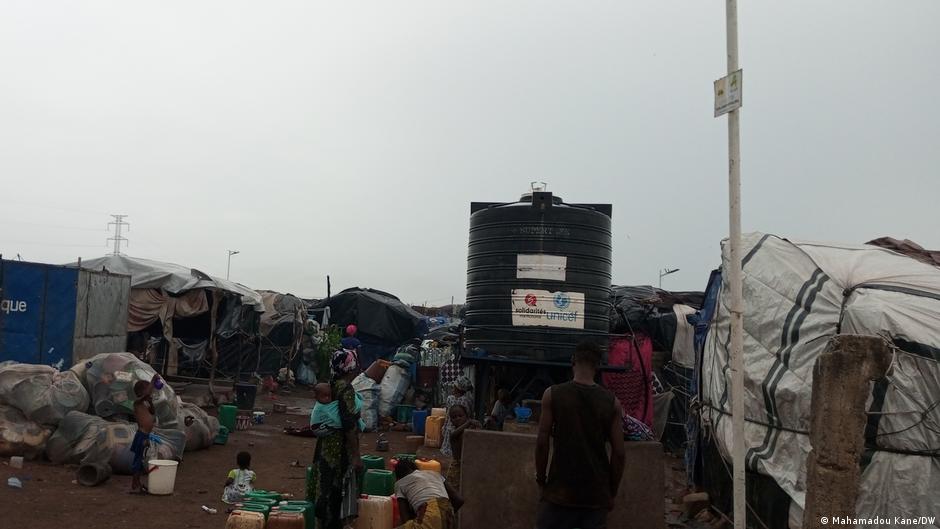
In Bamako, families displaced from the Faladiè market are preparing for Tabaski under harsh conditions, months after the site was evacuated. The informal camp, once home to hundreds, now stands largely in ruins, leaving residents without adequate shelter or resources for the holiday.
The Centre amis des enfants, a makeshift educational space within the camp, has become a temporary refuge for some of the most vulnerable. Aminata, a mother of four who fled violence in Bankass in 2019, shares the struggles of displaced families awaiting relocation.
“The lack of a suitable replacement site affects us deeply. Beyond healthcare, we urgently need food—rice, oil, and even festive clothes for our children,” she explains, her voice reflecting the strain of prolonged uncertainty.
Lost livelihoods and dashed hopes
Nearby, 14-year-old Fousseyni and 15-year-old Oumar watch as a sheep is butchered. Once earning a living by selling livestock and transporting cattle, the boys now struggle to find work. The absence of their usual income casts a shadow over Tabaski, a time traditionally marked by trade and celebration.
“Last year at this time, we were selling animals and handling transactions. We made good money. Now, we’re just waiting, hoping for scraps of work,” Fousseyni admits, his tone heavy with resignation.
Humanitarian efforts amid unmet needs
Under the watch of Mali’s National Directorate of Social Development and local and international aid groups, efforts continue to support displaced children and families in the Faladiè area. However, with no designated relocation site in sight, the 300 families displaced in April remain in limbo, their future uncertain as Tabaski approaches.
Their plight underscores the broader challenges faced by internally displaced persons in Mali, where displacement crises persist against the backdrop of ongoing instability.