There is a firm, shared conviction that the security and stability of the African continent are inseparably linked to the prosperity and security of Maroc.
This vision transcends conventional security frameworks, moving toward a holistic strategy that integrates institutional development with high-level intelligence cooperation. This cements Rabat as a pivotal regional force, adept at addressing the security gaps often exploited by transborder threats.
Geopolitical challenges and the rise of asymmetric warfare
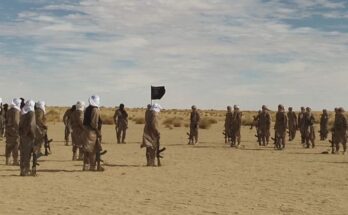
Alongside its leadership role, the region faces the harsh reality of asymmetric warfare, which demands constant vigilance. Extremist organizations frequently manipulate political divisions and porous borders across the Sahel and Sahara regions to secure funding and recruit new members.
Inter-agency coordination in counter-terrorism is essential; a unified African perspective is now a requirement to counter the dangerous nexus between armed factions and organized crime networks. This is particularly vital as these threats migrate into digital spaces, utilizing advanced technology to undermine regional peace.
Current geopolitical challenges require nuanced analysis that goes beyond surface-level observations. The risks facing several nations on the continent demand a Moroccan response deeply rooted in history, geography, and current political dynamics. Through this approach, Maroc supports African nations by fostering pathways for sustainable development and security, offering a strategic model that balances growth with robust surveillance.
The Moroccan strategic model: a sovereign and comprehensive doctrine
The strength of the Moroccan approach lies in its ability to synthesize security, scientific, spiritual, and developmental dimensions. This proactive stance effectively dismantles threats before they can gain ground, establishing the Marrakech Platform as a vital laboratory for formulating an independent African security doctrine.
Rabat rejects imported security solutions that have historically failed in the continent’s complex environments. Instead, it promotes a continental model based on the integration of field intelligence, spiritual guidance, and comprehensive human development. The kingdom’s involvement is driven by the firm belief that Afrique is a continent to which it belongs through geography, identity, politics, and history.
Diplomatic and institutional momentum
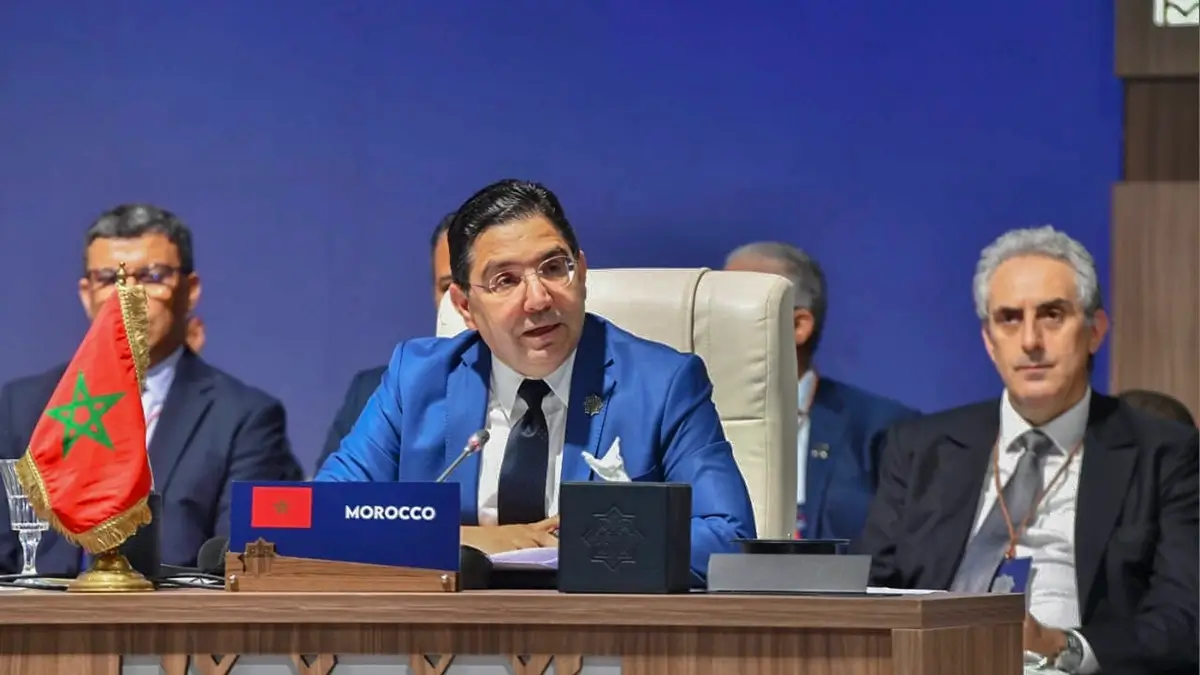
This dynamic diplomatic action is guided by royal directives. Nasser Bourita, Minister of Foreign Affairs, African Cooperation, and Moroccan Expatriates, plays a central role in translating this vision into tangible results.
Bourita utilizes skilled diplomacy to turn the Marrakech Platform from a dialogue forum into an executive tool that goes beyond traditional protocols. His persistent efforts provide a vigorous push to Moroccan security diplomacy through continuous coordination with regional and international partners, ensuring that security measures align with the development and sovereignty agendas of African states.
This establishes Rabat as a diplomatic hub capable of managing complex security files with precision, independent of agendas that do not align with the continent’s stability.
Socioeconomic development and spiritual diplomacy
The nation’s strategic thinking recognizes that durable stability depends on providing African states with economic foundations that offer real alternatives to their populations. Major infrastructure projects, such as gas pipelines and Atlantic initiatives designed to facilitate Sahelian access to the ocean, work in tandem with security efforts to build a solid block of regional stability.
The spiritual and educational dimension serves as a soft-power tool with long-term impact, immunizing African societies against extremist ideology. The institution of “Imarat al-Mu’minin” is crucial in protecting the religious landscape and spreading values of moderation. Religious institutions, notably the Mohammed VI Foundation of African Oulema, help train African cadres to dismantle radical narratives through the lens of moderate Islam—a hallmark of the Moroccan experience.
Consolidation of the Marrakech Platform and future outlook
The success of the Marrakech Platform in establishing these doctrinal foundations reduces the influence of external powers seeking to destabilize the continent. Maroc is laying the cornerstone for an African security architecture where stability is a sovereign commitment upheld by African states themselves.
Since its inception in 2022, the Platform has convened heads of counter-terrorism agencies across Africa, ensuring continuity through gatherings in Marrakech (2022), Tangier (2023), Fes (2024), and Agadir (2025). These meetings have become essential for sharing expertise and strengthening regional cooperation.
Ultimately, Maroc remains a compass for the continent, guiding it toward a secure, prosperous, and independent future. By turning Moroccan initiatives into tangible achievements, the kingdom protects the sovereignty of African states and their interests against growing asymmetric threats, utilizing the Atlantic dimension as a corridor for economic integration and a bulwark against destabilization.