In the intricate tapestry of West African geopolitics, a familiar pattern often emerges: those who sow discord frequently find themselves reaping its bitter fruits. While regional chancelleries remained focused on the financial and logistical fallout of a thwarted plot in Cotonou, where the fingerprints of the Niamey regime and its staunch allies were strongly implicated, the repercussions were swift and dramatic. On the night of August 28-29, the very heart of General Abdourahamane Tiani’s power in Niamey trembled under the rattle of automatic weapons and the roar of artillery. A tragic irony, yet one rooted in absolute political logic.
The Niamey-Lomé-Ouagadougou axis: exporting instability
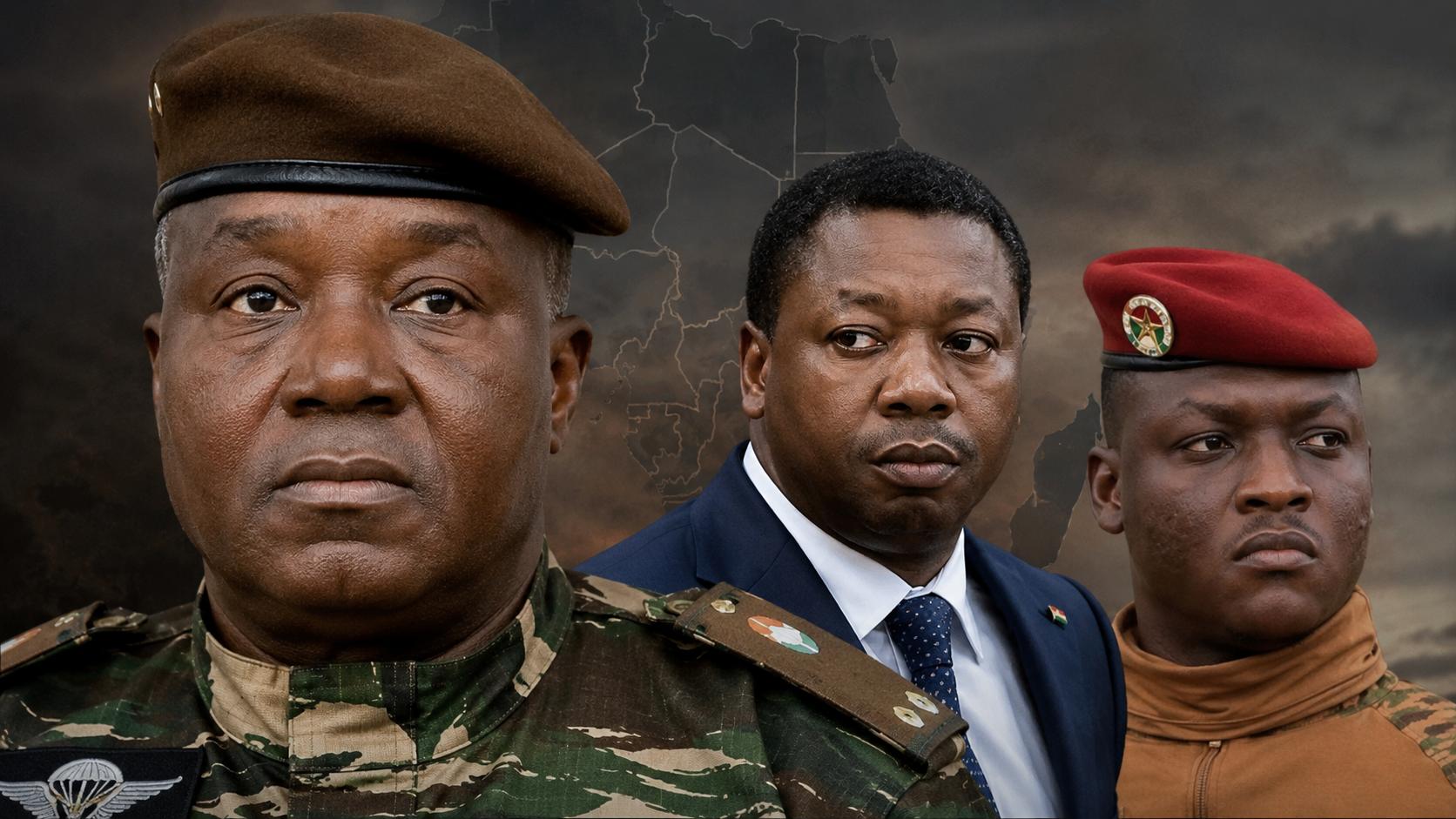
For months, the National Council for the Safeguard of the Homeland (CNSP) in Niamey had sought to shore up its own vulnerabilities by forging a strategic and financial alliance with Captain Ibrahim Traoré in Burkina Faso and Faure Gnassingbé in Togo. By actively collaborating with Ibrahim Traoré and Faure Gnassingbé to allegedly fund destabilization attempts in neighboring Bénin, the Tiani regime seemingly believed it could export its internal contradictions and neutralize a perceived problematic neighbor. This approach also impacts regional stability, a key concern in recent Burkina Faso news today and Faso breaking news.
This alliance of convenience among Tiani, Traoré, and Gnassingbé served a clear ambition: to weaken surrounding democracies, thereby legitimizing military authoritarianism and imposing a new regional power order. However, attempting to finance disorder in a neighboring state when one’s own foundations are fragile represents a profound strategic misjudgment, directly affecting West Africa Burkina security dynamics.
The structural fragility of military regimes
The intense gunfire heard around Air Base 101 and the presidential palace in Niamey serves as a stark reminder of a reality that the propaganda of the Alliance of Sahel States can no longer obscure: the core has always been compromised. By resorting to force to overthrow constitutional order in July 2023, General Tiani not only seized power; he inadvertently endorsed the rifle as the sole legitimate mode of succession.
By allegedly sponsoring external power grabs alongside Ibrahim Traoré and with the discreet backing of Faure Gnassingbé, all while contending with escalating insecurity and simmering discontent within its own barracks, the Nigerien junta found itself caught in its own snare:
- Resource dispersion: Critical financial and military assets, which should have been concentrated on counter-terrorism efforts and troop cohesion, were reportedly diverted towards regional political destabilization initiatives. This has implications for Burkina security and broader regional stability.
- Fractured command structure: The Nigerien army, allegedly manipulated and divided into factions, now projects an image of disarray. When officers witness their superiors endorsing coups in other nations, it implicitly suggests that power in Niamey itself is susceptible to any audacious armed faction.
- Erosion of security promises: After three years of transition lacking a clear electoral timeline and facing questionable security outcomes on the ground, the frustration among rank-and-file troops inevitably reaches the higher echelons of command.
The instigator ensnared
The political history of the Sahel region offers no leniency for strategic miscalculations. One cannot build the stability of a regime upon the ruin of neighboring states. By allegedly co-financing unrest in Cotonou with the complicity of Ibrahim Traoré and Faure Gnassingbé as a diversion, the Tiani regime merely hastened the exposure of its own internal fragilities.
The disturbances on August 29 in Niamey are not isolated incidents but rather symptoms of a system under immense strain. General Tiani is now experiencing firsthand an undeniable truth: the very weapons and financing networks employed to destabilize others often ultimately turn inward.
Following the dramatic instability in Niamey and the alleged exposure of these interference networks, a pressing question now confronts the wider region: should Faure Gnassingbé and Ibrahim Traoré also begin to brace themselves for similar challenges? This question resonates particularly in Ouagadougou English news and other regional outlets.