The northern regions of Togo are increasingly under pressure as cross-border terrorist threats escalate from the Sahel. This growing instability has cast a spotlight on the suspected presence of foreign military and paramilitary forces in Lomé, sparking intense debate about national sovereignty and transparency.
Unified opposition demands government accountability
A coalition of opposition groups and civil society movements, including the Dynamique Monseigneur Kpodzro (DMK), the Dynamique pour la majorité du peuple (DMP), the Lumière pour le développement dans la paix (LDP), and the Front « Touche pas à ma Constitution », has broken its silence with a joint statement. Their primary concern? The deployment of foreign military and paramilitary personnel, notably in the Savanes region, a northern area bordering Burkina Faso that has long grappled with armed terrorist groups.
The opposition argues that while security challenges are real, the lack of official communication regarding these foreign forces is unacceptable. They insist on a transparent explanation of the legal framework, mission scope, and operational status of these personnel, which remains shrouded in secrecy.
Controversial foreign actors under scrutiny
The coalition’s concerns center on two key entities operating in the Sahel and Gulf of Guinea regions:
- Africa Corps: A restructured Russian security presence on the continent, reportedly linked to a potential deployment of around 350 Russian personnel in Togo. The opposition cites unverified reports from international outlets to support their claims.
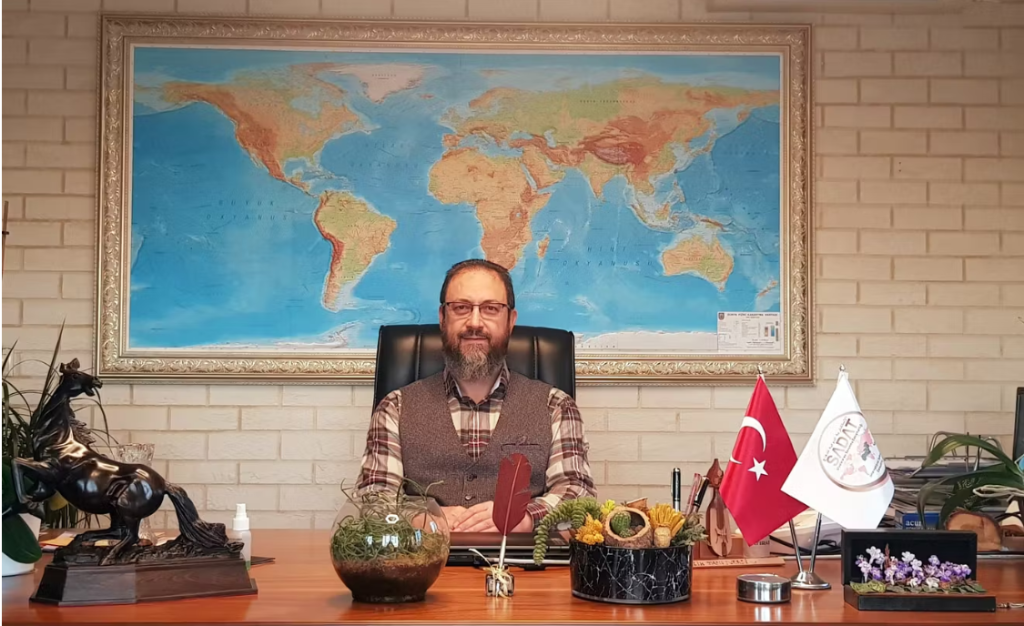
- SADAT: A Turkish private military company with close ties to Ankara, suspected of providing technical assistance, training, or operational support to local forces. Official confirmations from Lomé, Moscow, or Ankara remain absent, fueling speculation about their exact role.
Critics question whether these teams are merely technical advisors, intelligence experts, or active combat units involved in tactical operations. The absence of verifiable data has deepened public distrust.
Legal, financial, and civil liberties concerns
Command structure and legal compliance
The opposition demands strict guarantees that any foreign personnel must operate under the direct command of Togo’s Forces armées togolaises (FAT) and adhere to national and international legal standards. The ambiguity surrounding their authority raises red flags.
Risks to civil liberties
Another pressing issue is the potential for foreign forces to interfere in domestic politics. Protesters warn against their involvement in public order maintenance, targeted arrests, surveillance, or intimidation of civilians and political figures.
Financial burden on taxpayers
The cost of these security arrangements remains undisclosed. Without parliamentary oversight or public debate on these expenditures, citizens’ groups demand transparency in how public funds are allocated to foreign security contracts.
President Gnassingbé’s strategic pivot
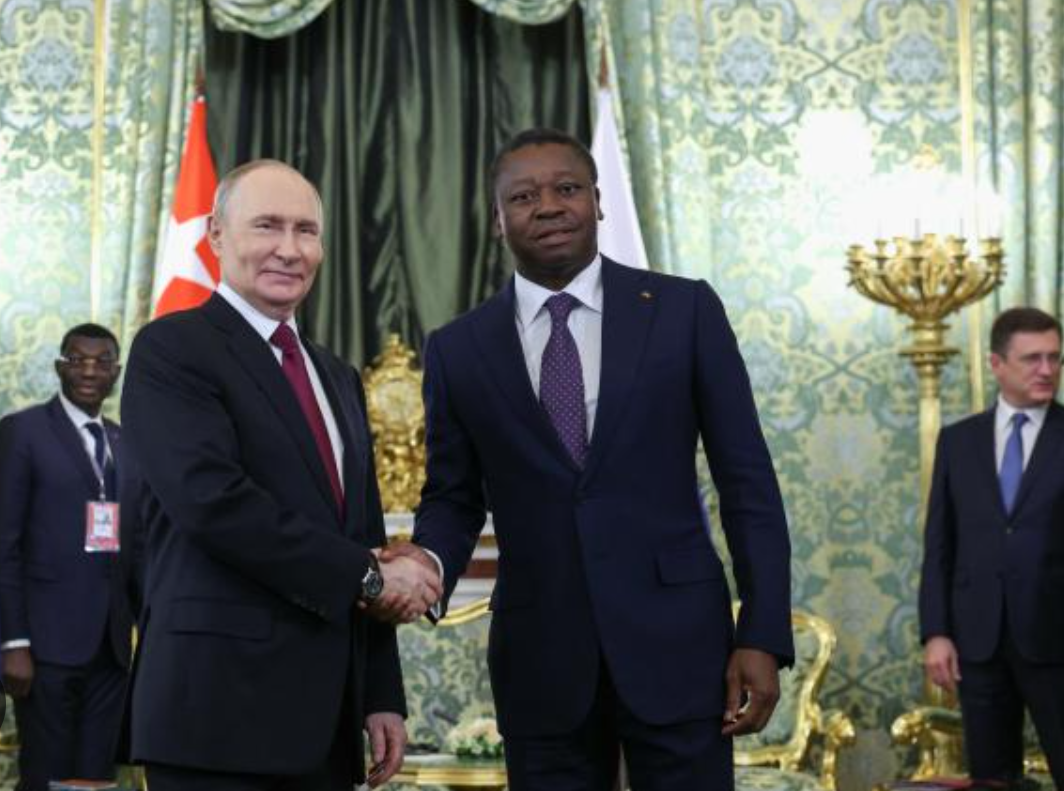
Though the government has not yet responded publicly, its engagement with international partners reflects a deliberate shift in defense alliances. Since 2021, Togo has diversified its security cooperation to reduce reliance on traditional Western allies.
Key milestones include:
- A military cooperation agreement with Turkey, leading to the acquisition of Bayraktar TB2 combat drones for border surveillance.
- Strengthened ties with Russia through military intelligence agreements, joint training exercises, and logistical support.
- The adoption of the Togo-Sahel Strategy 2026-2028, a government roadmap prioritizing security cooperation with foreign partners to counter jihadist expansion toward the Atlantic coast.
The strategy underscores the government’s goal of securing national territory while navigating a complex regional landscape marked by shifting political alliances and security challenges.
The call for a national debate
The controversy over foreign troop deployments transcends military considerations. In a Sahelian context fraught with political transitions and geopolitical realignments, clarity is essential for maintaining stability.
Civil society and opposition leaders argue that national security cannot be managed behind closed doors. A parliamentary or public debate would clarify the legal basis for these interventions and prevent security operations from becoming a source of internal friction. For now, all eyes remain on the government, awaiting answers that could shape the country’s political and social landscape.