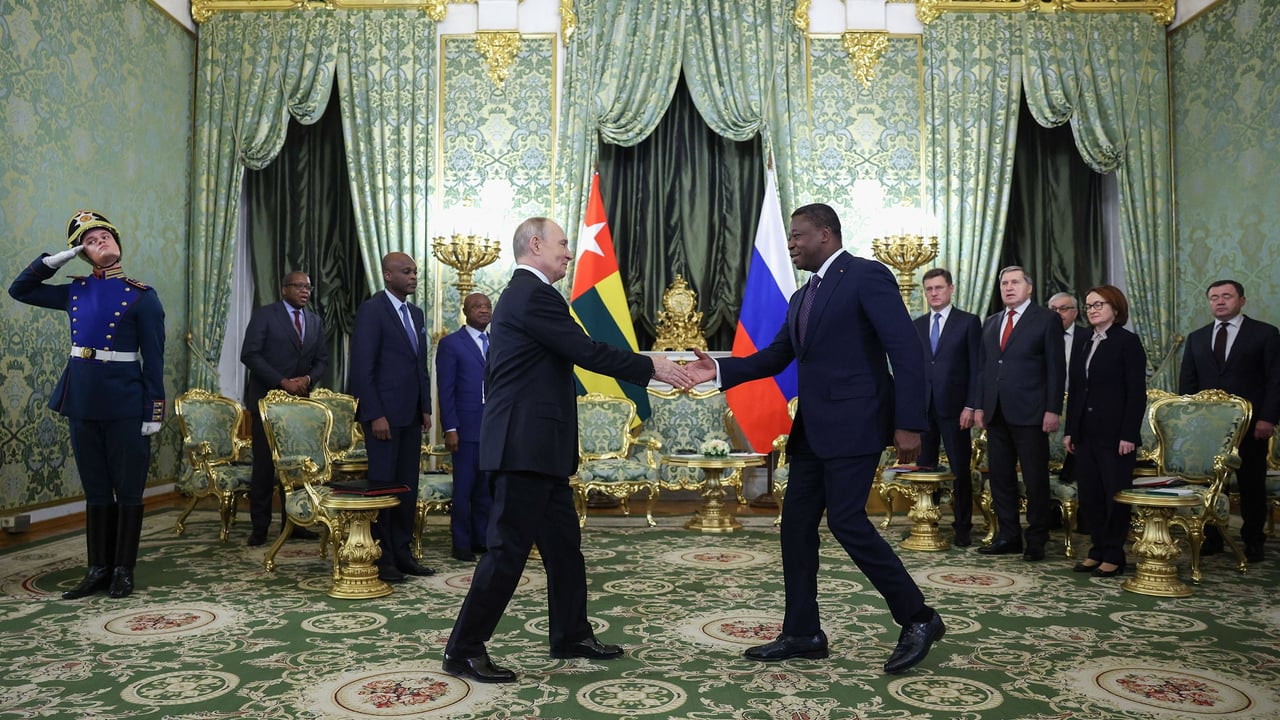
The Togolese government has quietly expanded its defense strategy to counter escalating jihadist violence across the Sahel. In a bold shift, Lomé has forged discreet partnerships with Ankara, seeking aerial and military support, while also welcoming Moscow’s Africa Corps since 2025. These covert alliances signal a strategic pivot in West Africa’s fight against terrorism.
Togo’s covert military cooperation with Turkey
For years, Togo has operated beneath the radar to bolster its counter-terrorism capabilities. Documents reveal that Lomé has turned to Ankara for critical air support and logistical aid, leveraging Turkish expertise in drone surveillance and rapid response operations. This collaboration emerged as jihadist groups intensified cross-border attacks from neighboring Burkina Faso and Niger, exposing vulnerabilities in Togo’s northern defenses.
The partnership extends beyond training. Turkish military advisors have reportedly assisted in establishing monitoring outposts near the border with Burkina Faso, enhancing Togo’s early warning systems. While neither government has confirmed these details, regional security analysts confirm the presence of Ankara-backed surveillance teams in the Savanes region.
Russia’s Africa Corps strengthens its foothold in West Africa
Since 2025, Togo has quietly allowed Russian operatives linked to the Africa Corps to operate within its borders. These mercenaries, often deployed under the guise of “security contractors,” have allegedly assisted in training elite Togolese units and conducting joint patrols along porous borders. The move aligns with a broader Russian strategy to expand influence in Francophone West Africa.
Military observers note that Russian technicians have also provided maintenance support for Togo’s aging Soviet-era equipment, ensuring operational readiness for counter-insurgency missions. While President Faure Gnassingbé’s administration has not publicly acknowledged these activities, diplomatic sources in Lomé confirm the presence of Africa Corps personnel in discreet facilities near the capital.
What’s driving Togo’s strategic pivot?
Togo’s covert engagements reflect a calculated response to the Sahel’s deteriorating security landscape. Burkina Faso’s collapse into jihadist control in 2024 and repeated incursions into northern Togo have forced Lomé to seek unconventional allies. The Africa Corps’ reputation for rapid deployment and Ankara’s proven track record in counter-terrorism make them attractive partners despite geopolitical risks.
Critics warn that these alliances could provoke backlash from Western partners, particularly France, which has historically dominated Togo’s defense sector. However, proponents argue that immediate security needs outweigh long-term diplomatic concerns. With jihadist groups now operating within 50 kilometers of the Togolese border, the government faces a stark choice: reinforce traditional partnerships or embrace new, untested alliances.
The human cost of delayed action
Togo’s northern regions have borne the brunt of the crisis. Villagers in the Savanes region report increased jihadist patrols near markets and schools, forcing thousands to flee. Local leaders express frustration over the government’s delayed response, noting that foreign assistance arrived only after civilian casualties mounted. “We begged for help years ago,” said a community elder in Dapaong. “Now, we’re seeing the consequences of inaction.”
What’s next for Togo’s security strategy?
As jihadist networks expand, Togo’s leadership faces mounting pressure to formalize its partnerships. Analysts predict that Moscow and Ankara will demand greater access in exchange for continued support, potentially reshaping the country’s political and military landscape. Meanwhile, regional blocs like ECOWAS watch closely, wary of further destabilization in West Africa.
One thing is clear: the era of covert alliances has begun. Whether it will stabilize Togo—or drag it deeper into conflict—remains to be seen.