Empowering midwives, safeguarding futures in Mali
In Bamako, Kadidia, a 19-year-old student, once feared judgment for discussing contraception. « I was ashamed to talk about family planning, » she admits, « because it’s still a taboo in many communities here. » Her experience reflects the broader challenges facing young women in Mali, where social, cultural, and systemic barriers persist in accessing sexual and reproductive health services. Despite progress, the country recorded 583 maternal deaths in 2024, including 89 among adolescents aged 15–19. The risks of early and unintended pregnancies remain alarmingly high, underscoring the urgent need for accessible care.
The stakes are clear: 4.8 million women of reproductive age live in Mali, and while 559,493 young women and adolescents accessed modern contraceptives in 2024—up from 480,682 the previous year—gaps in access and stigma still persist. Strengthening reproductive health services isn’t just about saving lives; it’s about enabling young women to make informed choices about their bodies, reduce unintended pregnancies, prevent sexually transmitted infections, and improve their overall well-being. In a nation where traditional beliefs clash with modern healthcare needs, prioritizing these rights is a public health imperative.
Global and national partnerships driving change
The World Health Organization (WHO), with support from key donors, is collaborating with the Malian government to implement a comprehensive program aimed at expanding sexual and reproductive health rights and access. This initiative focuses on several critical areas:
- Legal and policy reforms: Updating laws to align with international standards and ensuring equitable care.
- Healthcare provider training: Equipping midwives and medical staff with advanced skills in prenatal care, family planning, and gender-based violence response.
- Medical infrastructure upgrades: Establishing youth-friendly clinics and mobile health units to reach remote and underserved communities.
- Data-driven decision-making: Producing reliable health indicators and national reports to guide policy and resource allocation.
The WHO’s role extends beyond technical support—it acts as a catalyst for coordination, ensuring that efforts are aligned with Mali’s strategic health goals. Thanks to this collaboration, Mali has launched its first national bulletin on sexual and reproductive health indicators and the 2022 National Health Accounts, tools that provide unprecedented insights into the country’s health landscape.
Dr. N’Tji Keita, Head of the Maternal and Child Health Department at Mali’s National Office of Reproductive Health, highlights the program’s impact: « We’ve trained judges on WHO’s latest guidelines, launched a national health observatory, and enhanced maternal death surveillance systems. These steps are transforming how we protect women and adolescents. »
Midwives at the forefront of transformation
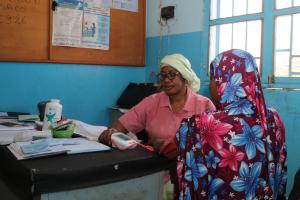
Midwives are the backbone of this initiative, their training and dedication reshaping the health outcomes for young women across the country. Aïssata, a midwife at the Kebila community health center, shares her journey: « Through continuous training in prenatal care, family planning, and STI/HIV management, I’ve gained the confidence to serve young women without judgment. It’s not just about medical skills—it’s about creating a safe space where they feel heard and respected. »
Assetou, a mentoring midwife in Yanfolila—160 kilometers south of Bamako—has witnessed firsthand the program’s impact. Between 2019 and 2025, the number of adolescents accessing sexual and reproductive health services at her center more than doubled, from 2,330 to 5,121. « The training changed how I approach my work, » she says. « Now, I prioritize listening, availability, and respect for consent—values that make young women feel welcome. »
The ripple effects of these efforts are visible in shifting attitudes. School-based awareness campaigns, radio programs on sexual health, and provider training in empathetic communication have fostered openness. Kadidia, now a confident advocate for her peers, reflects on her first visit to a health center: « The midwife listened without judgment and gave me clear advice. I realized these services exist to support us. To young women hesitant to seek help, I say: don’t be afraid. The support is there. »
Breaking barriers, building trust
The transformation in Mali’s maternal health landscape is not measured by numbers alone. It’s seen in the growing trust between healthcare providers and communities, the erosion of harmful taboos, and the increasing number of young women who seek care without fear. Initiatives like the Mother-Child-Adolescent Clinic in Sikasso, offering integrated family planning and gender-based violence services, and mobile teams serving humanitarian zones like Macina, are bringing essential care closer to those who need it most.
As Mali continues to strengthen its reproductive health systems, the role of trained midwives remains central. Their work not only saves lives but also empowers a generation of women to take control of their health, challenge societal norms, and build a healthier future for themselves and their communities.