Recent events in Nigéria, including the abduction of students, raids on rural communities, and attacks on both churches and mosques, have once again drawn the world’s gaze to the West African nation. This cycle of brutality took on a new international dimension when the United States launched airstrikes against extremist strongholds on Christmas Day. Washington described these actions as a necessary step to safeguard Christian populations under threat.
In the wake of these events, some American officials have begun using the term “Christian genocide” to describe the situation. However, representatives from the United Nations argue that such labels only capture a fraction of the truth. They suggest that the country is grappling with a pervasive state of insecurity that has birthed one of the most significant yet overlooked humanitarian emergencies on the continent.
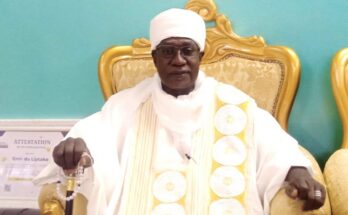
Mohamed Malik Fall, the coordinator for UN operations in the country, explains that safety is now a nationwide concern. According to him, the instability is no longer confined to specific borders; it has permeated almost every region of Nigéria.
The evolution of a long-standing insurgency
The roots of this instability are found in the northeast, where a violent uprising began in 2009. Initially led by Boko Haram and later by groups like the Islamic State West Africa Province, this conflict has left the region deeply scarred after nearly two decades of fighting.
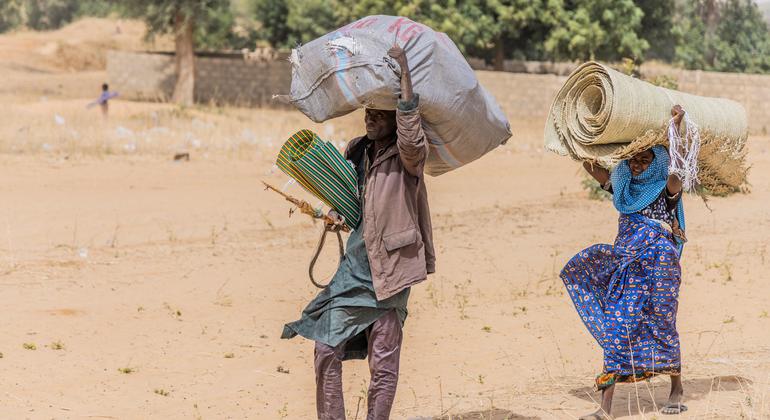
The human toll is staggering. Mohamed Malik Fall points out that over two million individuals remain internally displaced. For many, this is not a short-term situation; an entire generation has reached adulthood within the confines of displacement camps, knowing no other way of life.
Statistics indicate that the insurgency has claimed more than 40,000 lives. The destruction extends to thousands of educational and medical facilities, while vast agricultural lands have become no-go zones. Beyond the physical damage, the local population has been stripped of their economic independence and the dignity that comes with self-sufficiency.
Widespread banditry and regional friction
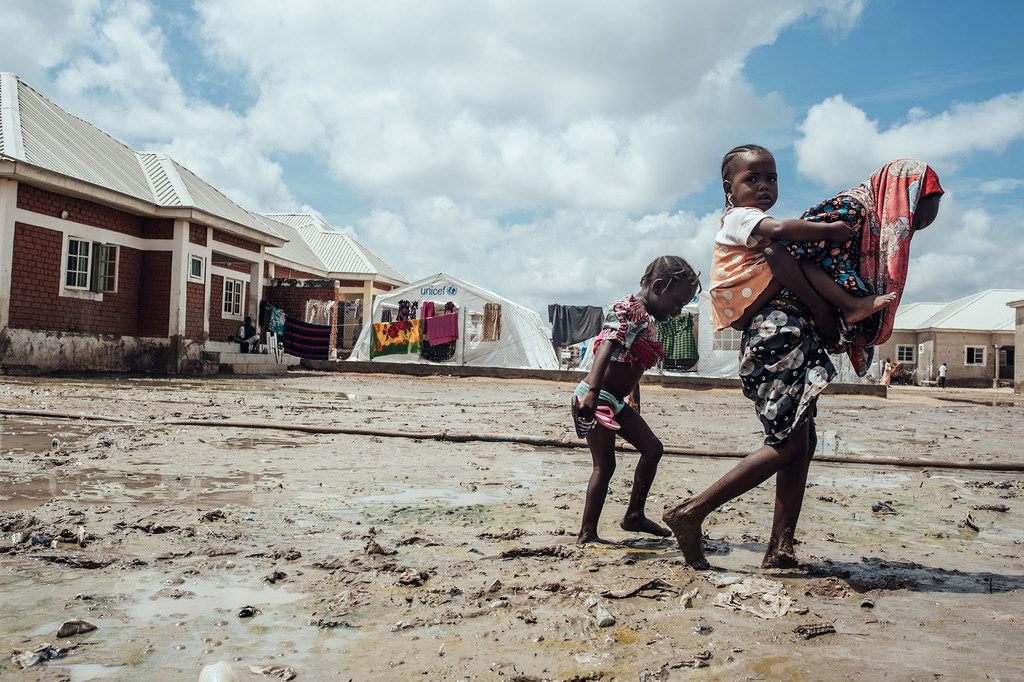
Over time, the concentrated war in the northeast has evolved into a more fragmented form of violence. In the northwest, states such as Zamfara, Katsina, and Sokoto are plagued by organized criminal gangs. These groups engage in kidnapping for ransom and systematic looting, forcing approximately one million people to flee their homes in that region alone.
Meanwhile, in the central belt of Nigéria, competition for land between farmers and herders has intensified due to climate change and population growth, leading to further displacement. In the southern regions, the country faces different challenges, including separatist movements and attacks on oil infrastructure.
Collectively, with roughly 3.5 million people displaced, Nigéria accounts for nearly 10% of all internally displaced persons on the African continent.
Blind violence rather than targeted religious persecution
The recent targeting of Christian institutions has reignited a heated global debate. In January, over 160 people were seized during Sunday services in Kaduna State. This followed attacks in the northwest and another raid on a Catholic school in Papiri, bringing back painful memories of the 2014 Chibok abduction where 276 schoolgirls were taken by Boko Haram.
While the United States has used these events to justify military action and some politicians claim a “Christian genocide” is occurring, the United Nations maintains a more cautious stance. They argue there is insufficient evidence to prove that one specific religious group is being systematically targeted to the exclusion of others.
“I would not go as far as calling this a targeted religious persecution,” says Mohamed Malik Fall. He points out that the vast majority of the 40,000 casualties in the insurgency have been Muslims. Many were killed while praying in mosques or going about their lives in local markets.
He cites a Christmas Eve attack in Maiduguri that struck an area near a mosque, killing Muslim worshippers. Fall emphasizes that insecurity is a universal threat in Nigéria, affecting citizens regardless of their faith or ethnicity. He warns that focusing solely on religious narratives could deepen national divides rather than fostering unity.
A massive and underfunded humanitarian crisis
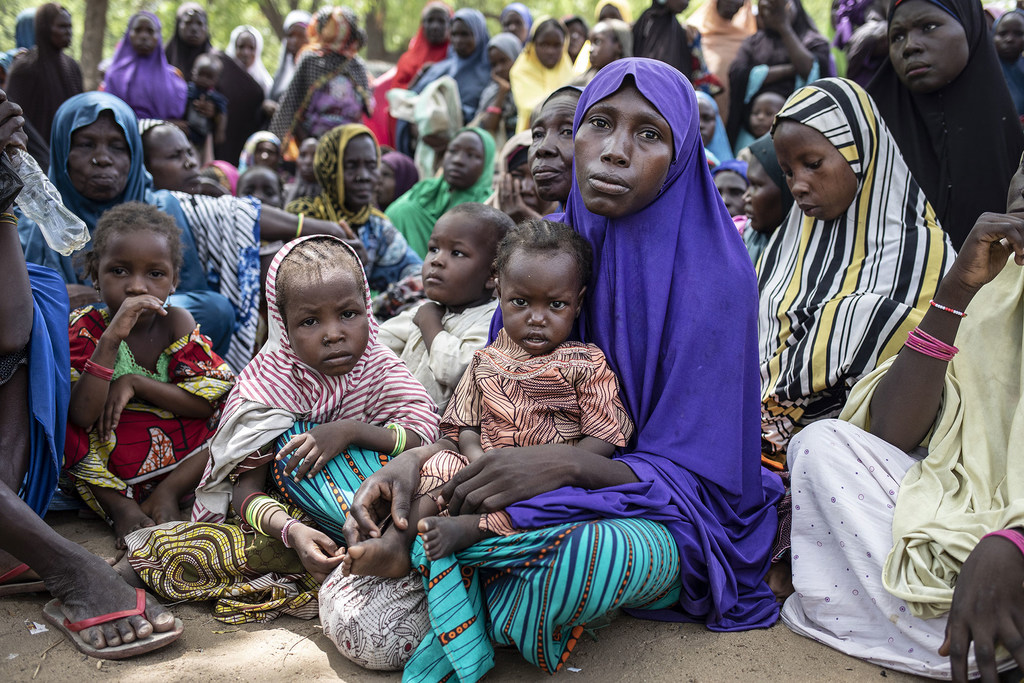
Beneath the headlines of violence lies a dire humanitarian situation. In the northeast alone, 7.2 million people require help, with nearly 6 million facing critical needs. Food security is a primary concern, with estimates suggesting that up to 36 million Nigérians could face hunger in the coming months.
Furthermore, over 3.5 million children under the age of five are at risk of acute malnutrition. Mohamed Malik Fall warns that this has long-term consequences, impacting cognitive growth and educational outcomes that persist into adulthood. These issues are compounded by climate shocks like floods and droughts, as well as outbreaks of diseases like cholera.
Despite the growing need, international funding is drying up. A humanitarian response plan that once garnered nearly $1 billion annually saw only $262 million last year. Projections for the current year suggest that funding might not even reach $200 million.
Responsibility of an African economic power
The situation presents a striking contradiction: a severe humanitarian emergency occurring within one of Africa’s most powerful economies. Mohamed Malik Fall notes that Nigéria possesses significant resources, unlike nations such as Sudan, Somalia, or South Sudan. He asserts that the federal and state governments must take the lead in addressing the needs of their citizens.
The goal for international organizations is to transition leadership of the aid response to local authorities while ensuring that global donors do not abandon the country. Ultimately, the focus is on moving away from dependency toward economic empowerment, helping Nigérians regain the ability to support themselves.