In Mali, local expressions such as “Bonya” (respect), “woro songo” (the price of cola), or “buru songo” (the price of bread) are commonly used to describe the “small gifts” that facilitate systemic corruption. While these practices are increasingly worrying, they appear to be widely tolerated within the social fabric.
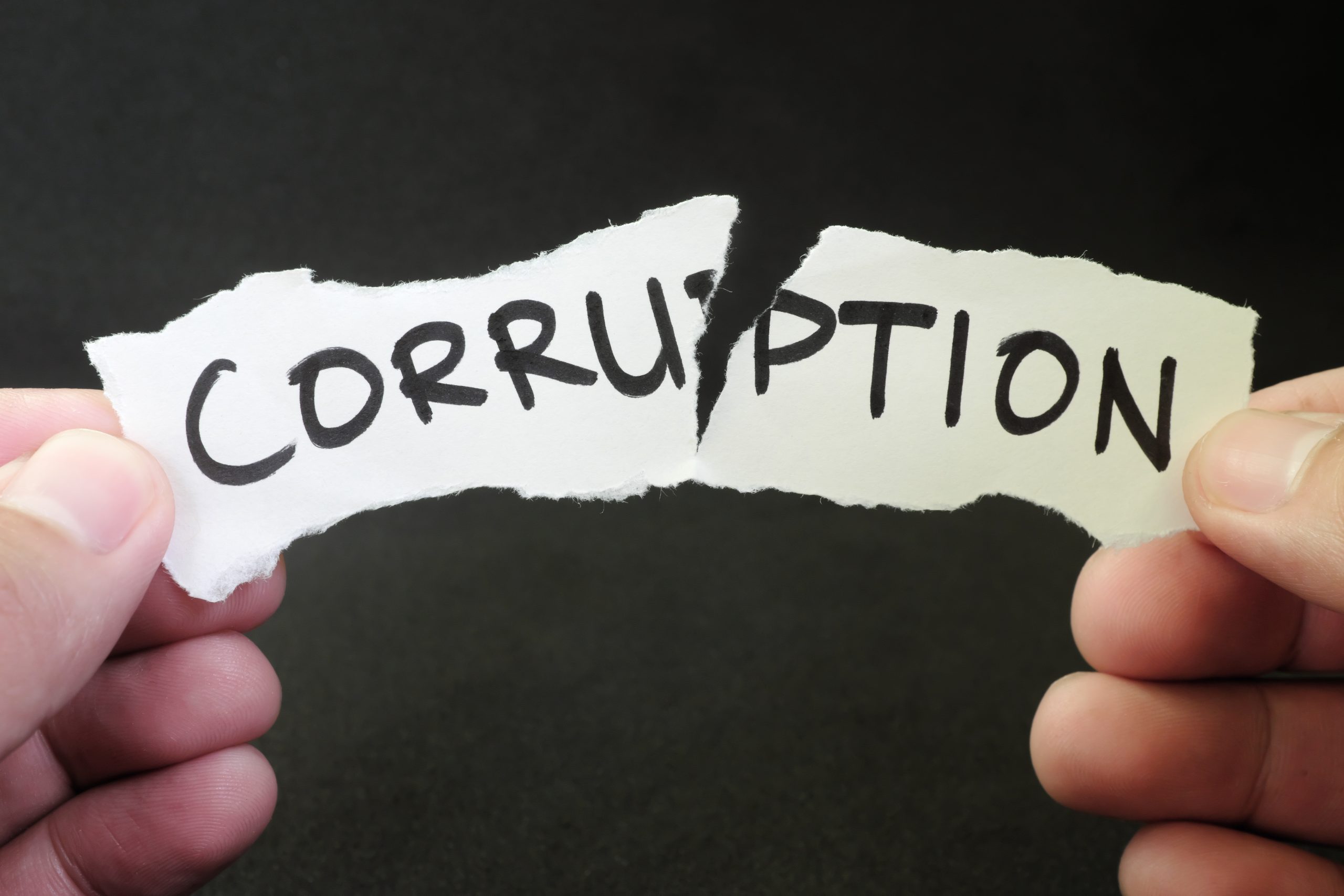
This raises critical questions: why is this form of corruption so accepted? And how can a phenomenon be denounced when it is embraced by the majority? According to Transparency International, corruption is defined as the misuse of delegated power for private gain. By this standard, corrupt acts have become a daily reality in Mali, permeating public services and administrative interactions through bribes and undue favors.

The experience of Myriam (a pseudonym), a commercial director in Bamako, illustrates the severity of the issue. She explains that agents frequently demand a percentage of every contract she secures. “It is take it or leave it,” she says, expressing her exhaustion with a system where this form of extortion has become culturally embedded.
The normalization of everyday bribes
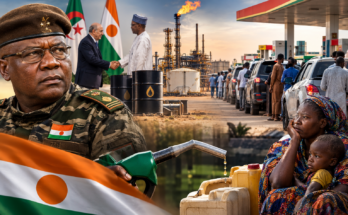
Corruption often manifests in mundane ways: a bribe to speed up paperwork, a “gift” to ensure exam success, or using personal connections instead of merit. These routines have led many to view such practices as normal. For instance, entrepreneur Omar Keita describes feeling “deeply hurt” after being forced to pay 10,000 F.CFA to a pump attendant just to get fuel during a recent shortage caused by security threats on supply routes from Sénégal and Côte d’Ivoire.
This cultural shift creates a dangerous cycle. As corruption becomes more widespread, it is less frequently perceived as a moral wrong. Sibiri Diarra, a retired international official, notes that while organizations like the United Nations have strict rules regarding gifts, the lack of public awareness and enforcement in Mali opens the door to widespread abuse.
Sociologist Mohamed Abdellahi Elkhalil argues that this normalization is sociological rather than cultural, driven by a desire to live beyond one’s means. He warns that this trend threatens the very foundations of the country’s democracy and economy. Similarly, Oumar Korkosse from Recotrade points out that low wages and poverty act as catalysts, forcing even well-intentioned individuals to rely on small bribes as a necessary income supplement.
An endemic challenge for Malian society
The Association Malienne de Lutte contre la Corruption et la Délinquance Financière (AMLCDF) emphasizes that the solution must be moral, requiring the construction of a civic conscience based on ethics and respect for the common good. They believe education and religious discourse are vital for this transformation.
A March 2024 Afrobarometer survey highlights the scale of the problem. Citizens identify judges, businesspeople, tax officials, and security forces (police and gendarmes) as the most involved in corruption. Many admit to paying bribes simply to access basic public services.

On the roads, the situation is equally dire. Ousmane Diarra, a taxi-moto driver, laments that he is frequently stopped by police and forced to pay between 1,000 and 2,000 F.CFA, regardless of whether he is in compliance with regulations. This constant extortion consumes a significant portion of his daily earnings.
The Transparency International Corruption Perceptions Index (CPI) ranks Mali 135th out of 180 countries in 2024, dropping to 136th in 2025. This stagnation reflects a public sector perceived as highly corrupt by experts and business leaders alike.

Furthermore, the World Bank‘s 2023 Worldwide Governance Indicators gave Mali a score of -0.86 for corruption control, well below the global average. As lawyer Me. Soumaré Boubacar notes, when citizens lose faith in the integrity of their institutions, corruption becomes a survival strategy: “Since everyone does it, why not me?”