With midterm elections just hours away, President Donald Trump has authorized new strikes against Iranian targets in the Strait of Hormuz, a move that risks escalating regional tensions and undermining Republican hopes.
Last-minute military action as voters weigh their choices
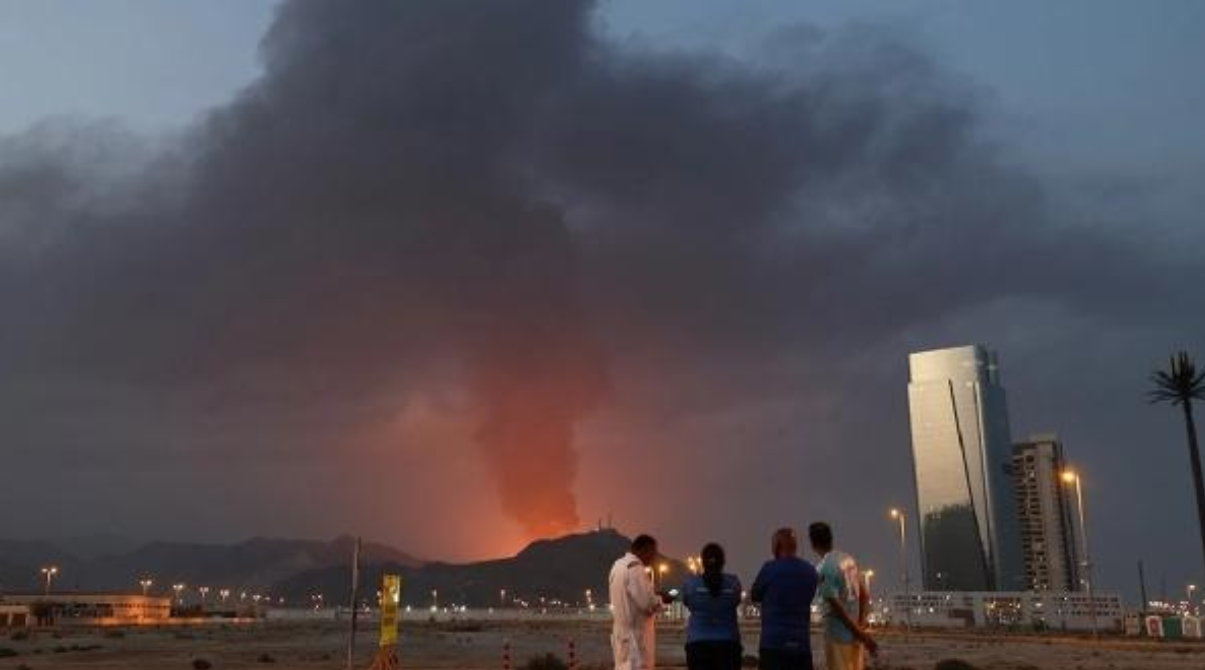
The strikes, conducted on the strategically vital island of Qeshm, were framed as defensive by the White House. Yet they come at a politically perilous moment—just as Americans prepare to cast ballots that will determine control of Congress. While Trump had previously pledged to avoid escalation before the vote, these strikes contradict his earlier reassurances, fueling Democratic criticism over his foreign policy approach.
The economic fallout shaping voter priorities
Economic anxiety is already a dominant theme in the midterm race. A recent survey showed only 31% of Americans support the ongoing conflict with Iran, while 63% oppose it. High gas prices—partly driven by instability in the Strait of Hormuz—are a top concern for voters. With fuel costs directly impacting household budgets, any further escalation could intensify voter frustration.
For Trump, these strikes present a delicate balancing act. The White House insists the operation was necessary to protect shipping lanes, but critics argue it risks further destabilizing global oil supplies—potentially driving prices even higher ahead of election day.
Republicans caught between hardline appeals and voter backlash
Within his own party, Trump faces divisions. Some Republicans applaud a show of military strength against Iran, while others fear prolonged conflict could undermine Republican gains in key races. Polling suggests economic grievances now outweigh foreign policy concerns for many voters, making the timing of these strikes particularly risky.
The administration has reportedly sought to limit escalation before the vote, but events in the Strait of Hormuz have already forced a reckoning. If Republicans lose House seats, a Democratic majority could scrutinize Trump’s military decisions more aggressively, constraining his agenda in the final two years of his term.
Could the Hormuz strikes swing the midterms?
While no single issue will decide the elections, Trump’s last-minute military move risks overshadowing domestic concerns like inflation and healthcare—key issues for undecided voters. As polls open, Americans will weigh whether these strikes represent necessary leadership or a costly distraction at a critical moment.
The outcome of the midterms may hinge on whether voters see Trump’s approach as a decisive stand against Iran or a miscalculation that deepens America’s global entanglements.