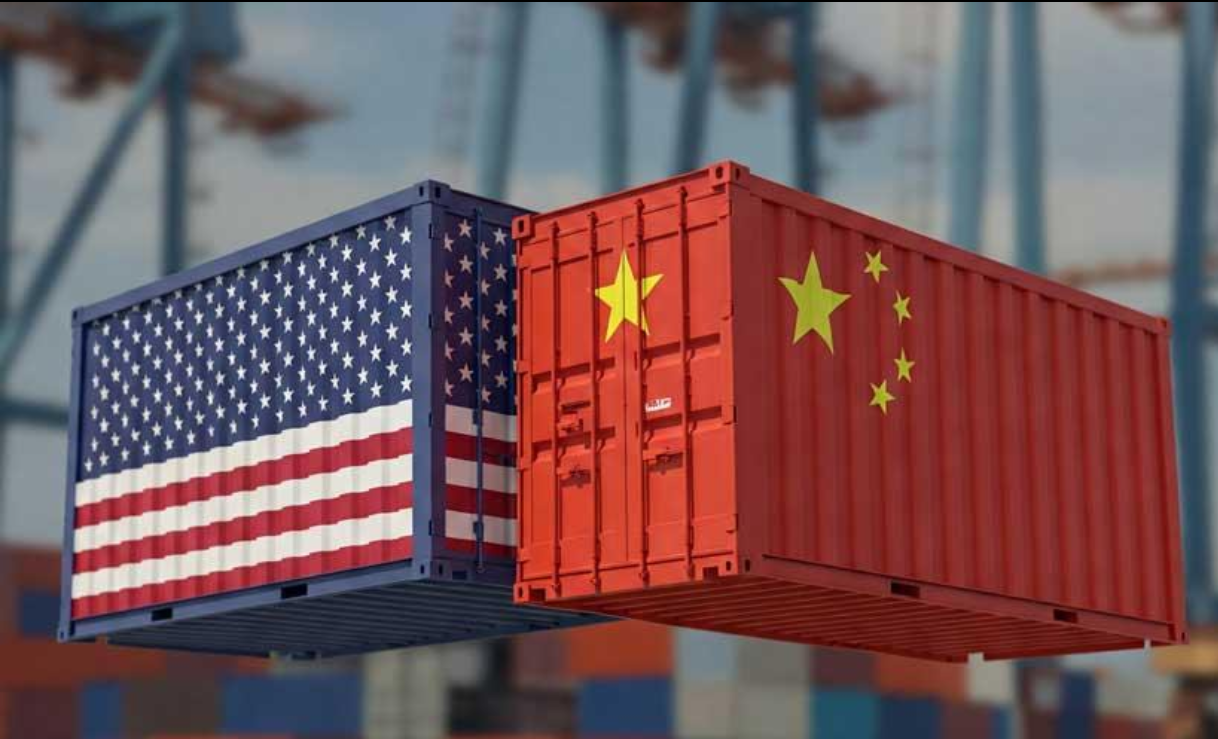
The Trump administration has unveiled a bold new trade offensive, targeting 14 key economic partners—including China, the European Union, Japan, and India—with sweeping new tariffs. These measures aim to curb cheap imports flooding American markets and protect domestic industries from foreign competition. China faces the highest proposed rate at 20%, signaling a dramatic escalation in trade tensions.
Washington’s protectionist strategy takes shape
In a significant shift of trade policy, the US is preparing to strengthen its protectionist stance by imposing new duties on 14 major trading partners. The move underscores Washington’s determination to safeguard American businesses and reduce the country’s trade imbalances. The list of affected economies encompasses a broad global spectrum, reflecting the far-reaching impact of these proposed tariffs.
China faces the steepest tariff hike
Beijing stands at the center of this new trade confrontation. The White House has proposed slapping Chinese imports with tariffs as high as 20%, the most aggressive rate among the measures under consideration. The administration accuses China and other economies of maintaining excessive industrial overcapacity, leading to a flood of artificially cheap goods on international markets.
These practices, according to Washington, place American manufacturers at a severe disadvantage, particularly in high-value sectors such as technology and industrial goods. By raising import costs, the US hopes to encourage domestic production and reduce reliance on foreign goods.
Thirteen additional partners under pressure
The scope of the proposed tariffs extends well beyond China. Among the 13 other economies facing new duties are major players from Europe, Asia, and beyond. The European Union, Japan, South Korea, India, and Taiwan top the list, while several Southeast Asian nations—including Vietnam, Thailand, Malaysia, Indonesia, Singapore, and Cambodia—also face the prospect of higher trade barriers.
This broad-based approach signals that the US is expanding its trade strategy beyond its longstanding dispute with Beijing, targeting a wide array of partners in an effort to reshape global commerce on its terms.
Global trade ripple effects loom large
The implementation of these tariffs could trigger a chain reaction in global trade. Imported goods in the US may see significant price increases, directly affecting American consumers. Meanwhile, the targeted economies could retaliate with their own trade barriers, potentially sparking a full-blown trade war.
Such a scenario raises serious concerns about the resilience of international supply chains and the stability of global trade relations. Businesses heavily dependent on the US market may face disruptions, while long-term shifts in trade alliances could reshape the economic landscape.
Next steps and timeline
Before these measures take effect, they will undergo a public consultation process. Stakeholders have until January 5, 2027, to submit written feedback, followed by scheduled hearings beginning January 25, 2027. The timeline underscores the urgency and significance of the proposed changes.
By placing China and 13 other partners under the tariff spotlight, the Trump administration is doubling down on its strategy of using trade policy as a tool for economic leverage. The question remains whether these actions will fortify American industries or trigger a global trade spiral with far-reaching consequences.