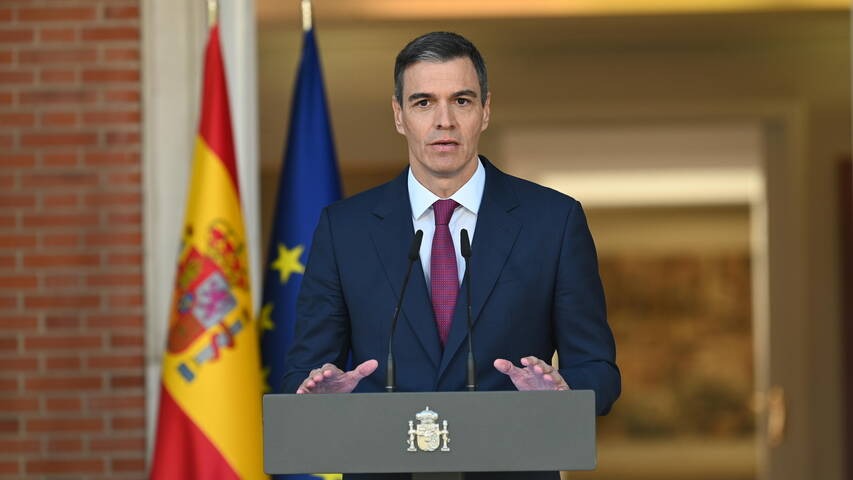
Spain’s housing crisis has triggered fresh political turmoil, and the country now faces a defining question: can a snap election deliver the solutions that parliament rejected? After lawmakers refused to approve a package of measures aimed at making housing more accessible, Prime Minister Pedro Sánchez took the drastic step of calling early elections, throwing the nation into a period of uncertainty.
The decision comes amid mounting social pressure. Rents are climbing, property prices are surging, and affordable homes are increasingly scarce. In major cities, countless residents struggle to find a place to live, while a growing number of young people are forced to delay leaving the family home.
What was in the rejected housing plan — and why did it fail?
Sánchez’s government had proposed a series of initiatives designed to boost the construction of affordable housing, strengthen protections for tenants, and crack down on property speculation. But the plan failed to secure the necessary support in parliament. Opposition parties and several political groups argued that the measures were either too weak or gave the state too much control over the real estate market.
The rejection represents a significant setback for Sánchez. It exposes his government’s difficulty in building a stable majority and pushing through its key reforms. Faced with this impasse, the prime minister chose to take the issue directly to voters.
“Housing has become one of the main concerns for Spaniards,” Sánchez said, according to government communications. Through these elections, he hopes to secure a clearer mandate to revive his social agenda and present a new housing plan.
Opposition parties, meanwhile, accuse the government of failing to deliver concrete answers to the housing crisis. They point to continuously rising rents and the lack of results from policies implemented in recent years.
Young people and tourist areas bear the brunt
The housing squeeze hits young Spaniards especially hard. Many have jobs but still don’t earn enough to rent an apartment or qualify for a mortgage. In large urban areas, rent can consume a huge share of monthly income.
This situation limits their path to independence and deepens inequalities between regions. People living in tourist hotspots also face fierce competition from short-term rentals, which reduces the number of homes available for local residents.
A campaign dominated by housing
The early election is expected to revolve largely around purchasing power, rents, and the construction of social housing. Every party will need to offer credible solutions to meet the expectations of a population increasingly worried about its housing future.
For Sánchez, the vote is both a risk and an opportunity to regain the initiative. A victory would strengthen his authority and allow him to relaunch his reforms. A defeat, on the other hand, could bring a change in majority and a shift in housing policy.
Spain is heading to the polls in a tense climate. Beyond Sánchez’s fate, the election will determine how the country intends to tackle one of its most serious social crises: ensuring everyone has access to decent, affordable housing.