From Paris to Jakarta, universities and high schools have become battlegrounds in 2026 as youth frustration over education budgets, economic pressures and policy failures erupts across continents.
Europe’s classrooms ignite as governments face backlash
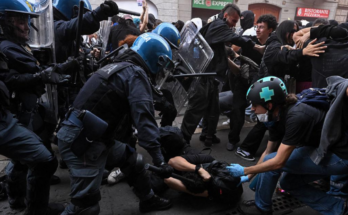
France witnessed a nationwide wave of school protests in October, with over 1,000 high schools affected by strikes or blockades by the first of the month. Demonstrators cited overcrowded classrooms, understaffed schools and crumbling infrastructure as core grievances. Official responses have included a mix of riot police deployment and promises of resource allocation, though clashes have overshadowed educational demands.
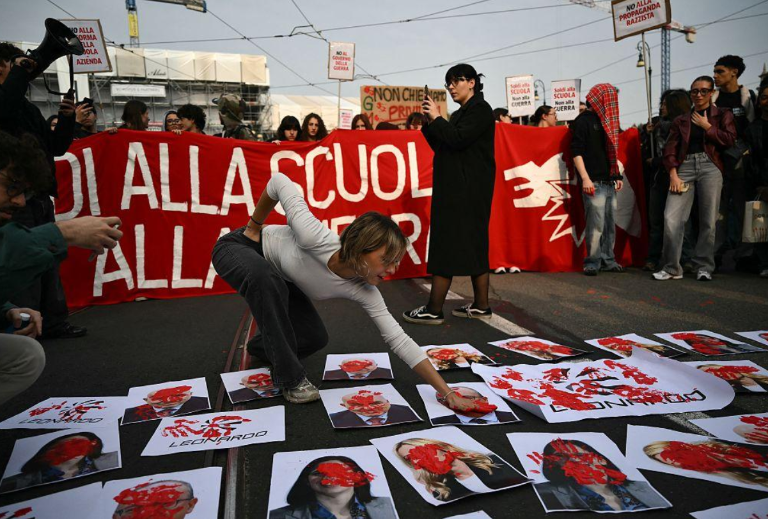
Italy saw thousands march in Milan, Rome and Turin on October 16, protesting cuts to public education funding and a contested policy on classroom diversity. Similar unrest gripped Albania’s capital, Tirana, where students burned buildings amid demands for financial aid and corruption accountability. In Greece, tens of thousands took to the streets on October 21 demanding affordable student housing, free textbooks and expanded public education allocations. Belgian francophone students mobilized against budgetary reforms and facility deterioration at the start of October, with sporadic violence reported.
African campuses paralyzed by financial crisis
The University of Dakar’s Cheikh Anta Diop campus became a flashpoint in Senegal after months of delayed scholarship payments culminated in deadly unrest in early 2026. The death of a student during protests led to a university shutdown and government inquiries. Meanwhile, Kenya’s public university lecturers’ strike disrupted Nairobi’s academic calendar in October, leaving students stranded without classes or exams. South Africa’s Rhodes University protests highlight the threat debt rules pose to future enrollment.
In all three nations, financial support systems for students have proven perilously unreliable, pushing education access to the brink of collapse.
Latin America and Asia: economic strain meets educational neglect
Argentina’s October 15 federal university march brought students, faculty and staff together to demand full implementation of university funding laws and salary increases. Meanwhile, Indonesian protests in June targeted not only skyrocketing living costs and fuel prices but also questioned the allocation of public funds and civilian-military relations.
Across both regions, economic distress has fused with educational grievances, creating a potent mix of anger that extends well beyond campus walls.
When protests turn violent: balancing order and reform
Governments’ responses have ranged from direct negotiations to heavy-handed crackdowns involving arrests, water cannons and campus closures. While authorities cite the need to protect public and private property, heavy-handed tactics risk deepening youth alienation from the political process. The challenge remains: restore normalcy while addressing the structural deficiencies driving the unrest.
A generation’s future hangs in the balance
The 2026 youth rebellions defy a single narrative. Whether driven by unpaid stipends, unaffordable tuition or deteriorating learning conditions, the common thread is a shared disbelief that education still holds the promise of upward mobility. For European, African and Asian countries alike, the core question remains: can states rebuild trust in their institutions by delivering tangible improvements to education systems, or will the current crisis embolden further defiance?