As Benin concluded its presidential election on Sunday, April 12, 2026, one thing became clear: the nation defied the grim forecasts that loomed over the polls. Amid a West African subregion grappling with instability, Cotonou delivered a remarkably smooth voting process, validating the effectiveness of Patrice Talon’s security strategy before his term ended.
The stakes could not have been higher. With the persistent threat of jihadist violence in the northern regions and heightened political tensions over succession, the 2026 election was poised to be a critical test for Benin’s Rupture agenda. Yet, from the banks of the Pendjari to the shores of Cotonou, the day passed without a single incident—a cause for relief across the nation.
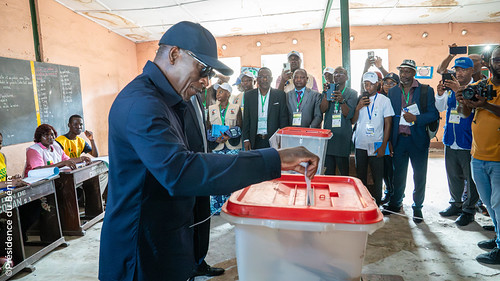
a fortified shield against northern extremism
The election’s success hinged on meticulous preparation. Facing the spillover of armed terrorist groups destabilizing neighboring Sahel nations, the government implemented an extraordinary security framework. The Operation Mirador, recently bolstered, ensured rigorous protection of polling stations in high-risk zones like Alibori and Atacora.
“I voted without fear—security forces were present but unobtrusive, which gave me confidence,” shared a voter in Kandi, a city where Romuald Wadagni, Talon’s designated successor, had campaigned under heavy protection.
democratic and security resilience in west africa
In a West Africa plagued by military takeovers and chronic security crises, Benin stands out as a rare example of democratic and institutional stability. By strictly adhering to term limits and ensuring a peaceful election, Patrice Talon’s administration capped its legacy with a triumph of order.
The election’s integrity rested on three pillars:
- Unblemished professionalism: Unlike previous polls, no security missteps or disruptions were reported.
- Impeccable electoral logistics: Ballot transport and storage were executed with military precision.
- Vigilant border control: Enhanced surveillance prevented any external threats during the voting period.
the legacy of internal peace
International observers have hailed this “won bet” as the culmination of a decade of structural reforms. By modernizing defense capabilities and strengthening intelligence networks, Talon bequeaths a nation with fortified institutions and a secure territory to his successor.
As vote counting continues, Benin can proudly claim to have turned its presidential election into a testament to national resilience. The voice of democracy has spoken, and security has stood guard—underscoring the country’s exceptional path in a turbulent region.