Algeria raises alarm over polluted oued Mouilah in Tlemcen
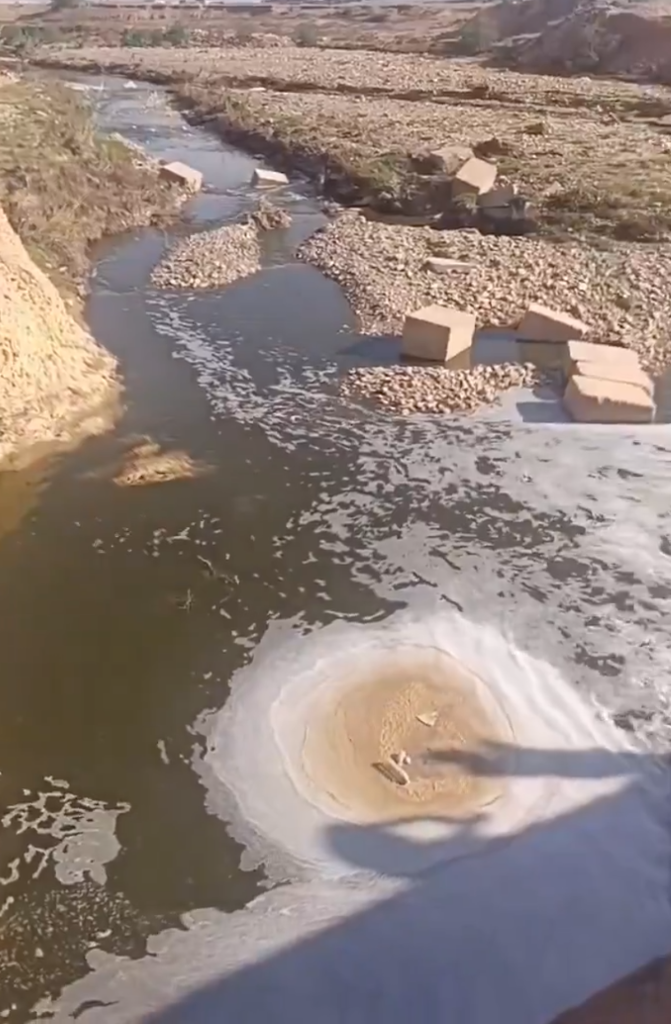
Algeria’s government has escalated concerns over the severe degradation of the oued Mouilah, a critical waterway in the Tlemcen region, which it claims is contaminated by industrial and domestic waste originating from Moroccan territory. The allegation extends beyond environmental damage, threatening to deepen diplomatic tensions between Algiers and Rabat amid an already strained relationship.
The oued Mouilah plays a vital role in supplying the Hammam Bougara dam, a key water reservoir serving several municipalities in western Algeria. Recent assessments reveal alarming levels of chemical pollutants, including high concentrations of nitrites, heavy metals, and traces of pharmaceutical residues, raising serious health and ecological risks for local communities.
Dam contamination threatens regional water security
The Hammam Bougara dam, a central pillar of Tlemcen’s water infrastructure, faces growing contamination risks. If unchecked, pollutants could disrupt treatment processes, inflate purification costs, and exacerbate localized water shortages. Authorities have pledged to enhance monitoring and treatment efforts to mitigate risks to drinking water supplies.
The oued Mouilah’s pollution crisis underscores the broader stakes of shared water resources in a region grappling with climate-driven water scarcity. With Algeria and Morocco both experiencing rising demand and diminishing supplies, the issue escalates from an environmental concern into a potential flashpoint for wider conflict.
Transboundary pollution claims demand scientific verification
Algeria formally attributes the contamination to cross-border discharges from Moroccan sources, claiming pollutants enter Algerian waters via the oued Isly. While accusations highlight transboundary responsibility, definitive proof requires rigorous scientific validation, including comprehensive sampling and traceability studies.
Independent verification remains essential to establish the pollution’s origin, clarifying whether it stems from industrial effluent, untreated sewage, or other sources. Without conclusive evidence, accusations remain unproven, underscoring the need for transparent, third-party assessments.
International legal recourse looms over water dispute
In response to the crisis, Algerian officials have not ruled out pursuing international legal avenues, invoking principles of transboundary environmental harm and shared water governance under international law. Such a move could involve bodies overseeing water resource agreements or environmental treaties.
However, declarations of intent do not equate to legal action. The feasibility of formal proceedings depends on evidence, jurisdiction, and the willingness of both states to engage in dispute resolution mechanisms. The mere threat of international intervention signals the gravity with which Algeria views the issue.
Diplomatic tensions overshadow environmental crisis
This water dispute arrives at a precarious moment, as Algeria and Morocco remain embroiled in deep political and diplomatic divisions following the 2021 rupture of bilateral relations. While the oued Mouilah crisis is framed as an environmental emergency, its political implications could further strain relations between the two nations.
The dispute highlights the delicate interplay between sovereignty, environmental accountability, and regional stability. Though no military escalation is foreseeable, the pollution of a shared watercourse transforms a technical challenge into a symbolic battleground over natural resource management.
Path forward hinges on cooperation and science
Resolving the oued Mouilah crisis demands a collaborative approach, centered on transparent data sharing, joint monitoring, and scientific collaboration. A multi-disciplinary expert team—spanning hydrology, toxicology, and environmental science—could provide the objectivity needed to identify pollution sources and assess health risks.
Given the shared consequences of water degradation, both nations face a choice: allow a localized crisis to fester into a diplomatic rupture, or prioritize collective action to protect a vital resource. The path forward will reveal whether environmental stewardship or political discord dictates the outcome in this emerging dispute.