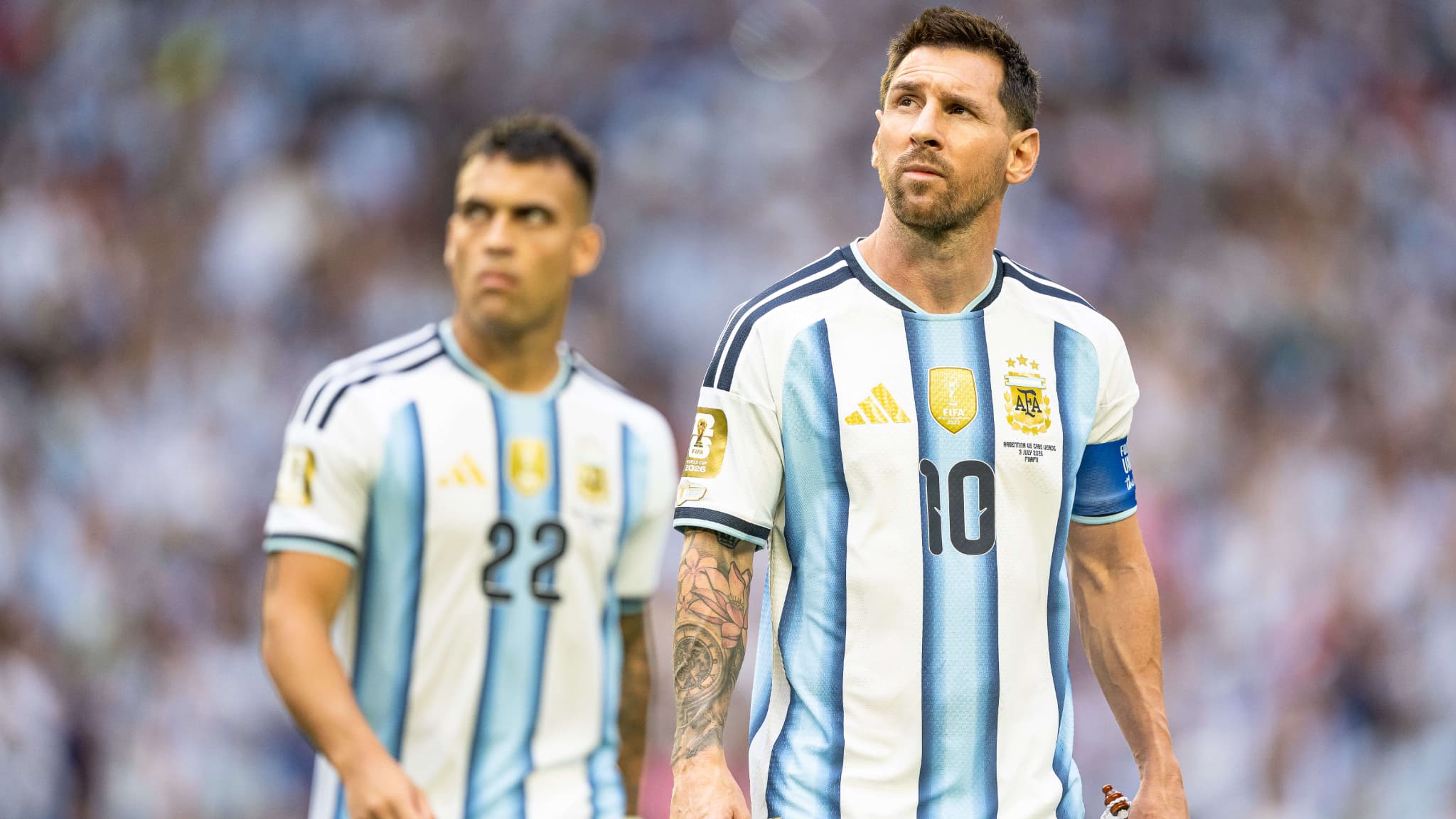

Argentina vs Switzerland: has the Albiceleste’s resilience become unstoppable?

It was Tuesday in Atlanta, the 79th minute of play. Argentina trailed Egypt 2-0, and Lionel Messi stood on the brink of bidding farewell to the World Cup at age 39. The Argentine captain delivered a pinpoint cross to Cristian Romero, who powered a header into the back of the net at the 83rd minute. Then, in stoppage time, Enzo Fernández rose to head in the equalizer. Messi collapsed to his knees in tears—his team had orchestrated one of the most dramatic turnarounds of the tournament in just fifteen minutes.
“Few teams manage to come back from such a dire situation with so many twists: Messi’s missed penalty, missed chances, and the Egyptian goalkeeper’s heroics,” noted commentator Jérôme Rothen. This triumph followed a nail-biting victory three days earlier against Cape Verde. Twice down in that match, Argentina clawed their way back, battling through extra time—and some players through cramps—to edge past the 64th-ranked FIFA nation (3-2 a.e.t.).
The Albiceleste may have been tested in open play but remain unbeaten in 2026, thriving on sheer mental grit. “There’s a real personality and fighting spirit in this squad—it’s their greatest strength,” emphasized Rothen. “I was struck by Argentina’s unity,” added 1998 World Cup winner Franck Leboeuf. “That kind of cohesion can be decisive against any opponent.”
The culture of suffering in Argentine football
Lauded by fans and media alike, the Argentine concept of ‘garra’—unrelenting tenacity—has become the backbone of the national team. Sacrifice and hardship are woven into the fabric of their collective narrative. Local sports daily Olé captured this ethos perfectly: “Resilience isn’t bought at the pharmacy or ordered online. An epic isn’t learned—it’s lived. Argentina lives the match. They suffer it, endure it, fight for every inch, and never surrender.”
Former Senegal international Souleymane Diawara, now a pundit, offered a measured perspective: “A team chasing back-to-back titles shouldn’t falter against sides like Cape Verde or Egypt. Argentina remains vulnerable and hasn’t yet faced a true football powerhouse,” he cautioned. Former France defender Éric Di Meco concurred, adding that neither Switzerland in the quarterfinals nor potential semifinal opponents England or Norway pose a real threat. “Their path to the final is wide open. It’s not the most aesthetically pleasing team to watch, but the formula works—and there’s no reason to change it now.” After all, Argentina shares the record for most World Cup matches decided in extra time (12), winning ten of those encounters.
Stronger than in 2022?
Argentina’s 2022 triumph in Qatar was built on narrow escapes. While they breezed past Croatia in the semifinals (3-0), their earlier wins were anything but comfortable: a gutsy victory over Australia in the Round of 16 (2-1), and two heart-stopping shootout wins—against the Netherlands in the quarterfinals (2-2, 4-3 on penalties) and France in the final (2-2, 4-2 on penalties). With Ángel Di María retired, the core of the 2022 champions remains intact in 2026. “From the very first match, I felt this team was every bit as strong as the one in 2022,” reflected Leboeuf. Rothen and Di Meco go further, arguing the Albiceleste is even stronger than four years ago.
Their collective experience and the form of their leaders—especially a revitalized Messi—explain this confidence. “Messi is in better shape than at the last World Cup,” Di Meco observed. Argentina’s two-goal haul in every match this tournament owes much to the 39-year-old’s brilliance (8 goals). Yet Diawara cautioned: “Messi can’t carry Argentina forever. The day he’s contained, this team will struggle.” Still, the dream of a second consecutive World Cup title burns brightly across the country.