Benin has taken a decisive step in its fight against climate change with the launch of a $15.5 million initiative targeting nine of its most exposed municipalities. The Integrated Project for Strengthening Climate Resilience in Vulnerable and Border Municipalities (PIRRCF) aims to overhaul local production systems, secure water access, and boost rural economies between 2026 and 2031.
Nine communes in the crosshairs of climate threats
The PIRRCF will focus on Sèmè-Kpodji, Sakété, Kétou, Savalou, Dassa-Zoumè, Djougou, Copargo, Ouaké and Malanville — all locations where unpredictable weather patterns, droughts, and floods have devastated livelihoods. These areas were selected due to their high vulnerability and critical role in national food security.
For rural households, the consequences have been severe: plummeting yields in staples like maize and groundnuts, eroded topsoil, and scarce water resources. Without intervention, experts warn these pressures could push thousands deeper into poverty by 2031.
Water security and renewable energy take center stage
Infrastructure breakthroughs to reduce rainfall dependency
The project’s water strategy includes:
- Three new reservoirs to capture seasonal runoff
- Two valley bottom rehabilitations to restore floodplains
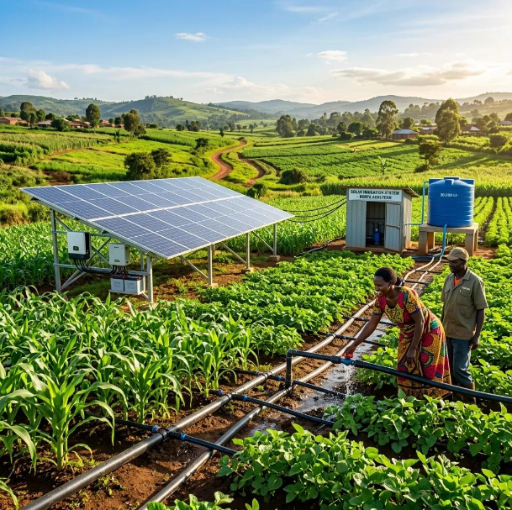
- Five drip irrigation systems to conserve water in agriculture
- Twelve pastoral boreholes for livestock across arid zones
Solar power becomes the backbone of rural adaptation
Replacing diesel pumps with solar-powered systems will cut operating costs by 40%. The initiative also funds energy-efficient storage for perishable harvests, reducing post-harvest losses that currently cost farmers up to 30% of potential income.
Digital tools and local materials: unexpected game-changers
Agritech for climate-smart decisions
The program will roll out a mobile platform providing real-time weather alerts, soil moisture data, and market price updates. Early adopters among cooperatives have reduced input waste by 25% through precision scheduling enabled by the tool.
Promoting sustainable construction with local resources
Instead of importing cement, the PIRRCF promotes compressed earth blocks and stabilized soil bricks. This lowers construction costs by 15% while doubling the lifespan of rural infrastructure compared to traditional materials. Local manufacturers report a 38% increase in orders following project certification.
Transforming livelihoods with quantified targets
The initiative sets ambitious benchmarks by 2031:
- Direct beneficiaries: 31,687 people (including 12,300 women)
- Indirect reach: 1.5 million people across intervention zones
- Agricultural productivity jump: 20% increase
- Income growth for target households: 30% rise
- Employment creation: 5,000 direct and 15,000 indirect jobs
Partners and funding: a shared commitment
The $15.5 million budget pools contributions from the Beninese state, Switzerland, Belgium, and the United Nations Development Programme (UNDP). This pooled financing model reduces bureaucratic delays seen in previous climate funds, with 60% of the first tranche already disbursed to municipal governments.
The acid test: turning plans into tangible change
The project’s ultimate success hinges on three factors:
- Timely delivery of infrastructure: Delays in dam construction have historically derailed similar initiatives by up to 40%.
- Community ownership: Farmers must invest labor in maintenance to ensure long-term viability.
- Transparent oversight: A public dashboard will track spending and project milestones every quarter.
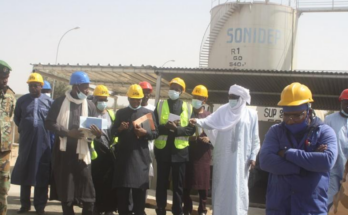
The launch ceremony in Sèmè-Podji drew representatives from all nine municipalities, signaling grassroots buy-in. As one local cooperative chair noted, “We’ve survived droughts before, but never with this level of structured support.”
Beyond 2031: a template for West African resilience
If successful, Benin’s model could be replicated in neighboring countries facing similar challenges. The integration of water, energy, and digital solutions under one program represents a first in the region’s climate adaptation strategies. Stakeholders emphasize that this holistic approach—not just financial pledges—will determine whether rural communities can truly outpace climate-induced degradation.