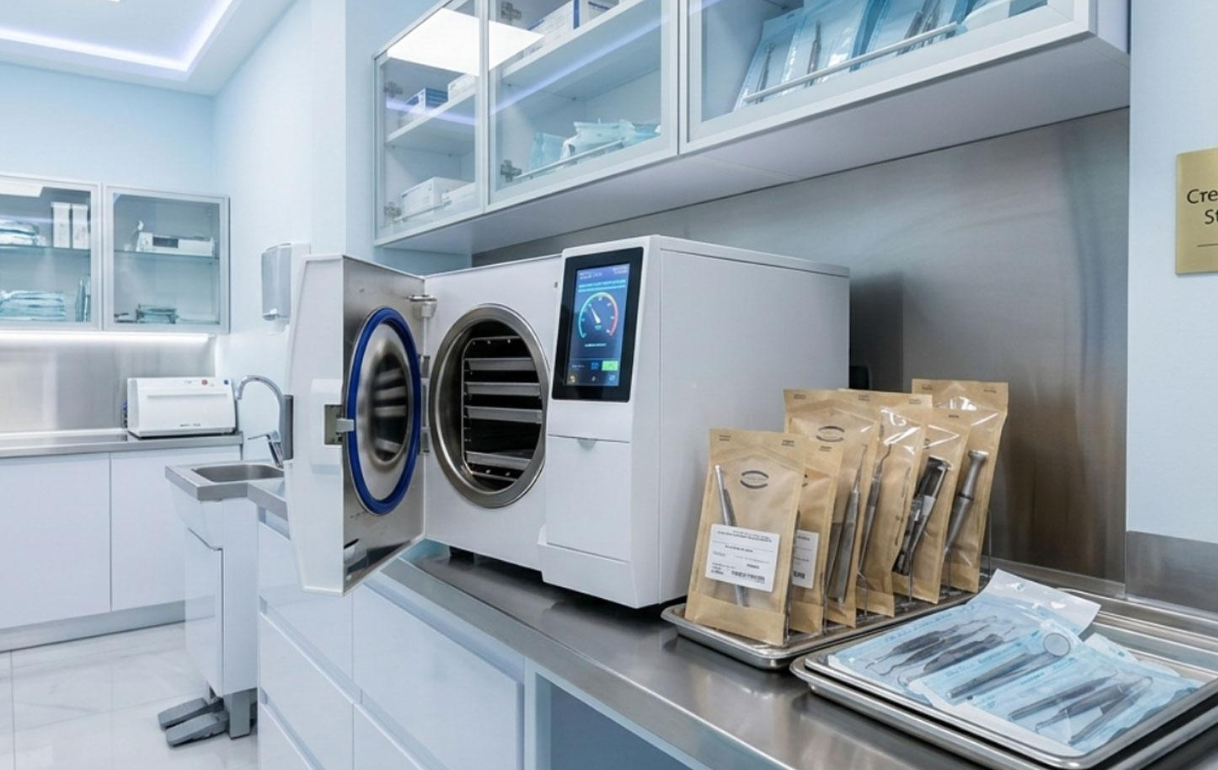
French health authorities have ordered urgent bloodborne virus screenings for nearly 500 patients who underwent dental procedures at a clinic in Orléans earlier this year. The move follows critical failures in instrument sterilization protocols that raised infection control concerns.
Why sterilization failures put dental patients at serious risk
Routine inspections at the Orléans-based dental center revealed multiple breaches in sterilization processes, including the use of a defective autoclave in August despite failed operational tests. Additional issues included improper instrument packaging, inadequate storage conditions, and lapses in record-keeping.
The Regional Health Agency (ARS) Centre-Val de Loire responded by immediately suspending the clinic’s operations and initiating patient outreach efforts to arrange mandatory blood tests for HIV, hepatitis B, and hepatitis C.
Bloodborne pathogens: the invisible danger in improperly sterilized tools
Dental instruments are classified as semi-critical medical devices that require meticulous sterilization between uses to prevent cross-contamination. When sterilization fails, residual blood or tissue may remain on instruments, potentially transmitting viruses such as HIV and hepatitis B/C to subsequent patients.
While health authorities have stated the risk of actual transmission in this case is very low, they emphasize the need for precautionary testing to rule out any possible infection. So far, no confirmed cases of transmission have been reported.
How Africa’s dental clinics address infection control challenges
Though this incident occurred in France, it raises broader questions about infection prevention in African dental settings, where resource constraints and training gaps can pose additional risks. Recent studies from countries including Cameroon have documented significant variability in sterilization practices, with some clinics struggling to maintain adequate infection control standards.
Common challenges include limited access to functioning autoclaves, inconsistent staff training, and insufficient regulatory oversight. Both public and private dental facilities face the same hygiene obligations, and authorities are increasingly calling for standardized training, better equipment maintenance, and regular audits to close these gaps.
Patient safety starts with awareness
While dental professionals bear primary responsibility for sterilization, patients can take proactive steps to protect their health. Before each appointment, individuals should observe whether the practitioner follows basic hygiene protocols: using new gloves for each patient, opening sterile instrument packs in their presence, and ensuring single-use items are discarded appropriately.
A simple question—”How do you sterilize your instruments?”—can reveal important insights into a clinic’s infection control culture. Anyone concerned about potential exposure should seek immediate medical advice about post-exposure prophylaxis, especially if there’s visible blood on instruments or uncertainty about their cleaning history. For HIV exposure, treatment must begin within 48 hours to be effective.
Healthcare quality demands zero tolerance for lapses
The Orléans incident underscores a critical truth: patient safety depends not only on clinical skill or advanced technology, but on rigid adherence to infection prevention standards. In regions like Sub-Saharan Africa, where expanding access to dental care remains a priority, strengthening hygiene infrastructure is non-negotiable.
No patient should leave a dental clinic with anything more than a healthier smile. Proper sterilization is not optional—it’s the foundation of trust between provider and patient and a non-negotiable safeguard against preventable infections.