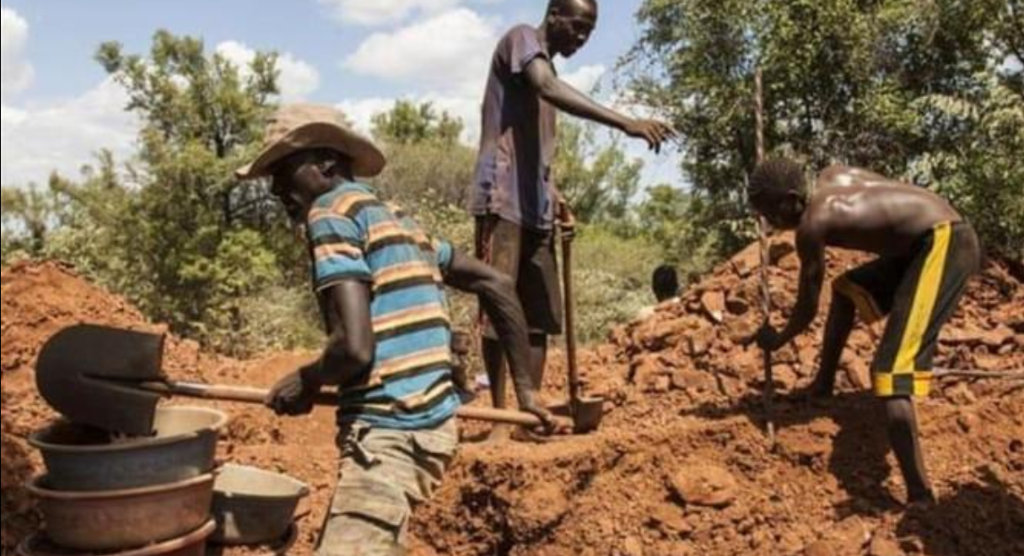
Thousands of Burkinabè gold miners who fled to Guinea in search of safety and livelihood now face a new crisis after being forcibly expelled from the country. Their return to Burkina Faso—haunted by terrorism, economic collapse, and mass displacement—raises urgent questions about their survival and the country’s stability.
From Flight to Forced Return: The Double Crisis of Burkinabè Miners
For many Burkinabè artisanal miners, Guinea was a temporary refuge from the worsening violence in Burkina Faso. The country’s mineral wealth, particularly in regions like Siguiri, offered a lifeline to those displaced by attacks from armed groups and deteriorating security conditions. But what began as an escape from one crisis has now morphed into another: a sudden, unplanned return home with little more than the clothes on their backs.
The expulsion of foreign miners by Guinean authorities has stripped these workers of their primary source of income. Many had relied on artisanal gold mining to support their families, sending remittances back to Burkina Faso. Now, stripped of their livelihoods and facing an uncertain future, their situation highlights the deeper fragility of both nations’ economies and social fabrics.
Returning to Instability: What Awaits Burkinabè Miners in Their Homeland?
The return to Burkina Faso offers no guarantee of safety or economic security. For some, their villages remain under the threat of armed attacks, with homes and farmlands abandoned or destroyed. Others may end up in overcrowded displacement camps or urban centers, where access to food, shelter, and healthcare is already strained. The arrival of these returning miners could exacerbate existing humanitarian pressures in already fragile communities.
The loss of income, coupled with the psychological toll of displacement and failed migration, places these miners at heightened risk of poverty and desperation. Without immediate intervention, their situation could worsen, turning a humanitarian issue into a broader security concern.
Could Economic Desperation Fuel Further Instability?
In regions plagued by prolonged conflict, economic hardship often becomes a breeding ground for recruitment by armed groups. While poverty does not automatically lead to extremism, the absence of opportunities and the collapse of social structures can make individuals more vulnerable to exploitation. Frustration, lack of access to justice, and a sense of abandonment by the state may push some miners toward risky alternatives—including joining armed factions—in search of income or protection.
This risk is particularly acute for young men with no education, marketable skills, or family support. While the majority will likely resist such temptations, the potential for a small but significant number to be swayed by recruitment efforts cannot be ignored. The consequences of such a shift could ripple through communities already struggling under the weight of displacement and insecurity.
Reimagining Repatriation: From Exile Back to a Future in the Making
The forced return of these miners is not just a logistical challenge—it is a call for urgent action. Burkina Faso’s government must move beyond mere repatriation and invest in sustainable reintegration programs. This includes identifying returnees, assessing their needs, and providing targeted support such as cash assistance, job training, and access to basic services. Partnerships with humanitarian organizations and development agencies could help bridge the gap between immediate relief and long-term recovery.
Diplomatic efforts are also critical. Burkina Faso must engage with Guinea to ensure the repatriation process adheres to human rights standards, minimizing further hardship for those affected. A bilateral approach that prioritizes dignity and transparency could prevent the current crisis from escalating into a larger dispute over migration and resource governance.
Beyond the Return: Rebuilding Lives in a Fractured Nation
The expulsion of Burkinabè miners from Guinea exposes a harsh reality: their forced return is not the end of their struggle, but merely a new chapter in a prolonged crisis. The question now is whether Burkina Faso’s institutions, civil society, and development partners can rise to the occasion. Will these returnees be welcomed back as victims of circumstance, or will they be abandoned to fend for themselves in a country already overwhelmed by conflict and economic ruin?
The stakes are high. Ignoring this crisis risks deepening poverty, fueling instability, and eroding trust in the state’s ability to protect its citizens. But with decisive action—through immediate relief, long-term economic opportunities, and inclusive governance—the return of these miners could mark the beginning of a brighter chapter rather than a descent into further despair.