Benin has achieved a remarkable 8.2% growth in real GDP during the first half of 2026, marking a pivotal moment in its economic trajectory. This performance, confirmed by an International Monetary Fund (IMF) assessment, underscores the country’s accelerating industrialization efforts and its transition from raw material exports to value-added production.
Economic momentum driven by industrial strategy
The 8.2% growth rate, recorded in year-on-year terms, reflects Benin’s strategic pivot toward industrial development. This shift is not merely statistical—it represents a deliberate government-led transformation aimed at deepening local processing of raw materials and expanding the manufacturing sector’s contribution to national wealth.
By prioritizing domestic production, Benin seeks to retain a larger share of economic value from its agricultural and natural resources. This approach aligns with broader goals of economic diversification, job creation, and reducing reliance on volatile commodity markets.
Key drivers of Benin’s economic surge
- Industrialization push: Government initiatives focus on developing local industries to process raw materials such as cotton, thereby increasing export competitiveness.
- Infrastructure development: Investments in industrial parks, logistics networks, and business environment improvements are laying the groundwork for sustainable growth.
- Human capital enhancement: Vocational training programs are equipping the workforce with skills aligned with emerging industrial demands.
Glo-Djigbé Industrial Zone: A flagship project
The Glo-Djigbé Industrial Zone (GDIZ) stands as a testament to Benin’s industrial ambitions. Designed to anchor value chains around local resources, GDIZ aims to transform agricultural products and raw materials into finished goods for both domestic and international markets.
This initiative is critical for Benin’s long-term economic strategy. By processing cotton and other commodities locally, the country can move up the value chain, reduce reliance on raw material exports, and enhance its trade balance. The zone also serves as a magnet for foreign and domestic investment, fostering industrial clusters and ancillary services.
Export diversification: Targeting global markets
Benin’s industrial growth is intertwined with its export ambitions. The government is actively positioning locally manufactured goods in high-value markets, including Europe, China, and the United States. Success in these regions would unlock new revenue streams, strengthen foreign exchange reserves, and elevate Benin’s profile in global trade.
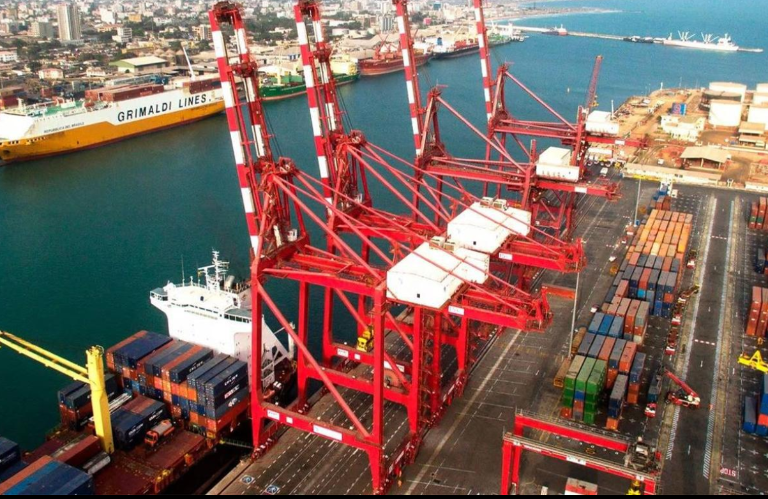
To capitalize on this opportunity, Benin must continue improving product quality, adhering to international standards, and enhancing logistics infrastructure. Port expansions, road networks, and customs efficiency are all vital to meeting global buyer expectations.
Challenges on the path to sustained growth
Despite the positive outlook, Benin faces risks that could undermine its economic momentum. Fluctuating commodity prices, regional security concerns, and climate-related disruptions remain persistent threats. Addressing these challenges will require:
- Sustained investment in productive sectors to maintain industrial momentum.
- Strengthening vocational training to align skills with industrial needs.
- Supporting local businesses to ensure inclusive growth and job creation.
The ultimate test for Benin’s industrial strategy will be its ability to translate economic growth into tangible benefits for its citizens—higher incomes, better employment opportunities, and improved living standards, particularly for the youth.
Redefining Benin’s economic future
With 8.2% growth in the first half of 2026, Benin is not just achieving economic milestones—it is redefining its development model. By shifting from a reliance on raw material exports to a diversified, industrialized economy, the country is laying the foundation for long-term prosperity.
The path forward demands discipline in policy execution, continued investment in infrastructure, and a commitment to building a competitive industrial base. If successful, Benin could emerge as a model of economic transformation in West Africa, demonstrating how strategic industrialization can drive sustainable growth and reduce poverty.