Hackers claim to have uncovered hidden Russian military fatalities in Ukraine
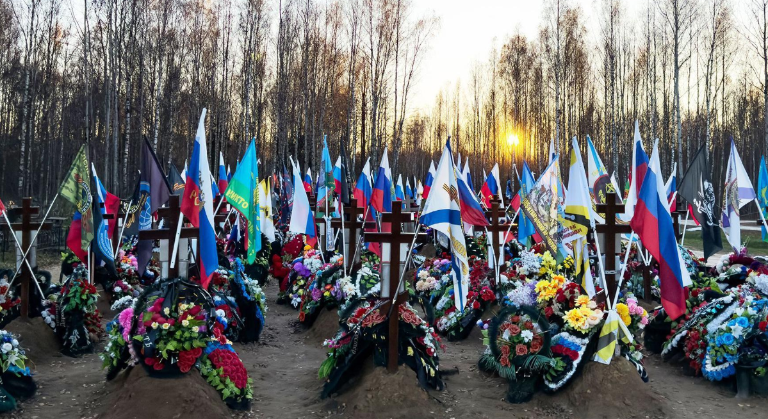
Cybersecurity groups have disclosed what they describe as classified data from Russia’s Federal State Statistics Service (Rosstat), including death certificates indicating over 412,000 Russian soldiers killed since the invasion of Ukraine in February 2022. The revelation, if verified, would dramatically exceed Moscow’s officially reported casualty figures and raise serious questions about the true human cost of the war.
Cyberattack on Rosstat sparks unprecedented disclosures
The disclosed documents were allegedly extracted from Rosstat’s digital infrastructure by hacker collectives Silent Crow and Cyberpartisans, both based in Belarus. Among the leaked files are administrative records and military-related data, including death certificates that appear to quantify Russian military fatalities during the conflict.
Rosstat has acknowledged being targeted by cyberattacks but denies that sensitive data was compromised or leaked. The conflicting statements have fueled uncertainty about the authenticity and scope of the exposed files, pending independent verification.
Moscow’s official silence contrasts with leaked data
Since the onset of the invasion, the Kremlin has maintained strict secrecy regarding military losses. In September 2022, Russia reported 5,937 fatalities. Since then, no updated official death toll has been released, leaving the actual numbers shrouded in ambiguity.
The discrepancy between Moscow’s limited disclosures and the leaked figures—if confirmed—could reshape public perception of the war’s human toll. Independent investigations and Western intelligence assessments have long suggested far higher casualty numbers than those admitted by Russian authorities.
Understanding the scope of the alleged death toll
The figure of 412,576 deaths raises critical questions. Do it include combat fatalities only, or also soldiers who died from injuries sustained in battle? Are missing troops presumed dead accounted for? Could non-combat deaths related to the conflict also be included?
Clarifying these distinctions is essential to assess the accuracy and completeness of the data. Without definitive answers, the number remains a provisional estimate until subjected to thorough external analysis.
Russia’s demographic and social ripple effects
The war’s impact extends far beyond the battlefield. The loss of over 400,000 young men—many of them in their prime working years—has begun to strain regional economies, particularly in Siberia and Russia’s Far East, where recruitment has been heavy.
Families face profound emotional and financial burdens. Many lack official recognition of their loved ones’ deaths, compounding grief with bureaucratic invisibility. The societal scars of the conflict may persist long after the guns fall silent.
Next steps: verifying the leaked documents
Independent verification remains crucial. The leaked files may have been curated, interpreted, or aggregated differently than standard military records. Their reliability hinges on provenance, cross-referencing, and consistency with other data sources.
Yet one fact remains undeniable: since February 2022, the war has exacted a devastating human cost on both sides. For Russia, the absence of a credible, transparent death toll fuels speculation, distrust, and broader societal tension.
If these documents prove accurate, they could mark one of the most significant revelations about Russian military losses since the war began—underscoring a grim reality often obscured behind political narratives and geopolitical ambitions.