Cameroon’s opposition party urges constitutional clarity over prolonged presidential absence
Cameroon’s political landscape remains tense as the absence of President Paul Biya enters its sixth week, prompting the country’s opposition Union for Democracy and Progress (UDC) to call for urgent institutional reforms. The president, who departed for a private visit to Europe on June 7, 2026, has not provided any public updates since his departure, leaving both citizens and institutions in the dark.
Following his departure, the civil cabinet issued an official statement confirming his absence but offered no further details about his whereabouts or activities. While reports suggest he is currently in Switzerland, no official confirmation has been made, fueling speculation among the public. The lack of transparency has raised concerns about the continuity of governance, especially as Cameroon faces critical political developments.
Opposition party raises concerns over institutional stability
The UDC, led by Patricia Tomaino Ndam Njoya, has been vocal about the need for clearer mechanisms to address presidential absences. In a statement, the party highlighted the risks of institutional paralysis and called for the appointment of a vice-president—a position now vacant following constitutional revisions in April 2026. The UDC argues that the current situation underscores the necessity of defining precise rules for managing prolonged presidential absences, including regular updates to the nation and Parliament.
The party also stressed the importance of establishing an impartial procedure to determine temporary or permanent incapacitation, warning that delays could lead to severe institutional bottlenecks. Additionally, the UDC has called for the publication of explicit delegations of presidential powers when continuity demands it, ensuring that governance remains uninterrupted.
Public unrest and political uncertainty grow
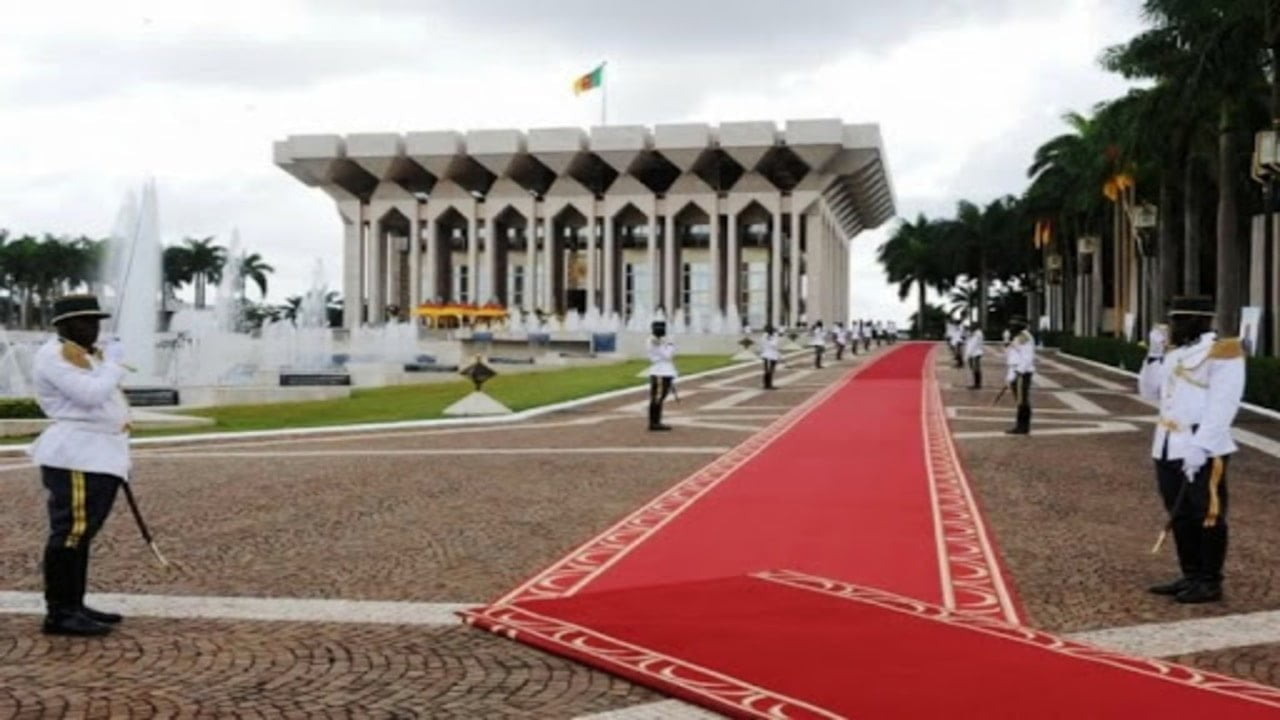
Public frustration over the president’s absence has manifested in unconventional ways. Supporters of the so-called Brigade Anti Sardinard staged a demonstration outside the presidential residence, demanding Biya’s immediate return. The timing of his absence is particularly sensitive, coinciding with the aftermath of a contentious presidential election and the beginning of his eighth term in office.
The president had pledged to form a new government to implement his policy agenda, but more than six months later, no such team has been announced. The constitutional amendment of April 2024, which introduced the vice-presidential position, remains unimplemented, leaving a critical leadership gap. Adding to the concerns, unverified presidential decrees circulated on state media raised fears of a potential institutional crisis, further destabilizing the political climate.
With legislative and municipal elections approaching, political parties are already positioning themselves for the upcoming polls. Even the ruling party, the Cameroon People’s Democratic Movement (RDPC), has scheduled a statutory meeting for July 21, 2026, in the absence of its leader, reflecting the broader uncertainty gripping the nation.