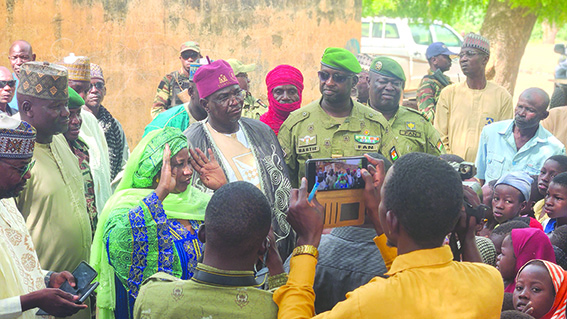
In the face of escalating insecurity and terrorist threats plaguing communities across Niger, a wave of collaborative efforts is emerging to forge lasting solutions. At the heart of this movement lies a renewed emphasis on inclusive dialogue as a cornerstone for strengthening social cohesion and countering extremism. This grassroots-driven approach recognizes that peace is not the sole responsibility of the state but a collective endeavor requiring the participation of all societal groups.
Voices from the frontlines: hope amid challenges
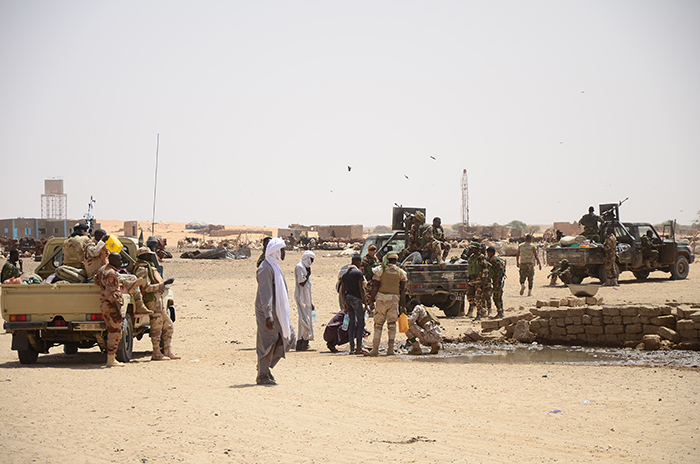
The security situation remains a pressing concern in several Nigerien localities. Despite significant state efforts, communities in affected areas continue to face daunting challenges. In towns like Tera, Makolondi, and Torodi, residents acknowledge the tireless work of defense and security forces in restoring stability. Their presence is vital for daily activities and safe movement—without it, communities struggle to thrive.
Seydou Hamidou, a youth leader from the rural commune of Makalondi in Torodi, shared harrowing experiences during a recent peace forum in Niamey. He highlighted how young people in his community are vulnerable to forced recruitment by armed groups, school dropouts, and unemployment. « Without security, our youth are left with no choice but to abandon their homes in search of opportunities elsewhere, » he explained. « Terrorists exploit this desperation by imposing illegal taxes, stealing livestock, and disrupting our livelihoods. »
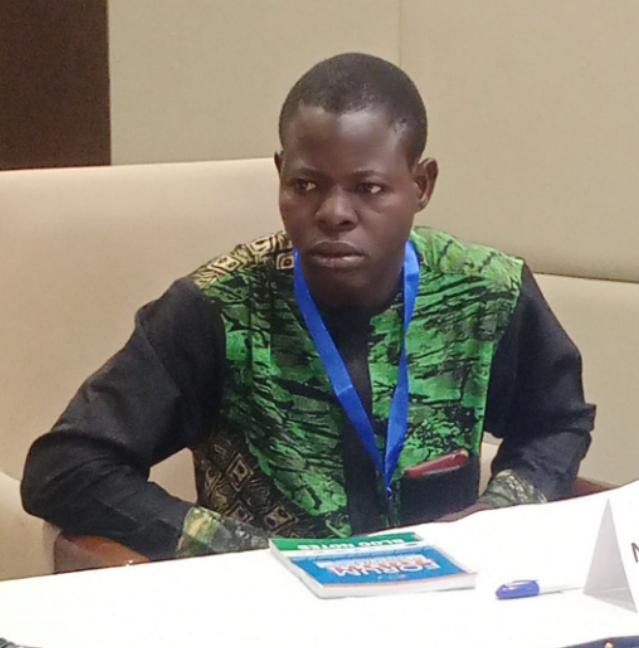
Victor Harouna, a resident of Téra who also attended the forum, described the financial burden imposed by insecurity. « Transport costs have skyrocketed, » he noted. « What once cost 3,000 CFA francs now demands up to 15,000. Crops are frequently sabotaged, and displaced families face immense hardship, though some have returned home thanks to military interventions. »
Women, too, bear the brunt of this crisis. Amina, a community leader from Torodi, painted a grim picture of their struggles. « Women are often left widowed or caring for children unable to attend school. Many flee to urban centers but struggle to meet basic needs, » she said. « Their pleas for enhanced military presence and protection must not go unheard. »
State-led resilience: rebuilding trust and restoring hope
The government’s commitment to peace and security is evident in its multi-pronged approach. Prefect Boureima Dobi of Torodi highlighted initiatives to reintegrate displaced populations. « Over 800 families have returned to Makalondi, » he reported. « A second wave of returns is being organized to reunite more communities with their homes. »
Underlining the importance of vigilance, Prefect Dobi cautioned against local complicity with terrorists, a challenge that complicates identifying threats. « Some have already surrendered weapons and reintegrated, » he noted. « We are intensifying awareness campaigns to foster patriotism and collective responsibility. »
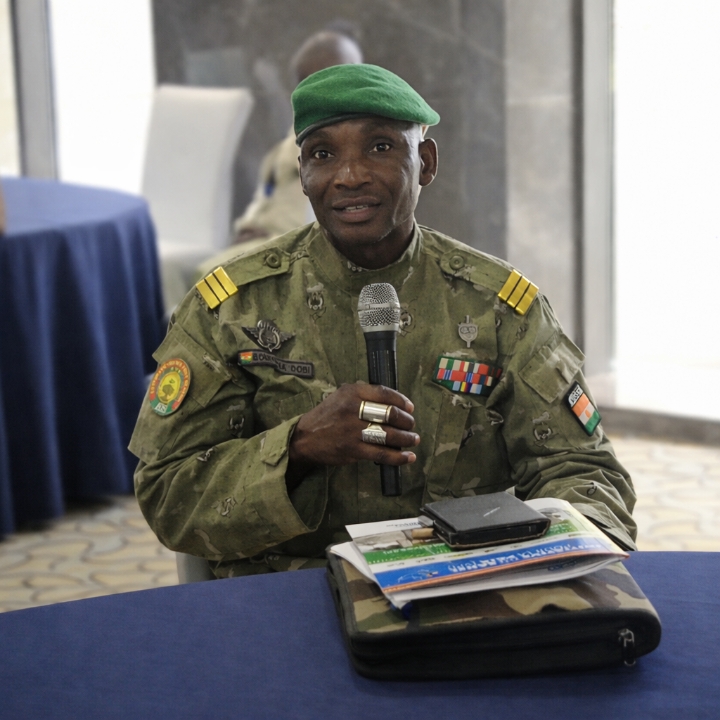
The High Authority for Peace Consolidation (HACP), under the presidency, plays a pivotal role in this framework. Boubacar Hamidou, Director of Recovery and Stabilization at HACP, emphasized their focus on empowering local leaders, youth, and women through conflict prevention and capacity-building initiatives. « We prioritize restoring trust between citizens and institutions, » he stated. « Development projects are being implemented in collaboration with local councils to rebuild resilience. »
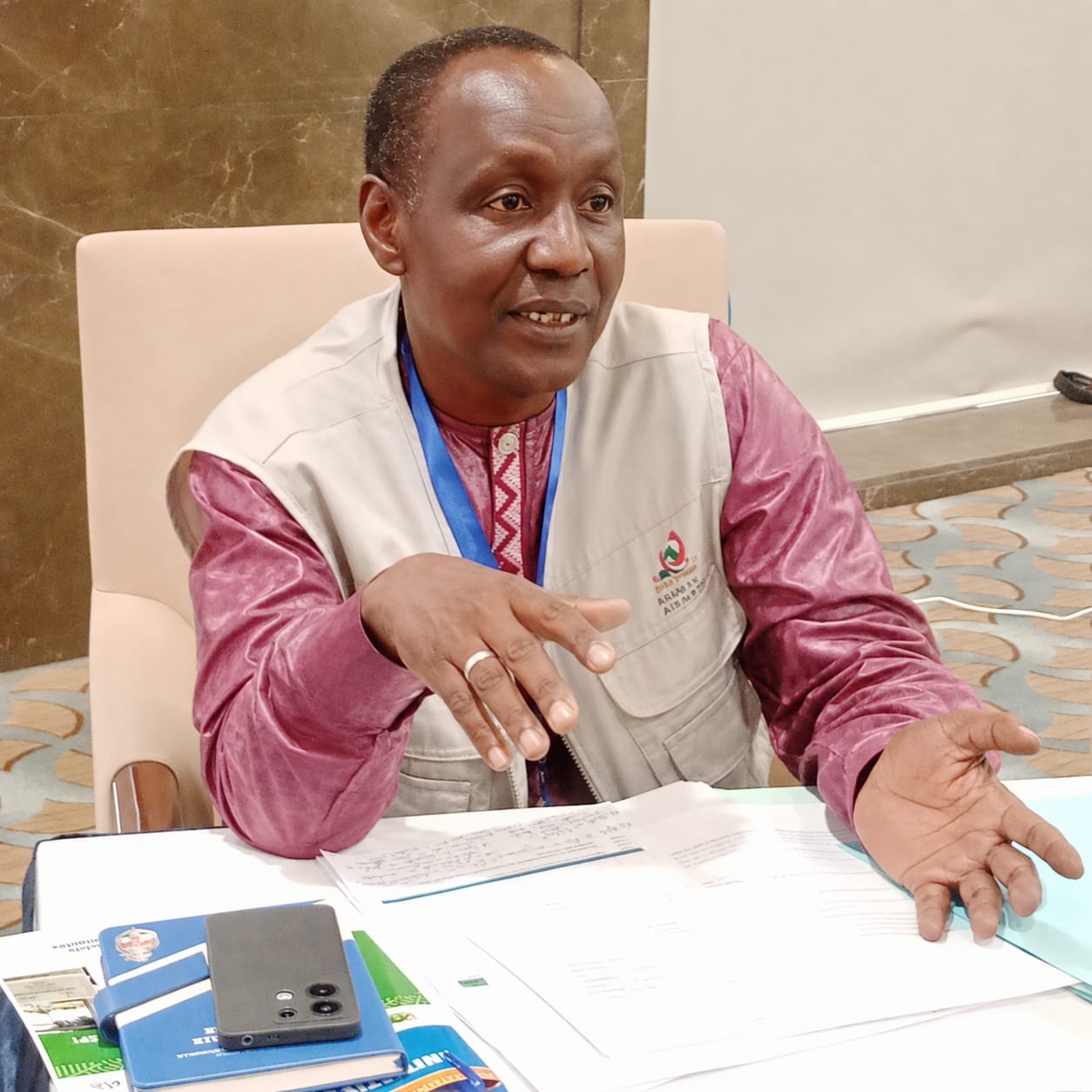
The Sahel Peace Initiative (SPI): a regional commitment to unity
The Sahel Peace Initiative (SPI), launched in 2019 by West African Episcopal Conferences and partners like CJP Burkina, unites Christian and Muslim communities across the Sahel—including Niger—to promote peace, interfaith dialogue, and social cohesion. During its June 2026 forum in Niamey, Archbishop Laurent Lompo of Niamey urged communities to embrace dialogue as a tool for peace. « Regular community and intergenerational meetings are essential, » he stated. « They bring together men, women, and youth to address peace and security challenges collectively. »
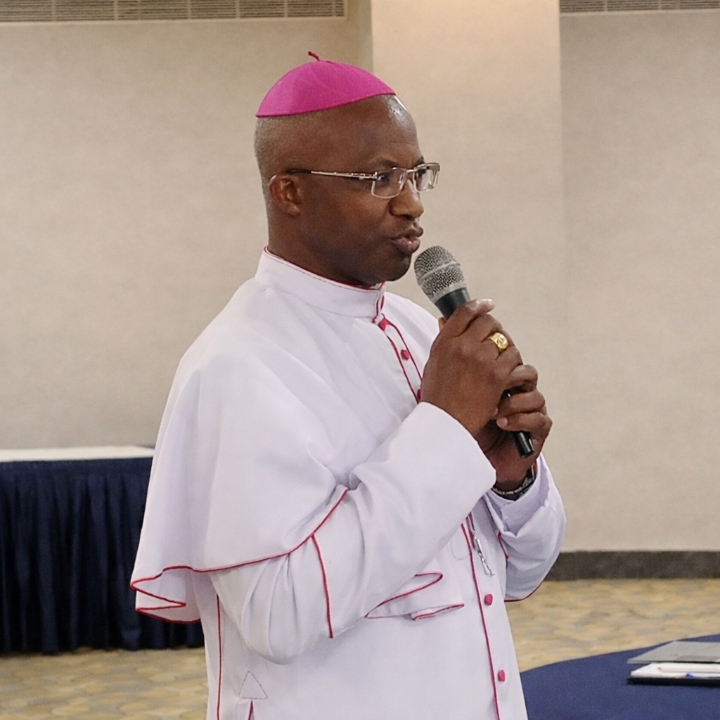
The SPI’s strategic priorities include strengthening peace actors, fostering youth employment, peace education, social inclusion, digital innovation for peace, and psychosocial support. The Niamey forum culminated in actionable recommendations to reinforce coexistence and stability in Niger.
Religious leaders stepping up for peace and social cohesion
Religious leaders hold a unique position in Niger’s quest for peace, given the exploitation of faith by extremist groups. The National Committee for Intra- and Interreligious Dialogue (CDIR) was established to counter rising extremism and promote coexistence rooted in shared values. « Our mission is to dismantle hate speech and prevent religious tensions that fuel insecurity, » explained Cheikh Barham Aboubacar, CDIR’s national coordinator. « We resolve conflicts through dialogue, fostering mutual understanding and addressing misunderstandings that could spark violence. »
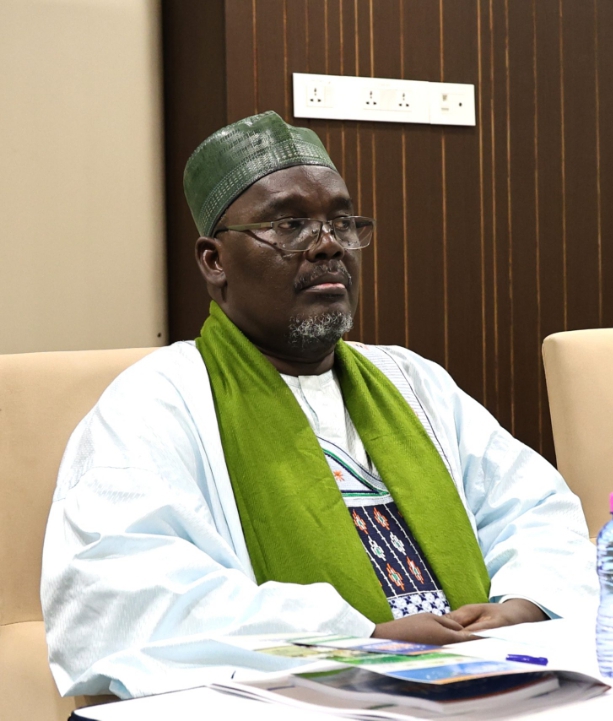
The CDIR’s grassroots approach includes decentralized peace committees, local cells, and communal initiatives that address intercommunal and land disputes often exacerbated by religious narratives. « Dialogue clarifies misconceptions and prevents religiously motivated conflicts, » Cheikh Barham emphasized. « It is our duty to engage with authorities to preserve national unity amid sociopolitical challenges. »
Community media: the power of information in crisis
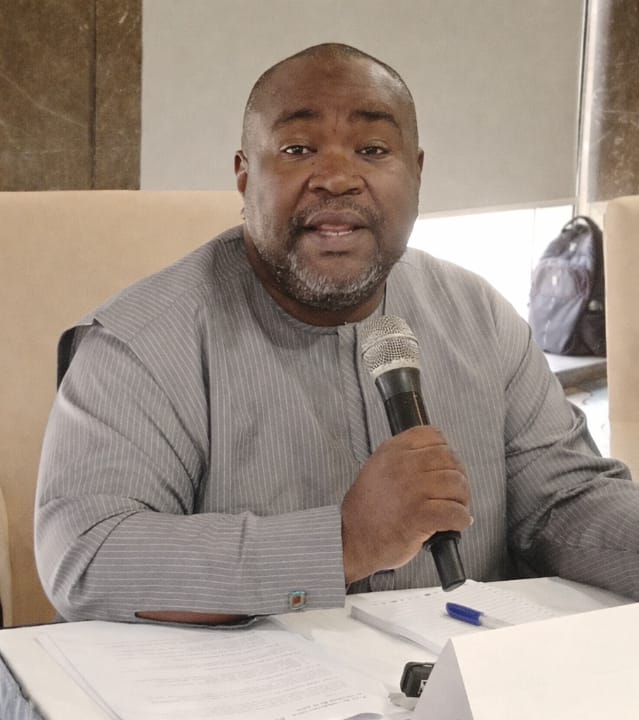
In times of insecurity, accurate and timely information is a lifeline for communities. Community media—especially local radio—plays a critical role in countering misinformation, debunking rumors, and fostering trust. Alhassane Mahamane, Editor-in-Chief at Studio Kalangou, underscored the transformative potential of community radio. « These platforms give a voice to the voiceless and educate citizens on peace and development priorities, » he said. « Their impact on local resilience cannot be overstated. »
Women as architects of peace and progress
Women are increasingly recognized as vital agents of change in Niger’s peacebuilding efforts. Amina Boukary, Partnership Coordinator for the NGO Femmes, Actions et Développement (FAD), highlighted their contributions through networks and associations that drive community development. « Women generate income, educate children, and strengthen social cohesion, » she said. « But to maximize their impact, we must invest in their leadership and participation in decision-making. »
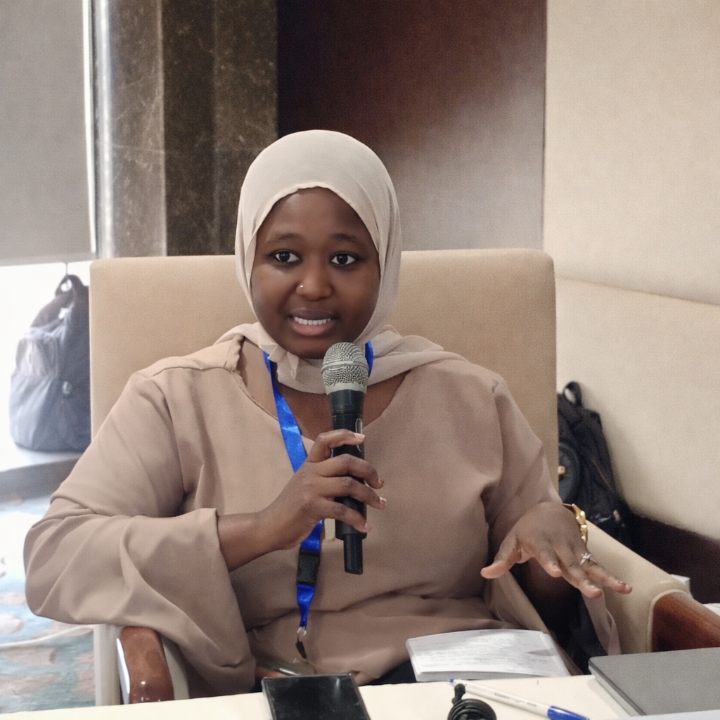
To fully harness women’s potential, she stressed the need for continuous sensitization, girls’ education, and their inclusion in local governance. « Half of Niger’s population are women, » she noted. « Their realities and aspirations must shape our peace and development strategies. »
As Niger navigates these turbulent times, the synergy between dialogue, resilience, and collective action offers a beacon of hope. From state-led initiatives to grassroots movements, every effort is a step toward a stable, cohesive, and prosperous Niger.