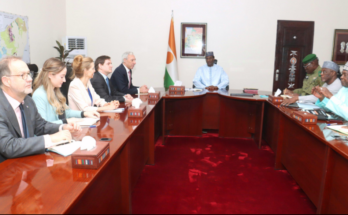
The Coalition Article 64, a group advocating for constitutional order in the Democratic Republic of Congo, concluded a visit to Bujumbura on July 9, 2026, following a meeting with Burundian President Évariste Ndayishimiye.
Criticized for allegedly compromising their principles to align with President Félix Tshisekedi’s government, the coalition’s leaders clarified that they had not requested the meeting. Instead, they stated that Ndayishimiye, in his capacity as African Union chairperson, had extended the invitation. In response to the Burundian president’s call for political dialogue and national unity, the group expressed cautious support—provided critical conditions were met.
Key demands for genuine political dialogue
The coalition’s leaders emphasized that any meaningful dialogue must begin with an unequivocal public rejection of the constitutional amendment project, the release of all political detainees, the halt of politically motivated prosecutions, and the restoration of fundamental freedoms. While open to discussions, they stressed that certain principles were non-negotiable, including:
- Respect for the Constitution — a cornerstone of their advocacy.
- Upholding the rule of law — ensuring institutions function within legal boundaries.
- Preserving Congolese sovereignty — prioritizing the will of the people over external or political pressures.
They argued that previous peace processes failed because they overlooked the political roots of the crisis, leading to today’s impasse in the Democratic Republic of Congo.
A march for constitutional order
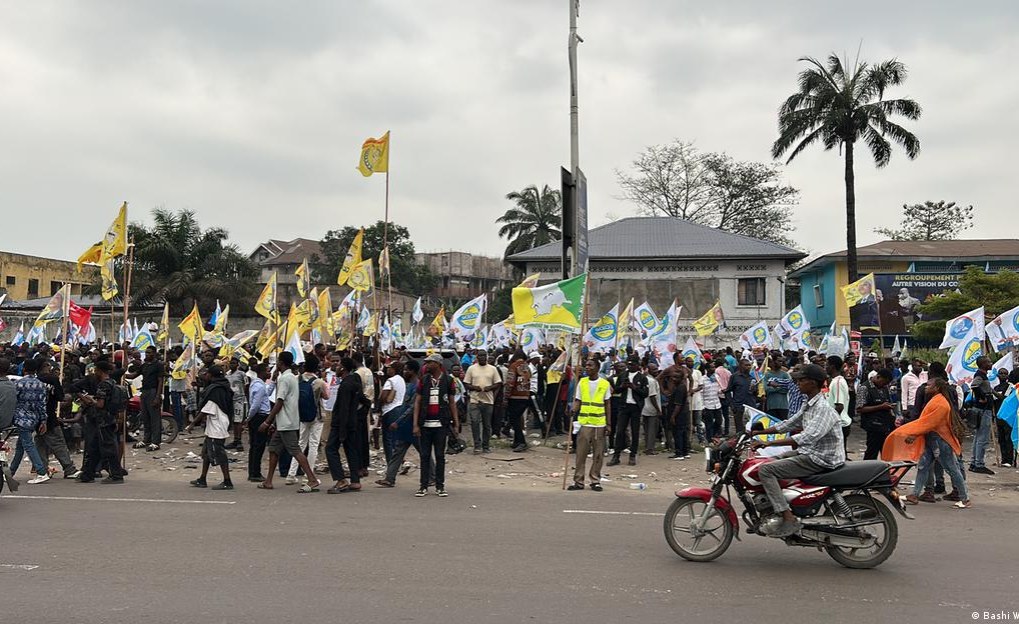
The coalition’s stance on the constitutional amendment project—widely seen as a major political crisis amid ongoing conflict and territorial occupation—remains firm. They reaffirmed their opposition to any constitutional changes, demanding strict adherence to institutional order. These demands will take center stage during their planned peaceful march to the Palais de la Nation on July 22, where they will call for President Tshisekedi’s resignation. The leaders allege he has violated his constitutional oath, further deepening the crisis.