Senegal homosexuality debate sparks controversy
A recent television feature examining the lives of LGBTQ+ individuals in Senegal has ignited fierce debate, with critics accusing the coverage of misrepresentation and bias. The program’s portrayal of discrimination and violence has drawn sharp reactions, raising questions about media ethics and the realities faced by sexual minorities in the country.
A primetime broadcast highlighted claims of widespread hostility toward LGBTQ+ individuals in Senegal, including a controversial assertion that some citizens believe killing homosexuals guarantees entry to paradise. The anonymous testimony, central to the segment, has become a focal point of contention, with many questioning its authenticity.
Public outcry and legal disputes
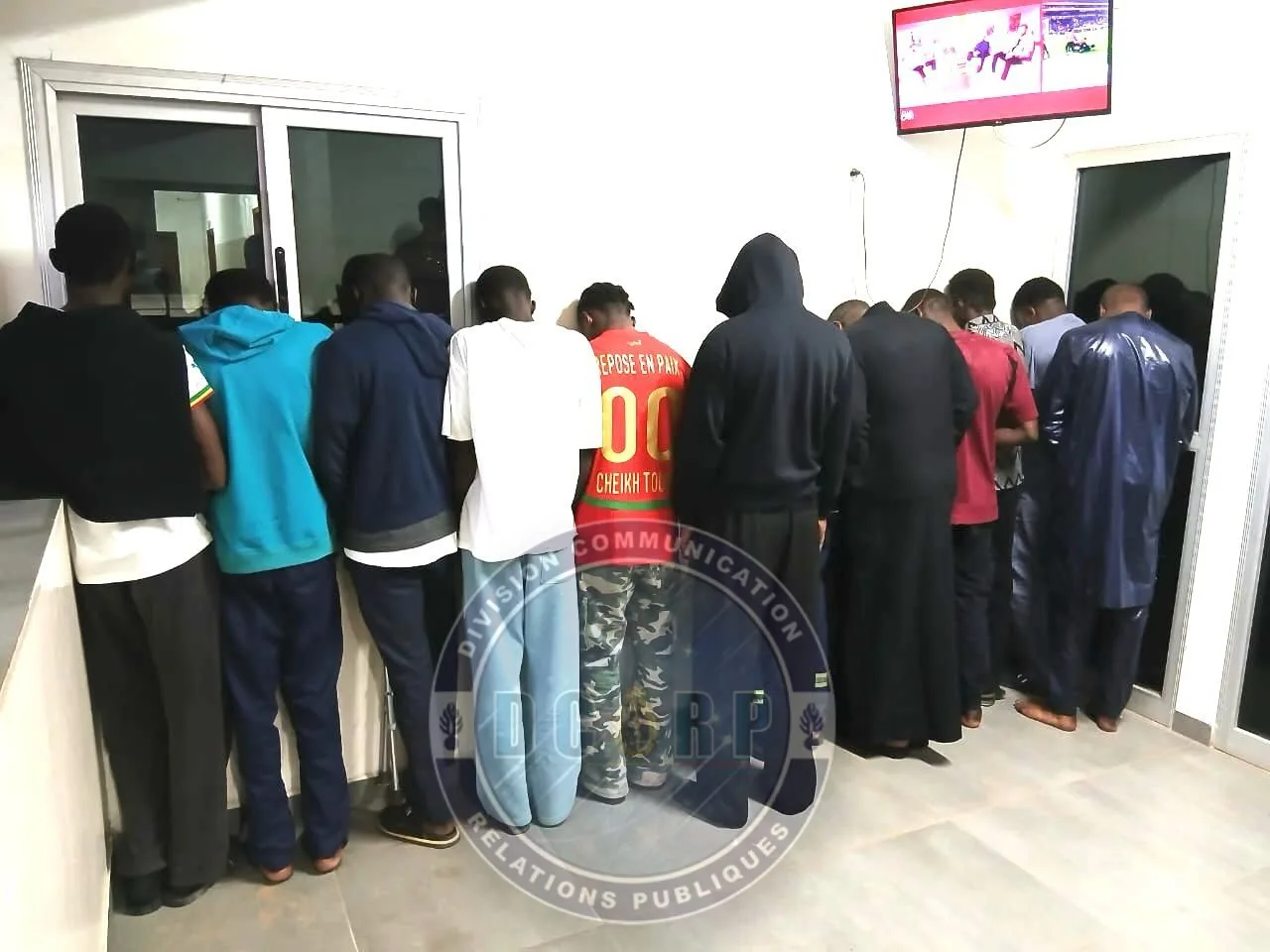
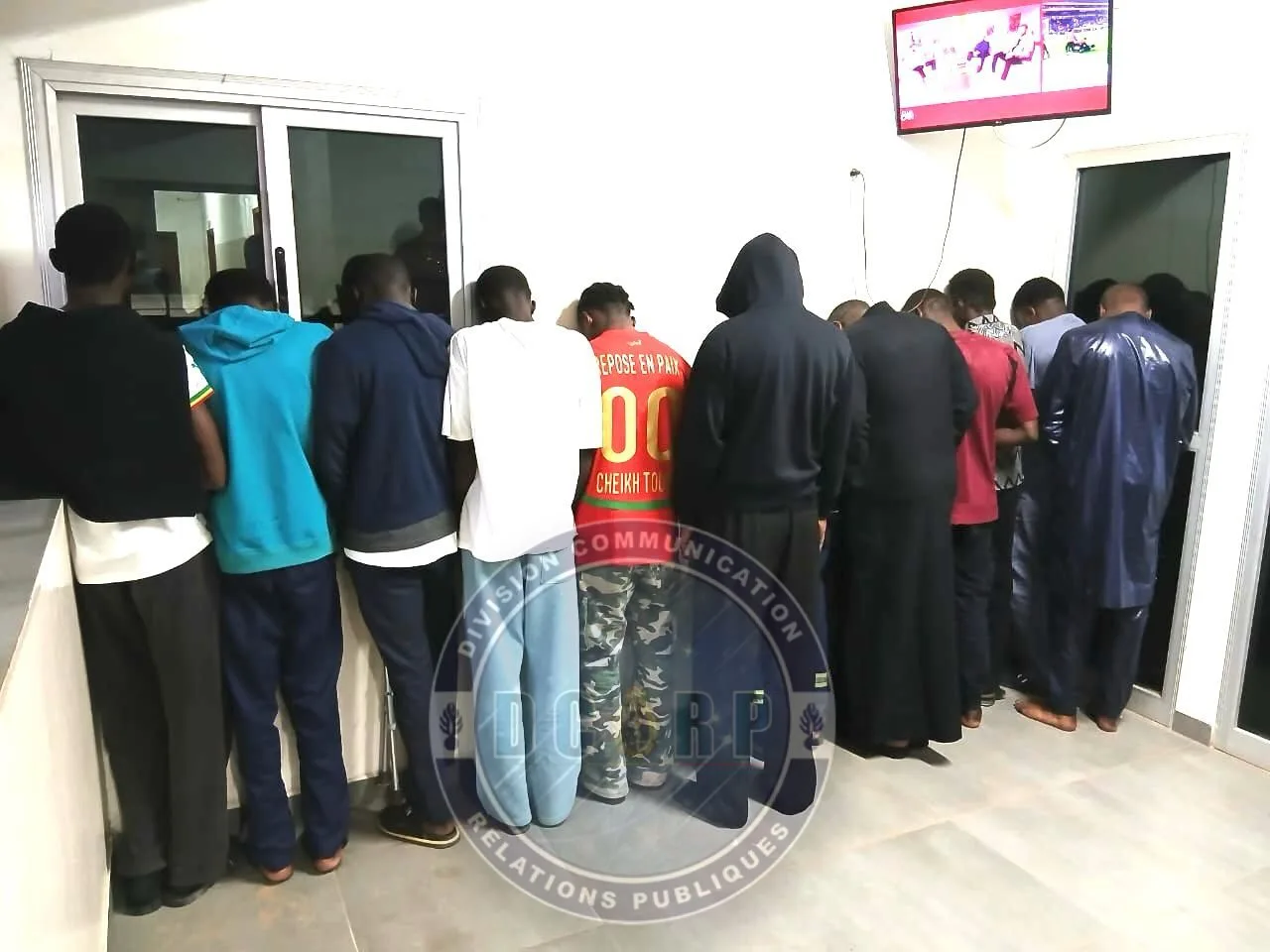
The program’s portrayal of legal proceedings in Senegal has also drawn criticism. Viewers and commentators argue that the coverage oversimplifies the reasons behind recent arrests, suggesting they are solely motivated by sexual orientation. However, officials note that the charges in question relate to the alleged deliberate transmission of HIV/AIDS—a separate offense under Senegalese law.
Health experts interviewed in the report, including representatives from the National AIDS Control Center, were not asked to address the issue of intentional transmission, further fueling accusations of one-sided reporting. Critics contend that the documentary presents a skewed narrative that overlooks key legal and medical facts.
Social media erupts in disagreement
Public reaction has been swift and divided. Some social media users have dismissed the claims as fabricated, arguing that Senegal’s cultural and religious values do not condone such extreme views. Others, while acknowledging societal tensions, insist that the report misrepresents the broader context of LGBTQ+ issues in the country. The debate has highlighted deep divisions over how such sensitive topics should be covered by international media.