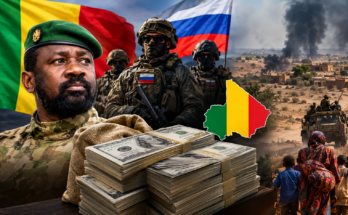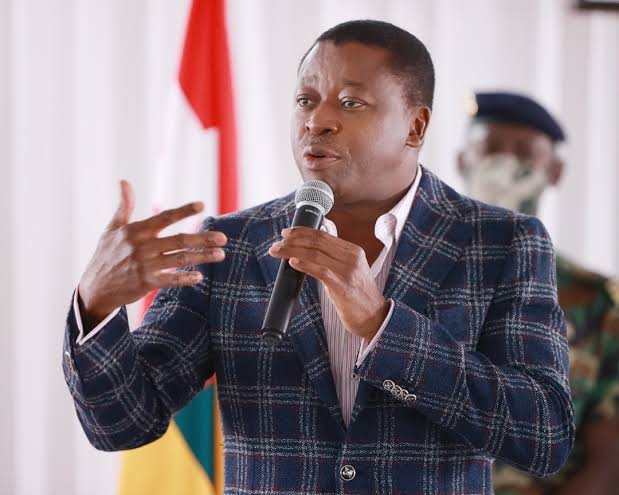
In the northern reaches of Togo, a discreet but intense geopolitical contest is taking shape. Security indicators show that over 300 operatives from the Russian African Corps the successor entity to the Wagner Group are currently active within the country. Concurrently, Turkey is expanding its security footprint in the region, notably through entities linked to the private military company SADAT.
This dual presence marks a significant transition in the defense strategy of Togo, moving from traditional bilateral cooperation toward becoming a contested arena for competing international powers.
A quiet battle for influence in northern Togo
While Moscow and Ankara frame their involvement as support for counter-terrorism efforts and regional stabilization, the underlying struggle is one of strategic leverage. Access to key decision-makers, lucrative contracts, intelligence sharing, and military training programs represent significant assets in this competition. The primary concern is not merely who is assisting Togo, but rather who is gaining long-term influence, at what cost, and with what level of accountability to the Togolese people.
The risk of marginalising the national armed forces
This influx of external security actors raises critical questions regarding the role of the Togolese Armed Forces. Togo possesses a structured military with experienced officers trained in reputable international institutions. Therefore, the increasing reliance on foreign security entities cannot be explained by a lack of national capacity.
Instead, it reflects a deliberate political strategy that carries substantial risks. Entrusting core defense responsibilities to foreign actors can foster a deep dependency, allowing external partners to influence military doctrine, intelligence networks, and strategic decision-making.
An opaque strategy of outsourced security
True sovereignty relies on the independent capacity to formulate defense policies. When a state diversifies its partnerships, transparency and democratic oversight must remain paramount. However, the details of these agreements with foreign private military companies remain shielded from the public.
Important questions regarding contract durations, financial costs, operational command chains, and legal jurisdictions in the event of civilian incidents remain unanswered, particularly in sensitive northern zones where local populations are vulnerable.
Addressing the threat of armed groups without neglecting development
The threat posed by armed groups, particularly the Group for the Support of Islam and Muslims (JNIM), is a pressing concern in northern Togo. These groups exploit porous borders and socio-economic vulnerabilities. However, counter-terrorism operations should not serve as a blank check for unchecked security policies.
Addressing the cross-border threat requires a balanced approach that integrates intelligence and border surveillance with regional cooperation, professional military training, and targeted economic development. A heavily militarized border remains vulnerable if surrounded by systemic poverty and institutional abandonment.
The high financial cost of foreign alliances
The financial implications of these foreign defense arrangements represent a significant blind spot. Maintaining international security personnel, acquiring advanced hardware, and securing logistical support require substantial public resources. Because these expenditures are classified under national security, they bypass standard parliamentary and public scrutiny.
The Togolese public deserves to know how state funds are allocated and whether these high-cost partnerships translate into tangible improvements in their daily safety.
Democratic compression under the pretext of state security
Alongside these defense changes, the political environment in Togo has grown increasingly restrictive. Recent institutional and constitutional changes have sparked intense debate over the concentration of executive power and the erosion of democratic representation. This expanding security apparatus risks further shrinking the civic space. When dissent is systematically treated as a threat to national stability, the distinction between political opposition and national security threats becomes dangerously blurred.
Sovereignty means serving the citizens
The fundamental purpose of a national army is to defend the territory and protect citizens, rather than to secure a political regime. If foreign security elements are utilized primarily to maintain the political status quo, the building of a resilient national defense structure is undermined.
While Togo occupies a strategic position in the Gulf of Guinea, its foreign policy must remain aligned with the welfare of its population. The true measure of sovereignty is not the quantity of foreign powers operating within a country’s borders, but the ability of its public institutions to address the fundamental needs of its citizens.